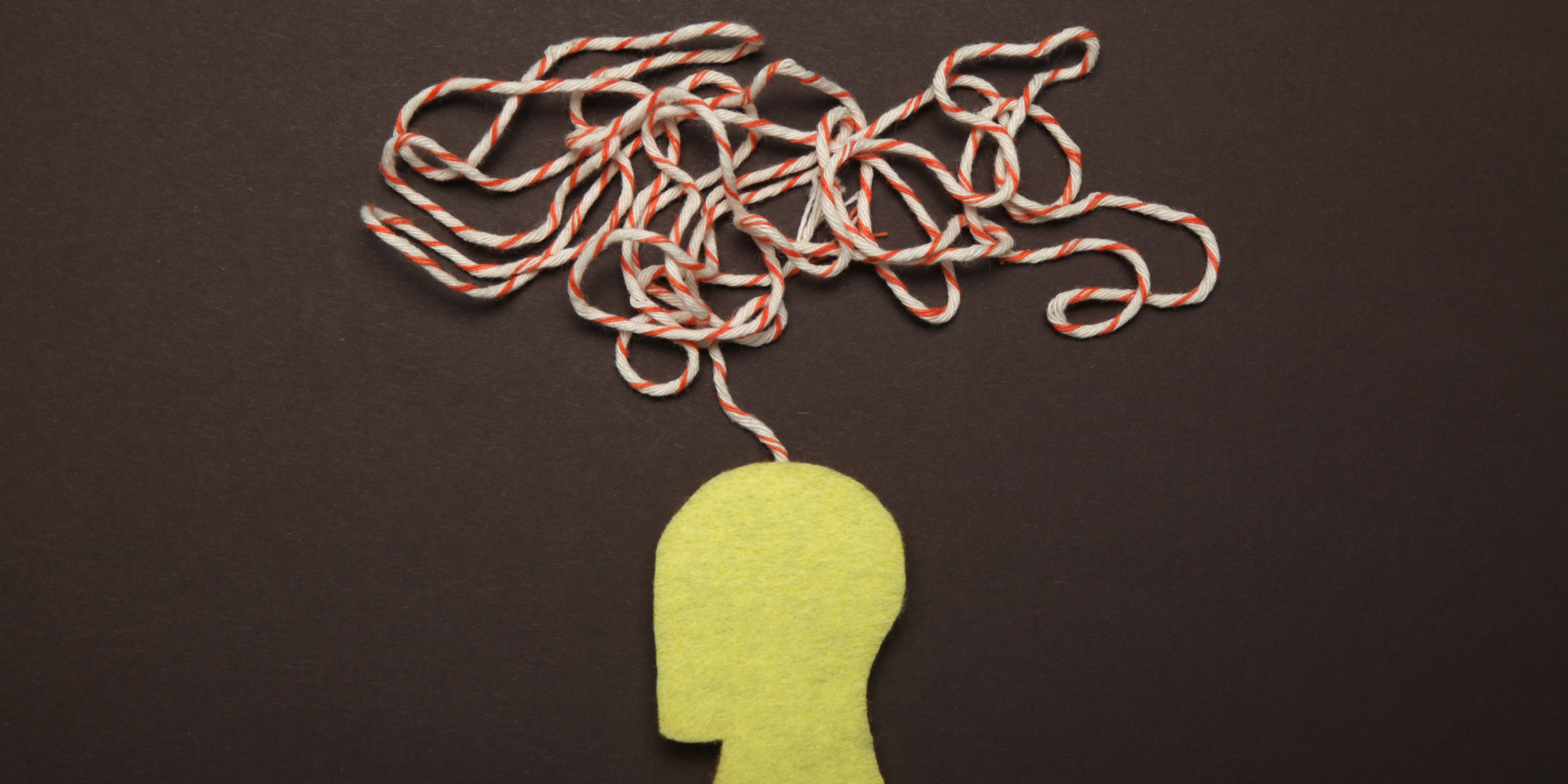
If anxiety at work is making your days feel harder than they should, you are not alone. High expectations, constant notifications and tight timelines can pull your brain into threat mode, which makes focus and decision making tougher. The result is second guessing, fatigue and a sense that you are always behind.
There is a better way. With simple routines that support your body and mind, you can reduce symptoms, feel calmer under pressure and get more of the right things done. In this article we explain what drives workplace anxiety, why it matters for your health and performance, and practical strategies you can use today.
What is Anxiety At Work?
Anxiety at work is a pattern of persistent worry, tension or fear that shows up in your workday. It can look like racing thoughts, trouble concentrating, stomach discomfort, shallow breathing, irritability or avoidance. Short bursts of stress can help you rise to a challenge, but ongoing anxiety keeps your body in a state of alert that drains energy and confidence.
Common myths get in the way. Anxiety is not a sign of weakness. It is not something you can simply push through forever. It is also not only in your head. It is a whole body response influenced by sleep, food, movement, workload and social support.
Why It Matters
Chronic stress elevates cortisol and adrenaline. Over time this can disrupt sleep, mood regulation and memory, and increase risk for cardiometabolic issues.
Poor sleep and anxiety feed each other. When worry spikes at night, deep sleep drops, which then increases next day reactivity. Breaking this cycle improves clarity and resilience. At a team level, high daily stress correlates with lower engagement and productivity.
If this sounds familiar, you are not failing. Your system is doing its best to keep you safe. The goal is to give it better inputs and smarter boundaries.
Common Barriers
- Lack of time and competing priorities that crowd out recovery
- Unclear expectations that fuel rumination and overwork
- All or nothing mindset that turns small slips into a spiral
- Unsupportive norms such as always on communication
The good news is you do not need a full overhaul. Small consistent tweaks change how your brain and body respond to stressors.
Coping Strategies For Anxiety At Work
Start Your Day With A Calm Circuit
Before email or news, spend five minutes on breath, light and movement. Slow nasal breathing settles your nervous system. Morning light anchors your body clock. Gentle mobility wakes the body without a spike. Set a phone reminder and keep it simple. Try four seconds in, six seconds out for ten breaths by a window, then two minutes of easy stretches. For more on how sleep and timing affect work performance, read our guide on
the impact of sleep on employee performance.
Fuel Focus With A Stable Breakfast And Smart Caffeine
Blood sugar swings amplify anxiety. Aim for protein and fibre within one to two hours of waking. Think Greek yoghurt with berries and nuts, eggs on grain toast, or overnight oats with chia and milk. Delay coffee until after food and at least 60 minutes after waking to avoid a crash later. If you are sensitive, cap coffee after midday. Our article on
coffee and performance can help you fine tune intake.
Create Zones Of Deep Work And Recovery
Your brain works best in focused blocks. Protect two daily windows for high value tasks with notifications off. Between blocks, schedule a five minute reset. Stand, roll your shoulders, look at a distant point to relax eye muscles, and take slow breaths. This pattern improves output and reduces rumination. If you lead others, this also models healthy norms.
Move Every Ninety Minutes
Movement clears stress chemicals and lifts mood within minutes. Set a timer and take a brisk lap, climb a flight of stairs, or do ten slow bodyweight squats. If you sit most of the day, try these
desk exercises to reduce muscle tension that can mimic anxiety.
Use Grounding Skills In The Moment
When anxiety hits, use short skills you can do quietly at your desk. Try box breathing with four seconds in, hold for four, out for four, hold for four. Or try the five senses reset by naming five things you can see, four you can feel, three you can hear, two you can smell and one you can taste. These techniques signal safety to your nervous system so you can think clearly.
Set Boundaries For An Always On World
Decide your finish time, choose one channel for urgent requests and batch the rest. Add status notes to your calendar. Use do not disturb for focus blocks. If you work hybrid, review your week to match deep tasks to home days and collaborative tasks to office days. This reduces friction and worry about unfinished work. Our guide to
balancing hybrid work offers a simple framework.
Prime Evenings For Better Sleep
Protect the last hour before bed. Dim lights, park devices, and write a short list for tomorrow to offload concerns. Aim for a consistent sleep window and a cool, dark room. Quality sleep lowers next day anxiety and improves mental clarity at work.
Train Your Stress Response
Reframe nerves as readiness. A quick label like I feel alert can shift your brain toward approach rather than avoidance. Pair this with a brief power breath before big tasks. Over time you will associate pressure with performance, not panic. Learn how to turn stress into an asset in our article on
leveraging stress and our guide to
stress management techniques for high performers.
Connect With Support
Speak with a trusted colleague or leader when workload or role clarity is driving worry. Ask for specifics, deadlines and decision rights. If symptoms persist, contact your GP or an Employee Assistance Program for professional care. Support speeds recovery and prevents escalation.
What Can Employers Do?
- Clarify priorities and role scope: Publish the top three for each role and revisit in weekly check ins.
- Normalise recovery: Encourage short movement breaks and protect lunch as a genuine pause.
- Make focus possible: Agree team norms for response times and use do not disturb windows.
- Train leaders in mental fitness: Build skills in recognition, referral and workload planning. Start with our overview of mental fitness in corporate wellbeing.
- Design hybrid with intention: Coordinate in office days for collaboration and remote days for deep work. Share our guide on balancing hybrid work.
- Measure and iterate: Track lead indicators such as sleep quality, energy and focus alongside lag metrics like absenteeism.
These actions reduce psychosocial risk and lift engagement. They also signal that wellbeing and high performance sit together.
Long Term Habits And Accountability
Choose one strategy from this article and pair it with a daily cue such as finishing your morning coffee or your calendar alert for a break. Track wins in a simple note. Share goals with a colleague for accountability. If you want structured support, Better Being coaches can help you design healthy routines for professionals and evidence based performance strategies that fit your world.
Key Takeaways
- Anxiety at work is common and changeable. Body and mind practices together work best.
- Stabilising sleep, food and movement reduces baseline stress and improves mental clarity at work.
- Short skills like breathwork and sensory resets calm the nervous system in minutes.
- Clear priorities and boundaries reduce rumination and boost focus.
- Leaders can lower risk by setting team norms, clarifying roles and modelling recovery.
- Small consistent tweaks beat big promises. Start with one habit and build from there.
If you are ready to build routines that reduce anxiety and lift performance,
get in touch with Better Being for tailored support.
READY TO IMPLEMENT A WELLBEING PROGRAM WITH TANGIBLE BENEFITS FOR EVERYONE INVOLVED?