
If you are exploring eap counselling for your organisation or for yourself, you are already taking a positive step. The right provider can improve mental health, reduce stress, and help people bounce back faster after tough periods. The wrong fit can mean low use, poor outcomes, and wasted budget.
In this guide we will share what eap counselling is, why it matters for performance and culture, the traps to avoid, and a clear checklist to help you choose with confidence. We will also outline how employers can set people up to use support early and often.
What is EAP Counselling?
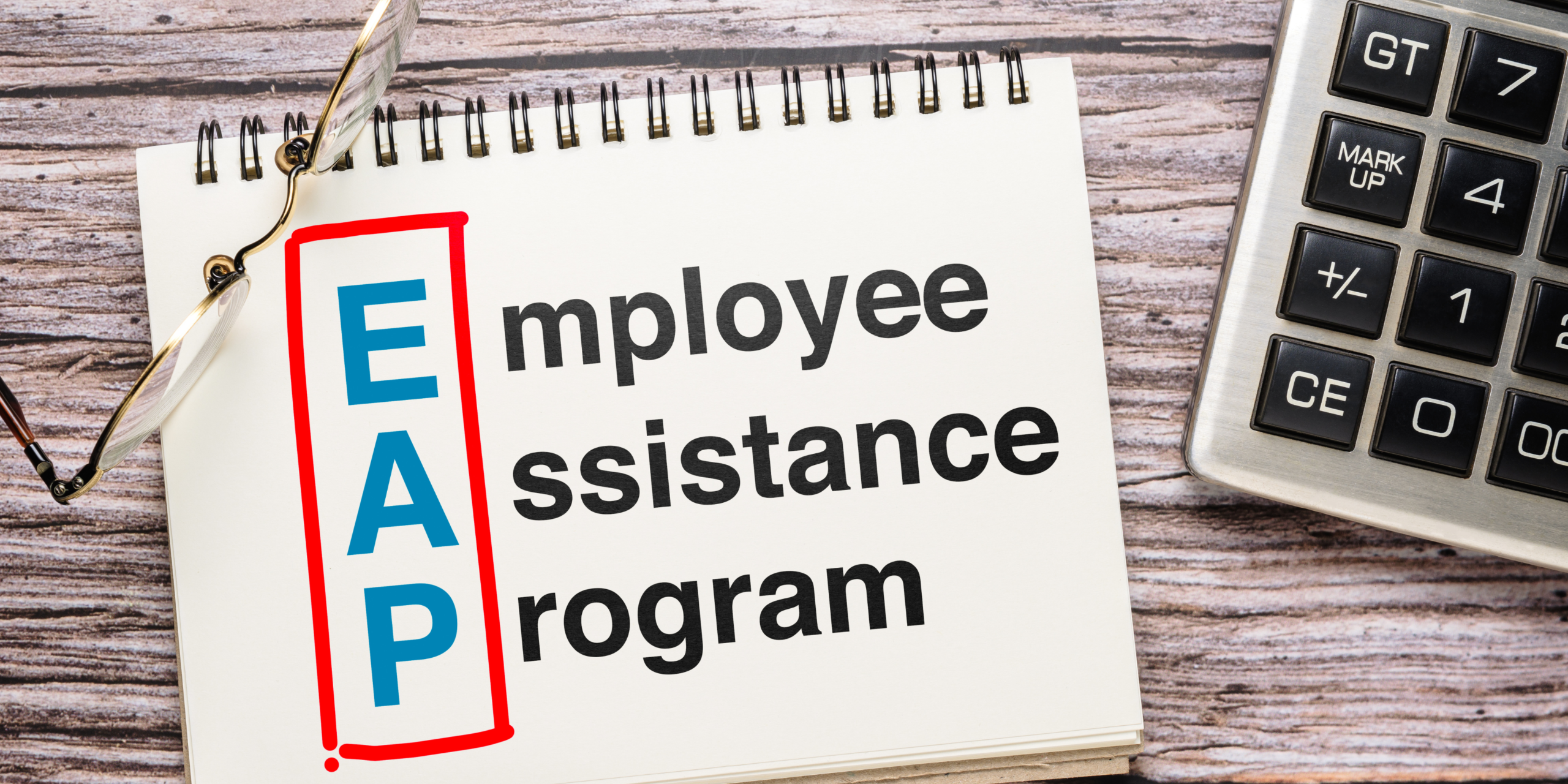
EAP stands for Employee Assistance Program. EAP counselling offers short term, confidential support for employees and often their immediate family. Sessions can cover stress, anxiety, relationships, financial pressure, grief, and work challenges. Access is usually paid by the employer and delivered by external qualified counsellors or psychologists.
Good programs go beyond a phone line. They provide diverse support options, proactive education, and pathways to ongoing care when needed.
Why EAP Counselling Matters
Unmanaged stress and mental health concerns can erode focus, decision making, and recovery. The World Health Organisation notes that depression and anxiety cost the global economy billions in lost productivity each year, while effective supports can deliver strong returns on investment. You can review guidance on workplace mental health from the World Health Organisation.
In Australia, employers have a duty to manage psychosocial risks. Early access to support is one of the most effective ways to reduce harm and improve outcomes. For context on the scale of the challenge, see our article on workplace mental health claims set to double by 2030.
When EAP counselling is trusted and easy to use, people typically seek help sooner. That can shorten recovery time, reduce absence, and protect team performance.
Common Barriers
- Lack of awareness: People do not know what is offered or how many sessions they can use.
- Low trust: Concerns about confidentiality or fear that leaders will know who accessed support.
- Complex access: Difficult booking steps or long wait times turn people away.
- One size fits all models: Limited modalities or cultural fit reduce effectiveness.
The good news is you can address these with smarter provider selection and simple communication habits.
How to Choose The Right EAP Counselling Provider
Clarify Your Needs And Success Measures
Define the population you want to support, likely use, and what success looks like. Consider utilisation, satisfaction, time to first appointment, clinical outcomes, and referral quality. This creates a fair basis to compare providers.
Check Clinical Quality And Credentials
Ask about qualifications, supervision, and escalation pathways. Confirm that clinicians are registered and experienced with the issues your people face. Request detail on how risk is assessed and managed in real time.
Prioritise Confidentiality And Data Security
Insist on clear privacy protocols. You should receive only de identified reporting unless there is a serious and immediate risk. Ask how data is stored, who can access it, and how long it is retained.
Evaluate Access And Speed
Fast access matters. Aim for same day triage and first appointments within a few days. Confirm hours of operation, phone and digital options, and the process for urgent care. Ask for recent performance data on wait times.
Offer Multiple Modalities
People benefit from choice. Look for phone, video, in person sessions, text based support, and guided digital programs. Ensure availability of culturally safe practitioners and options for specific needs such as family and financial counselling.
Validate Scope And Referrals
EAP is typically short term. Check how the provider supports ongoing therapy or referrals to GPs and community services when appropriate. Strong referral pathways protect care continuity.
Demand Transparent Reporting
Ask for regular, de identified reports that include utilisation, theme trends, time to appointment, and outcomes. Reporting should inform prevention, not expose individuals. Use insights to guide wellbeing strategy and training.
Assess Fit With Your Culture
The best EAP counselling aligns with your values and ways of working. Ask how practitioners are briefed on your industry demands, shift patterns, and peak seasons. Cultural fit builds trust and uptake.
Test The Employee Experience
Trial the service. Call the line, book a session, and see what it feels like. A frictionless journey signals a provider that understands busy professionals.
Look For Proactive Education
Beyond counselling, quality providers offer webinars, toolkits, and leader training. This builds skills and normalises help seeking.
What Can Employers Do?
- Make access easy: Provide multiple booking options and a simple single source of truth for how to use the service.
- Build trust: Reinforce confidentiality in all communications and have leaders model help seeking.
- Promote regularly: Share reminders at onboarding, during peak stress periods, and before public holidays.
- Train leaders: Teach managers to notice signs and to refer with confidence. See our post on leadership’s role in employee wellbeing programs.
- Measure what matters: Track utilisation, wait times, outcomes, and employee feedback. Use insights to refine the service.
- Integrate with wellbeing strategy: Align EAP with broader initiatives like resilience training and workload design.
An Action Plan
Set Clear Selection Criteria
Create a short scoring matrix across clinical quality, access speed, reporting, cultural fit, education, and cost. Weight factors based on your goals and risks.
Run A Pilot
Trial EAP counselling with a representative group for eight to twelve weeks. Gather feedback on experience, speed, and perceived impact. Use findings to refine scope.
Communicate For Trust And Use
Launch with a simple message. Share what the service is, who pays, how it protects confidentiality, and real examples of when to use it. Repeat often and keep the message human.
Enable Leaders To Support Early Help Seeking
Provide short scripts and referral guidance. Encourage regular one to ones and active listening. For practical tips, see active listening in the workplace.
Monitor And Improve
Review reports quarterly. Meet with the provider to discuss trends and practical prevention steps. If wait times or satisfaction dip, act fast.
Integrate With Performance And Safety
Connect insights from EAP counselling to workload, scheduling, and team rituals. Pair support with recovery education and resilience skills.
Long Term Habits And Accountability
Culture shifts when support is normal and leadership behaviour is consistent. Set simple norms like using EAP counselling early rather than waiting until a crisis. Pair that with ongoing education, team check ins, and regular reminders on access.
Make it easy to stay on track. Automate quarterly comms, include EAP details in onboarding, and review your data with a prevention lens. If you want help designing a program that delivers real outcomes, Better Being partners with organisations to build evidence informed and practical wellbeing systems that work in the real world.
Key Takeaways
- Effective EAP counselling improves wellbeing, reduces risk, and supports performance when it is trusted and easy to access.
- Choose providers based on clinical quality, speed of access, confidentiality, cultural fit, and clear reporting.
- Leaders play a key role by normalising help seeking and guiding people to support early.
- Measure utilisation, outcomes, and wait times, then use insights to inform prevention and training.
- Integrate EAP with a broader wellbeing strategy for sustained impact across teams and culture.
If you want experienced support to design or improve your approach to eap counselling and workplace wellbeing, get in touch with Better Being.


