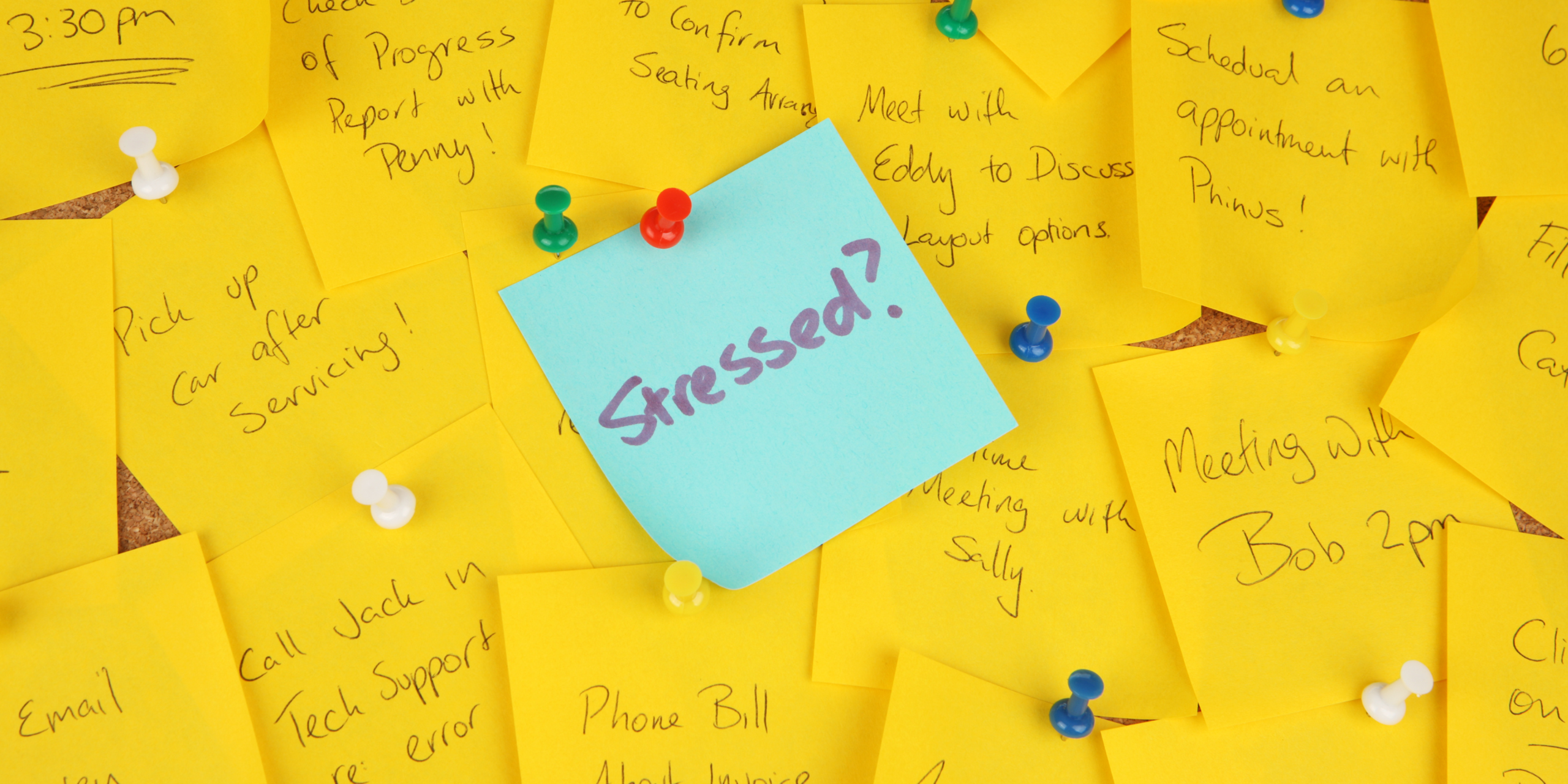
If anxiety at work has been creeping into your day, you are not alone. Many Australian professionals report high stress, racing thoughts, and tension that makes it hard to focus or switch off. The good news is that you can reduce anxiety at work with simple, evidence based shifts that support your body and mind, while shaping a calmer office culture.
This article outlines what anxiety at work looks like, why it matters for your health and performance, and how to create a stress free office atmosphere. You will learn the science in plain language and get practical steps you can start today.
What is Anxiety At Work?
Anxiety is a natural stress response that becomes unhelpful when it is frequent, intense, or persistent. At work it can show up as constant worry, difficulty concentrating, muscle tension, poor sleep, and avoidance of tasks or conversations. Short bursts of stress can sharpen focus, but chronically high stress can overwhelm your systems and impair judgment.
Myths to ignore include the idea that you must eliminate stress altogether or that anxiety means you are weak. Stress is part of modern work. The aim is to regulate it and build recovery into your routine so you can think clearly and perform consistently.
Why it Matters
Chronic stress elevates cortisol and adrenaline, which over time can disrupt sleep, mood, immunity, and blood pressure. High stress also impacts productivity and engagement. Gallup data shows daily stress remains elevated for workers globally, which correlates with higher burnout and turnover. You can explore Gallup research
here.
In Australia, there is growing focus on psychosocial hazards such as high job demands, low control, and poor support, which increase the risk of anxiety and depression. Safe Work Australia provides guidance on managing these risks here. Addressing these hazards alongside healthy daily habits leads to better focus, fewer errors, stronger relationships, and a more supportive culture.
Sleep is also a core pillar. Poor sleep and anxiety reinforce each other, reducing mental clarity and resilience. For a deeper look at sleep and performance, read our article on the impact of sleep on employee performance
here, and explore the Sleep Foundation on anxiety and sleep
here.
Common Barriers
- Lack of time: packed calendars and back to back meetings leave no space for recovery.
- Conflicting advice: it is hard to know what actually works and what to prioritise.
- Workplace norms: always on expectations or silence around mental health.
- All or nothing mindset: waiting for the perfect plan instead of starting small.
The good news is you do not need a complete overhaul. Small consistent tweaks can meaningfully lower anxiety at work and help everyone breathe easier.
How To Create A Stress Free Office Atmosphere
1. Set Your Daily Anchors
Start and finish your day with simple anchors like a five minute breath practice, a short walk in daylight, and a clear shut down ritual. Anchors signal safety to your nervous system and reduce cognitive load.
Tip: Book morning light as a calendar event and set an afternoon reminder to write tomorrow’s top three priorities before you log off.
2. Create Space Between Tasks
Micro breaks of one to three minutes reduce stress accumulation and improve accuracy. Stand, roll your shoulders, or practice box breathing through four counts in, hold, out, hold.
Tip: Use meeting buffers and suggest a walking meeting where possible. Try our simple desk exercises at work
here.
3. Fuel Steady Energy
Blood sugar swings can mimic anxiety. Aim for balanced meals with protein, fibre, and healthy fats, and reduce the caffeine roller coaster.
Tip: Swap the second long black for water and plan a protein rich lunch. For more food ideas, see our three tips for nutrition at work
here and our piece on coffee and performance
here.
4. Move Every Ninety Minutes
Movement lowers muscle tension and shifts your physiology toward calm. A brisk five minute walk or mobility circuit can reduce perceived stress and sharpen focus.
Tip: Pair movement with an existing habit like your mid morning call. Stand up, pace, or walk while you talk.
5. Protect Recovery Windows
Schedule genuine downtime across the week. Even short recovery windows restore energy and reduce anxiety at work by interrupting constant stimulation. Aim for a consistent sleep window and a light pre bed routine.
Tip: Block a weekly no meeting focus hour and a tech light hour before bed. Our guide on stress management techniques for high performers can help
here.
6. Use Simple Mental Skills
Label what you feel, narrow your focus to the next right action, and practice gratitude. These skills reduce threat perception and improve resilience.
Tip: Try the three by three reset. Name three sensations you can feel, take three slow breaths, and write the next three actions you will take.
7. Set Boundaries That Stick
Clarity around communication windows, response times, and deep work blocks lowers social stress and creates predictability. This supports a calmer team rhythm.
Tip: Agree team norms and use delayed send outside business hours. See our guidance on right to disconnect and wellbeing
here.
8. Build Psychological Safety
When people feel safe to speak up, ask for help, or admit mistakes, anxiety drops and performance rises. Learn what psychological safety is
here and how leaders can build it
here.
What Can Employers Do?
- Define team norms: Set clear expectations on availability, response times, and meeting length to reduce uncertainty.
- Design workload with choice: Increase control by offering flexibility in how and when work is done where possible, as recommended in Australian psychosocial hazard guidance from Safe Work Australia here.
- Train leaders in supportive conversations: Build capability in active listening and check ins. Explore active listening in the workplace here.
- Normalise help seeking: Share resources and promote confidential support.
- Re engineer meetings: Shorten default meetings, add buffers, and trial walking or stand up meetings to lower stress and increase energy.
- Measure and iterate: Track lead indicators like sleep quality, perceived stress, and focus time.
- Partner with experts: Implement evidence based programs that build mental fitness and healthy routines. See how Better Being supports mental fitness in corporate settings here.
Long Term Habits And Accountability
Choose one or two actions from the list above and anchor them to an existing routine. Use simple tracking, like a weekly check of how many days you moved at lunch or shut down on time. Pair up with a colleague for accountability and encourage team nudges that support calm, focused work.
If you want structured support, Better Being provides coaching and
workplace programs that translate science into daily routines and team practices that reduce anxiety at work and build sustainable performance.
Key Takeaways
- Anxiety at work is common and manageable with targeted daily habits and supportive team norms.
- Regulating stress through anchors, movement, nutrition, and sleep improves clarity, mood, and output.
- Micro breaks, boundaries, and psychological safety reduce cumulative stress and errors.
- Workplaces can lower psychosocial risk by improving control, clarity, and leadership capability.
- Start small and build momentum. Consistency beats intensity for long term calm and performance.
For further reading, explore how to manage leadership burnout
here and practical strategies to leverage stress to your advantage
here. For more information on Better Being’s Wellbeing Programs,
get in touch with us here.
READY TO IMPLEMENT A WELLBEING PROGRAM WITH TANGIBLE BENEFITS FOR EVERYONE INVOLVED?