
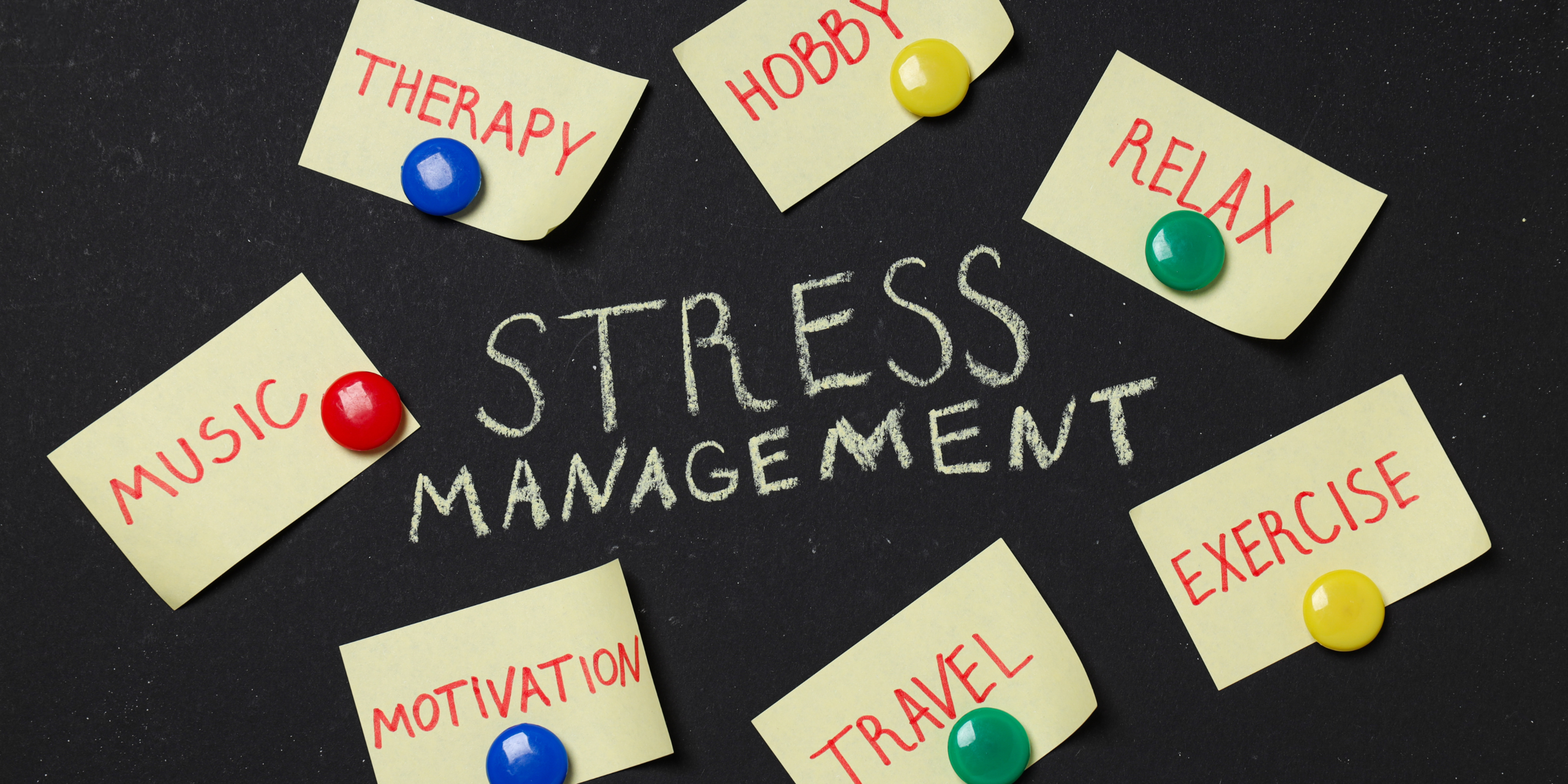
If you have been feeling stretched thin with relentless deadlines, back to back meetings and a racing mind at night, you are not alone. Many Australian professionals report higher stress and lower recovery, which impacts energy, mood and performance. The good news is there are practical strategies to manage stress that fit a busy schedule and help you feel more in control.
This article breaks down the science in plain language and gives you simple, evidence based techniques for stress management you can start today. You will learn how to calm your nervous system, build daily recovery, and create healthy routines for professionals that actually stick.
What is Stress And How Does It Work?
Stress is your body’s normal response to a challenge. When you face a demanding task, your brain signals your body to release hormones like adrenaline and cortisol. This is helpful in short bursts because it sharpens focus and prepares you to act. When stress becomes chronic, those same hormones stay elevated and start to affect sleep, appetite, decision making and recovery.
Think of stress as a volume dial rather than an on or off switch. You want it high for short periods when you need to perform, then turned down so you can recover. Our aim is not to remove stress, but to learn strategies to manage stress so you can use it when it helps and settle it when it does not.
Why Effective Stress Management Matters
Chronic stress is linked with higher risk of heart disease, mood disorders and poor sleep. The World Health Organisation recognises stress at work as a key risk for mental health and productivity. See the WHO overview on mental health at work.
Stress and sleep are tightly connected. Elevated stress hormones make it harder to fall and stay asleep, and poor sleep then raises stress the next day. The Sleep Foundation explains how stress and insomnia reinforce each other and why evening wind down routines matter.
Stress can also affect heart health through inflammation, blood pressure and behaviour changes like comfort eating and reduced activity. Read our guide on the impact of stress on heart health for a deeper dive.
Common Barriers
- Lack of time: packed calendars and competing priorities crowd out recovery.
- All or nothing mindset: waiting for the perfect plan rather than starting small.
- Conflicting advice: too many tips and trends make it hard to choose.
- Unsupportive culture: always on expectations and after hours emails.
The good news is you do not need a complete overhaul. Small, consistent tweaks work best.
How To Apply Strategies To Manage Stress Each Day
1. Start With A Reset Breath
Recommendation: Use a one minute breathing drill three to five times per day.
Why it works: Slow nasal breathing with a longer exhale signals your nervous system to shift into rest and digest. This reduces heart rate and calms the brain.
Try this: Inhale through your nose for four, pause for two, exhale for six. Repeat five cycles before a meeting or after a tough call.
2. Create A Morning Anchor Routine
Recommendation: Set a consistent wake time, get morning light, and move for five to ten minutes.
Why it works: Light and gentle movement regulate your circadian rhythm and cortisol curve which supports better energy and sleep.
Try this: Step outside with your coffee for five minutes, then do a short mobility flow. Our desk exercises can double as a morning primer.
3. Protect Focus With Brief Movement Snacks
Recommendation: Every ninety minutes, stand and move for two to five minutes.
Why it works: Movement lowers muscle tension, boosts blood flow to the brain and reduces stress build up. It also prevents the afternoon slump.
Try this: Set a calendar nudge. Take a walking meeting or do ten squats and ten wall presses between tasks.
4. Use Caffeine Strategically
Recommendation: Delay your first coffee by ninety minutes and avoid caffeine after mid afternoon.
Why it works: Aligning caffeine with your natural cortisol rhythm supports steady energy and better sleep.
Try this: Hydrate first, then enjoy coffee after your morning light and movement. Learn more in our article coffee performance friend or foe.
5. Eat Regularly To Stabilise Energy
Recommendation: Aim for regular meals with protein, fibre rich carbs and healthy fats.
Why it works: Stable blood sugar supports mood and mental clarity which reduces perceived stress.
Try this: Build a plate with eggs or Greek yoghurt, wholegrain toast, nuts or avocado, plus fruit or veg. Pack a protein rich snack for the mid afternoon window.
6. Schedule Micro Recovery Between Demands
Recommendation: Insert short buffers before and after high pressure tasks.
Why it works: Small decompression windows stop the stress carryover effect and improve performance under pressure.
Try this: Book meetings for twenty five or fifty minutes to leave a five or ten minute reset. See our guide to performing under pressure.
7. Turn Stress Into Fuel With Reframing
Recommendation: When you notice stress, reframe it as your body preparing to meet a challenge.
Why it works: Interpreting stress responses as helpful reduces anxiety and improves outcomes.
Try this: Say to yourself, this energy helps me focus. Explore how to leverage stress to your advantage.
8. Prioritise Evening Wind Down
Recommendation: Create a thirty to sixty minute pre sleep routine without screens.
Why it works: A consistent wind down lowers arousal and supports deep sleep which is your best stress reducer.
Try this: Dim lights, stretch, read a paperback, or journal three wins from the day. The Sleep Foundation sleep hygiene tips are a useful checklist.
9. Move Your Body Most Days
Recommendation: Aim for at least one hundred and fifty minutes of moderate activity per week plus two sessions of strength work.
Why it works: Exercise releases mood lifting chemicals, reduces muscle tension and improves resilience to stress.
Try this: Book two twenty minute resistance sessions in your calendar. For ideas, read how to utilise exercise to combat stress.
10. Build A Support Network
Recommendation: Share goals with a colleague, coach or friend and schedule regular check ins.
Why it works: Accountability and social connection buffer stress and increase follow through.
Try this: Pair a Friday check in walk with a teammate.
What Can Employers Do?
- Set clear norms: Encourage no meeting blocks and finish meetings five minutes early to allow micro recovery.
- Make access easy: Provide confidential coaching and promote it regularly so staff know how to book.
- Promote movement: Support walking meetings and provide spaces for short stretch breaks.
- Model boundaries: Leaders should avoid after hours emails and take leave visibly to normalise recovery.
- Measure what matters: Track leading indicators like energy, sleep quality and movement alongside lag measures.
- Invest in skills: Run evidence based workshops on stress management techniques for high performers.
Long Term Habits And Accountability
Choose one or two strategies to manage stress from this list and embed them into existing routines. Stack a new habit onto something you already do, like a reset breath after you log in each morning. Use small weekly goals and a visible tracker. If you need support, coaching and structured programs can accelerate progress and help you navigate busy periods like EOFY or the lead up to public holidays.
Key Takeaways
- You do not need a total life overhaul. Small daily actions are the most effective techniques for stress management.
- Breathing drills, movement snacks and evening wind down routines calm your nervous system and improve sleep.
- Nutrition timing and caffeine strategy support steady energy and clearer thinking at work.
- Reframing stress helps you perform when it counts without burning out later.
- Workplace culture matters. Simple policy and leadership shifts reduce stress and lift engagement.
- Consistent practice and accountability turn strategies to manage stress into lasting habits.
If you are ready to build healthy habits that last and want tailored support in the workplace, get in touch with Better Being.