
Men’s health and fertility are closely linked to everyday habits like sleep, movement, nutrition and stress. If you and your partner are trying to conceive, or you want to future proof your fertility, understanding what actually moves the needle matters. This guide cuts through confusion with simple, evidence based steps you can use right away.
What is Men’s Health and Fertility?
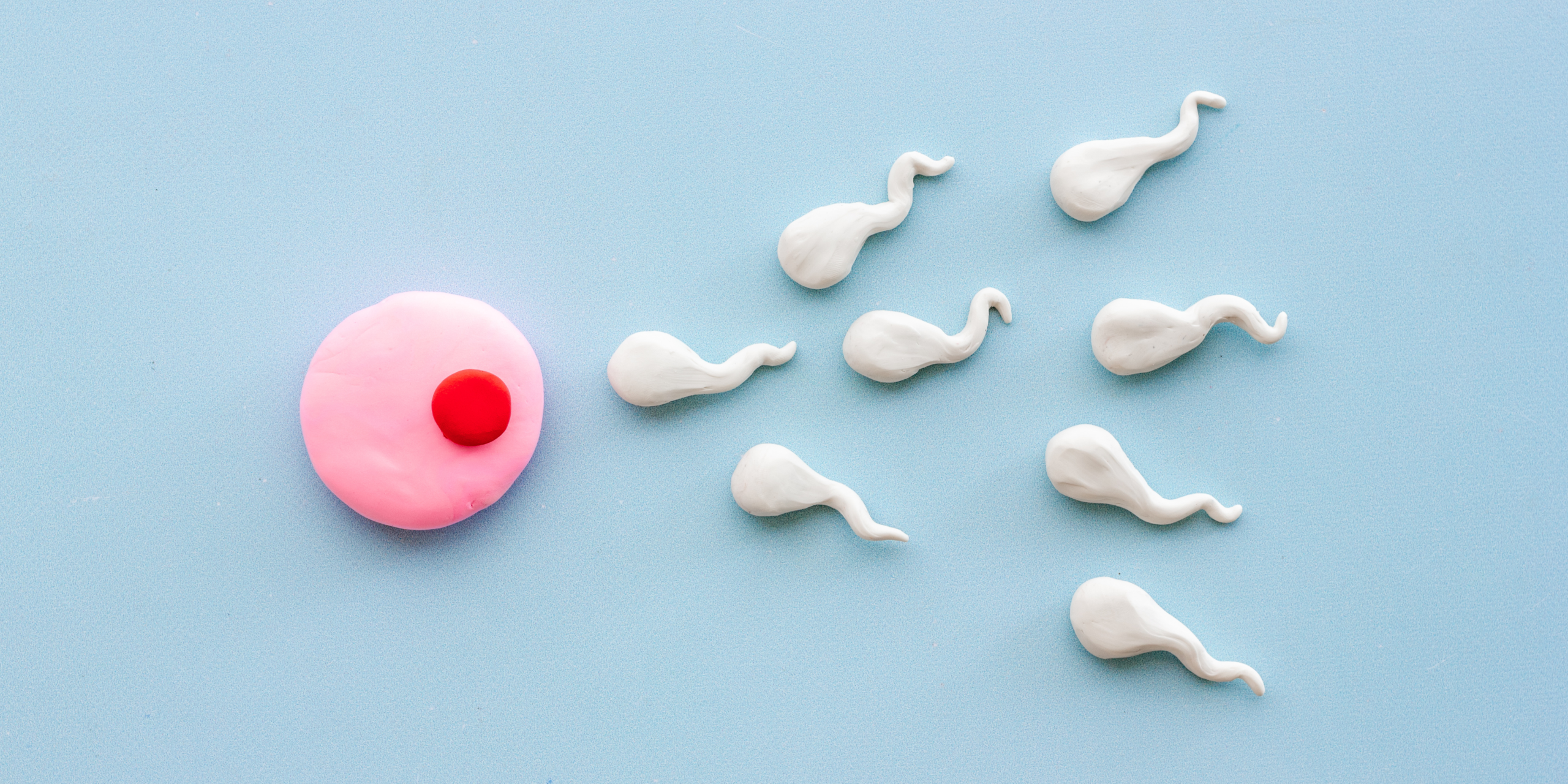
Fertility is your capacity to conceive a child. For men, it largely comes down to sperm quantity, quality and movement, along with sexual function and hormones like testosterone. Healthy sperm are produced in the testes in a process that takes about 64 to 72 days. That means what you do over the next two to three months can meaningfully shift your fertility.
Your broader health influences this system. Sleep helps regulate testosterone. Strength training supports insulin sensitivity and body composition, which affect hormones. Nutrition provides antioxidants that protect sperm from oxidative stress. Chronic stress raises cortisol which can disrupt sex hormones and libido. Alcohol and smoking damage sperm and reduce count and motility.
Why it Matters
Globally, about one in six people experience infertility according to the World Health Organisation. Male factors contribute to a significant share of cases. The good news is many drivers are modifiable through lifestyle and timely medical support.
Sleep is a major lever. Short sleep is linked to lower testosterone and poorer sperm parameters. The Sleep Foundation notes that testosterone follows a daily rhythm that depends on consolidated nightly sleep. Protecting your sleep can improve energy, mood and sexual function.
Alcohol, smoking and vaping matter too. The NHMRC alcohol guidelines recommend avoiding alcohol when trying to conceive since there is no known safe level for fertility and prenatal health. Smoking is linked to DNA damage in sperm and lower counts.
Cardiometabolic health also plays a role. High blood pressure, diabetes and excess visceral fat can impair blood flow, hormones and erectile function. Improving heart health supports fertility and long term wellbeing. For more on stress and heart health links, see our blog The impact of stress on heart health.
How to Improve Men’s Health and Fertility
Prioritise sleep for hormones and sperm quality
Aim for seven to nine hours with a consistent sleep and wake time. Keep the bedroom cool and dark, reduce late caffeine and screens, and build a 30 minute wind down. Sleep supports testosterone production and growth hormone release which are essential for recovery and sexual health. If you are curious how sleep drives work performance, read The impact of sleep on employee performance.
Lift weights two to three days a week
Focus on compound moves like squats, deadlifts, presses and rows. Strength training improves insulin sensitivity and reduces visceral fat, which helps balance sex hormones. It also boosts confidence and mood. If you need a starting point, see Resistance training the key to weight loss.
Follow a fertility friendly nutrition pattern
Base meals on whole foods. Include vegetables, fruit, whole grains, legumes, extra virgin olive oil, nuts and seeds, with fish or lean meats. Aim for omega 3 rich fish twice a week. These provide antioxidants like vitamin C, vitamin E, selenium and zinc that protect sperm from oxidative stress. Limit ultra processed foods and added sugars that drive inflammation. For a closer look at nutrition myths, read The skinny on quitting sugar and Superfoods facts or fad.
Cut alcohol and stop smoking
If you are trying to conceive, the safest choice is to avoid alcohol as per the NHMRC guidelines. Alcohol can impair testosterone production and sperm quality. Smoking and vaping harm sperm DNA and reduce motility.
Manage stress and protect your relationship
Use short daily practices to lower baseline stress. Try a ten minute walk outside at lunch, two minutes of slow breathing through the nose, or a brief body scan before bed. Regular movement helps metabolise stress hormones and improves sleep quality. If stress is high, start here: How to utilise exercise to combat stress and Stress management techniques for high performers.
Time your caffeine and heat exposure
Keep coffee to the morning and early afternoon. Too much caffeine late in the day can reduce sleep quality and affect hormones. Avoid frequent high heat to the testes from hot spas and saunas if you are actively trying to conceive, since sperm production is temperature sensitive. For a performance lens on caffeine, see Coffee performance friend or foe.
Know when to seek medical support
If you have been trying for a year, or six months if the female partner is over 35, speak with your GP. A semen analysis checks count, motility and morphology. Your doctor may screen for hormonal or thyroid issues and discuss medication, referral or assisted reproductive options. Healthdirect has a clear overview of tests and treatments for male infertility.
For Workplaces
- Normalise men’s health and fertility as part of wellbeing communications, especially during Men’s Health Week. See our guide Men’s Health Week the stats facts and solutions.
- Protect recovery with meeting free lunch breaks, realistic travel schedules and limits on late video calls across time zones.
- Offer sleep and stress education sessions and promote confidential EAP access for individuals and couples.
- Create flexible options for medical appointments and tests without stigma.
Key Takeaways
- Men’s health and fertility are shaped by sleep, movement, nutrition, stress and substance use.
- Small consistent changes over two to three months can improve sperm quality and hormones.
- Cutting alcohol and stopping smoking support fertility and long term health.
- Strength training and omega 3 rich foods help reduce inflammation and improve hormonal balance.
- Stress management protects libido, relationship health and sleep, which all matter for fertility.
- Do not wait on support. Speak with your GP for testing and guidance if you are concerned.
If you are ready to build habits that support men’s health and fertility, get in touch with Better Being for tailored workplace coaching and education.


