
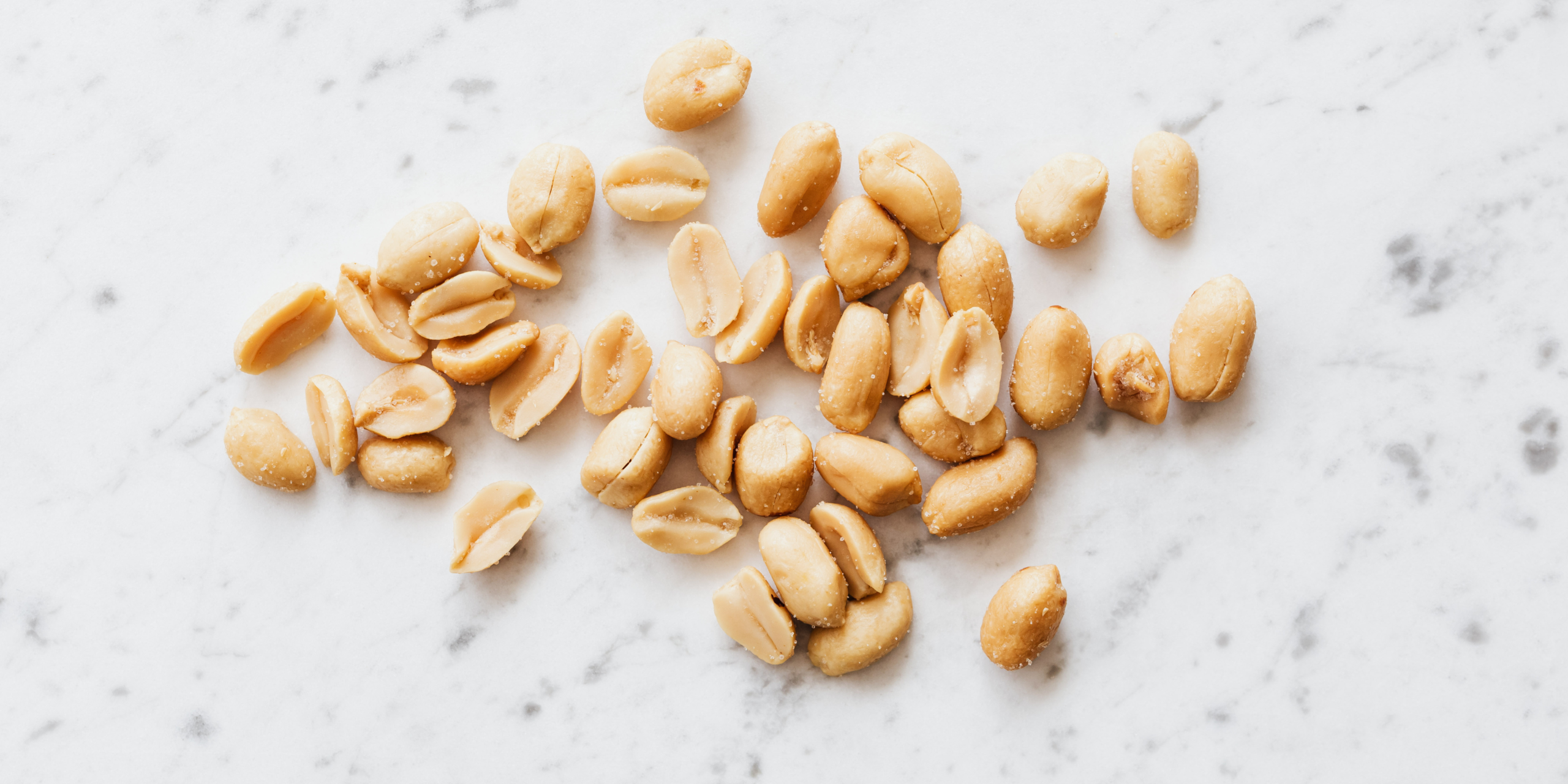
You want snacks that actually help your health and performance. So are peanuts good for men’s health? The short answer is yes, when you eat them in the right way. Peanuts can support heart health, weight management, muscle recovery and even blood flow for performance and vitality. This guide clears up the confusion, shows you how peanuts work in the body, and gives you simple steps to add them to a healthy routine without overdoing calories or salt.
What are Peanuts and Why They Matter for Men?
Peanuts are legumes that behave nutritionally like nuts. They are rich in plant protein, fibre, and heart friendly fats. They also provide magnesium, vitamin E, folate, and the amino acid arginine which helps your blood vessels relax by supporting nitric oxide production. For men, that combination can aid heart function, support healthy blood pressure, reduce energy dips, and help with recovery from training.
From a physiology lens, snacks that combine protein, fibre and unsaturated fats slow digestion. This steadies blood glucose and insulin, so you feel satisfied for longer and avoid the afternoon crash. Peanuts fit that brief, which is why they can be a smart option in a busy day.
Are Peanuts Good for Men’s Health? The Evidence
Regular nut consumption is linked with better cardiovascular outcomes. The Heart Foundation recommends a daily handful of unsalted nuts as part of a heart healthy pattern. Peanuts offer similar benefits to tree nuts because they are high in mono and polyunsaturated fats. These fats can help improve blood lipids when they replace refined carbohydrates or saturated fats.
Peanuts are also naturally low in carbohydrate and have a low glycaemic impact when eaten in sensible portions. Low glycaemic foods support steady energy and focus, which is useful for long workdays.
Protein and magnesium in peanuts support muscle function and recovery when paired with regular resistance exercise. If strength and body composition are goals, combine smart snacks with training.
Arginine in peanuts supports nitric oxide production which can aid vascular function and blood flow. Good vascular health is essential for heart performance and can influence sexual function. While no single food is a cure, a heart friendly diet and active lifestyle matter for long term vitality.
Why it Matters for Men
Heart disease remains a leading cause of death for Australian men. A food pattern rich in plants, whole grains, seafood, and nuts can reduce risk factors, as supported by the Australian Dietary Guidelines and the Heart Foundation. Swapping processed snacks for a handful of unsalted peanuts is a simple, repeatable step toward that pattern.
Work and family demands can push meals to the back seat. Portable options like peanuts reduce the chance of hitting the servo for high sugar treats. If you are working on cutting added sugars, you might like our guide The skinny on quitting sugar.
Stress also plays into heart risk through blood pressure and inflammation. Food choices alone are not enough, but they help. For a broader plan on managing stress for heart health, see Impact of stress on heart health.
Smart Ways to Add Peanuts to Your Diet
- Choose the right type
- Go for unsalted dry roasted or raw peanuts. This keeps sodium down which supports blood pressure.
- Check labels for only peanuts on the ingredients list. Avoid added sugar, honey, flavour coatings, or seed oils.
- Dial in your portion
- A handful is about 30 grams which is roughly a quarter cup. That gives you around 7 grams of protein plus fibre and healthy fats without a calorie blowout.
- Decant into a small container rather than eating from a big bag. This removes friction and protects your goals.
- Pair for performance
- Combine peanuts with fruit or cut veg to add volume and micronutrients without pushing calories too high.
- If you train, use peanuts as part of a recovery snack with yoghurt or a milk based smoothie to lift protein and calcium.
- Pick a better peanut butter
- Choose one hundred percent peanut options with no added sugar or oils. Spread thinly on whole grain toast with banana for a steady energy breakfast.
- Use peanuts to replace less helpful foods
- Swap biscuits, pastries or confectionery for a measured handful of peanuts. You get more protein and fibre with less sugar, which steadies energy across the day.
- Make simple trail mixes with peanuts, pumpkin seeds and a little dried fruit. Keep serves small and measured.
- Respect allergy and quality
- If you or a colleague has a peanut allergy, avoid bringing peanuts into shared spaces and check labels carefully. See Food Standards Australia New Zealand for allergy guidance.
When Peanuts May Not be The Best Choice
If weight loss is your main focus and you struggle with portion control, peanuts can be easy to overeat. Choose pre portioned packs or switch to lower calorie crunch like carrot sticks, cherry tomatoes, or air popped popcorn alongside a protein source. If you have high blood pressure and usually pick salted peanuts, switch to unsalted and keep an eye on total sodium. If you have digestive issues, gradually increase fibre and drink water to avoid discomfort.
Simple Snack Ideas You Can Repeat
- 30grams of unsalted peanuts with an apple for a late morning lift.
- Whole grain toast with one tablespoon 100% natural peanut butter and sliced banana.
- Yoghurt cup topped with blueberries and a spoon of crushed peanuts.
- Veggie sticks with a homemade peanut dip thinned with water, lemon and a dash of soy sauce reduced salt.
Frequently Asked Questions
How often should I eat peanuts?
A daily handful fits within a healthy pattern for most people. Rotate with other nuts for variety.
Are roasted peanuts unhealthy?
Dry roasted is fine. Aim for unsalted and avoid deep fried or sugar coated options.
Does peanut butter raise cholesterol?
Natural peanut butter is mostly unsaturated fat. When it replaces saturated fats and refined carbs it can support healthy lipids as part of an overall balanced diet.
Do peanuts cause weight gain?
Like any energy dense food, they can if you overeat. Measured portions can actually help with fullness and weight control.
Key Takeaways
- Peanuts can support men’s heart health, steady energy and muscle recovery when you choose unsalted options and keep portions in check.
- Protein, fibre and healthy fats slow digestion which reduces energy crashes and helps you stay focused through the workday.
- You do not need a big overhaul. Swapping biscuits for a measured handful of peanuts is a small change with real impact.
- Check labels. Choose one hundred percent peanut butter and avoid added sugars and seed oils to get the full benefit.
- Allergy awareness matters at home and work. Provide nut free choices and clear information for safety.
If you are ready to build nutrition habits that boost energy and long term health, get in touch with Better Being for tailored workplace support.


