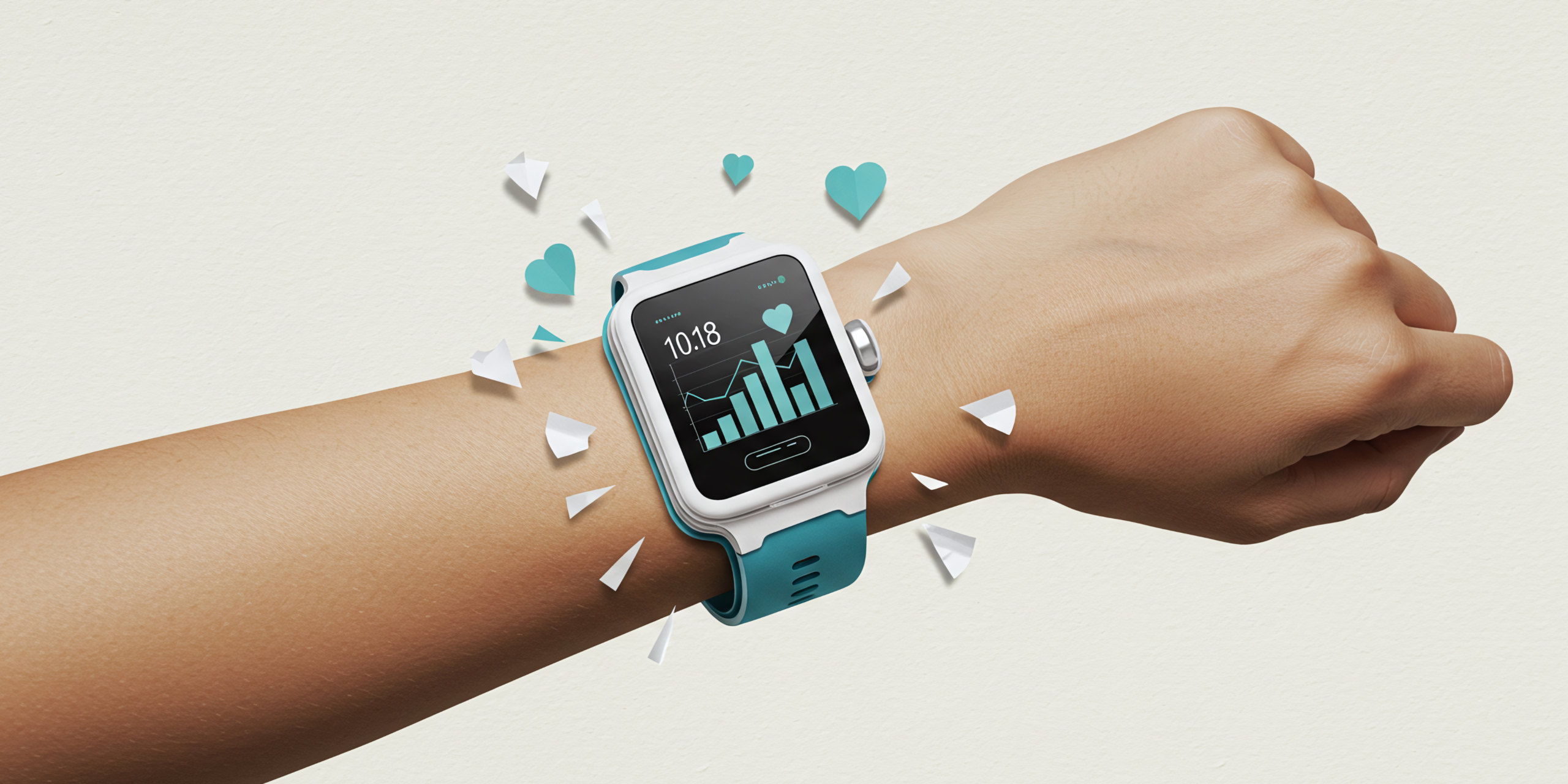
If you are weighing up options for your team and wondering what corporate wellbeing services include fitness tracking and nutrition advice, you are asking the right question. Programs that integrate movement data with practical nutrition coaching are the ones most likely to shift daily habits, improve energy, and deliver measurable results.
When fitness tracking meets tailored nutrition support, people get timely feedback and clear next steps. That combination builds consistency, confidence, and healthier routines for professionals who are busy and value outcomes.
In this article, we outline what to look for, why the pairing works, and how to implement a service that suits your culture and budget. We also share simple steps you can start today.
Corporate Wellbeing Services That Combine Fitness Tracking And Nutrition Support
Integrated services connect activity and recovery data from wearables or apps with practical nutrition advice and habit coaching. The goal is not a pile of data. The goal is to translate the data into simple actions that improve daily performance at work and at home.
What is an Integrated Fitness And Nutrition Service?
It is a coordinated program that links three parts:
- Assessment: Baseline measures such as steps, strength, sleep patterns, food intake, and energy levels.
- Tracking: Ongoing data from wearables or apps, plus quick nutrition check ins.
- Coaching and education: Personalised advice, group workshops, and resources that turn insights into action.
Some programs add challenges, digital nudges, and team goals to make the process social and enjoyable.
Why it Matters
Movement and nutrition work together to support cognition, mood, and resilience. Regular physical activity improves insulin sensitivity and brain function, while balanced meals stabilise blood sugar and help regulate stress hormones. Over time, this supports focus, sleep quality, and recovery, which are core drivers of performance at work.
Australian guidelines recommend at least 150 to 300 minutes of moderate intensity activity per week, plus muscle strengthening on two days. For nutrition, the
Australian Dietary Guidelines encourage mostly whole foods, adequate protein, fibre, and hydration. When teams follow these simple foundations, engagement and productivity often improve.
If you rely on coffee until lunch, then rush a late meal after back to back meetings, your blood sugar and energy will swing. Add long sitting and poor sleep and you have the perfect setup for afternoon fog, cravings, and missed workouts. An integrated service helps you break that cycle with small, consistent changes.
What Corporate Wellbeing Services Include Fitness Tracking And Nutrition Advice?
- Wearable integrated coaching: Services that connect data from devices like Apple Watch, Garmin, or Fitbit to coaching dashboards. Coaches review steps, heart rate trends, and sleep, then align nutrition guidance to training load and work demands.
- App based habit programs: Mobile programs that prompt movement breaks, hydration, and meal planning, with optional challenges and team leaderboards.
- Personalised nutrition consults with activity insights: Accredited nutrition professionals who use your movement and sleep data to adjust meal timing, protein targets, and recovery snacks.
- Workshops plus one to one coaching: Group education on energy, stress, and recovery, paired with individual sessions to personalise targets and remove barriers.
- Health challenges with coaching support: Time bound challenges that set clear movement and nutrition goals, backed by weekly coaching and resources so results stick after the challenge ends.
- Executive and leadership programs: Focused support for leaders who juggle complex schedules, travel, and decision load, with tailored movement plans and strategic nutrition for busy days.
Look for services that do more than count steps. The best programs translate data into actions you can take today and adapt across busy periods, travel, and hybrid work. If you want a deeper dive into building a program that engages people, read our guide on
the three musts of a wellbeing program and how to
get leadership buy in.
How To Choose And Implement The Right Service
1. Clarify The Goal
Decide what you want to improve first. Energy, focus, sleep, musculoskeletal health, or team connection. A clear goal guides your tracking and coaching approach and helps you measure progress.
2. Pick Meaningful Metrics
Choose a small set of metrics that reflect your goal, such as steps, strength sessions, sleep duration, and a simple food quality score. Keep it simple so people engage consistently.
3. Pair Data With Actionable Nutrition
Connect movement and sleep trends with practical eating guidelines. For example, if training load rises, lift protein intake and plan a recovery snack. If sleep dips, reduce late caffeine and bring dinner earlier. See our post on
three tips for nutrition at work for easy wins.
4. Offer Personalisation
Provide one to one sessions to tailor habits to preferences, culture, and family demands. Personalisation boosts confidence and removes friction, which is essential for consistent follow through.
5. Build Social Accountability
Use small team challenges and walking meetings. Encourage friendly check ins and shared goals. Social support makes healthy routines for professionals more enjoyable and sustainable.
6. Make It Easy To Start
Provide simple onboarding, device setup guides, and a clear first week plan. Offer office hours or chat support so people can solve issues quickly and keep momentum.
7. Measure What Matters
Track participation, behaviour change, and outcomes such as energy ratings, focus, sleep quality, and musculoskeletal symptoms. Link trends to business outcomes like engagement or absenteeism. For ideas, see how to
measure your employee wellbeing program.
Everyday Tips You Can Apply Now
- Anchor movement breaks: Stand or walk for three minutes every hour to reduce stiffness and lift alertness.
- Match meals to workload: Eat a balanced lunch with protein, colourful vegetables, and whole grains on busy afternoons to reduce cravings.
- Set a caffeine cut off: Aim for midday to protect sleep and recovery.
- Plan a recovery snack: Pair protein with fibre rich carbs within two hours after exercise.
- Prep water and fruit on your desk: Make the better choice the easy choice.
For Workplaces
- Define success: Set one to two clear outcomes such as improved energy ratings and reduced discomfort from sitting.
- Choose inclusive tools: Provide options for people with and without wearables and ensure accessibility for hybrid teams.
- Link data to coaching: Pair dashboards with accredited professionals who translate insights into daily actions.
- Make access easy: Offer multiple booking options and protect confidentiality to build trust.
- Lead by example: Encourage leaders to share their own small wins and set realistic boundaries for after hours communications.
- Communicate the why: Explain how the program supports performance, wellbeing, and culture so people feel safe to participate.
- Review and refine: Use simple quarterly reviews to adjust goals, content, and support.
Better Being partners with organisations to design and deliver integrated programs that combine tracking, coaching, and practical nutrition support, with clear metrics and a friendly human touch. To find out more,
get in touch with Better Being.
Key Takeaways
- If you are asking what corporate wellbeing services include fitness tracking and nutrition advice, look for programs that connect data to simple daily actions.
- The pairing of movement insights with practical nutrition support improves energy, focus, and recovery for busy professionals.
- Keep metrics simple, personalise coaching, and use social accountability to build consistency.
- Measure behaviour change and outcomes, then link them to engagement and productivity for a clear business case.
- Start small with movement breaks, balanced lunches, and a caffeine cut off to feel the difference this week.
If you want tailored support to design an integrated program for your team,
get in touch with Better Being.
READY TO IMPLEMENT A WELLBEING PROGRAM WITH TANGIBLE BENEFITS FOR EVERYONE INVOLVED?