
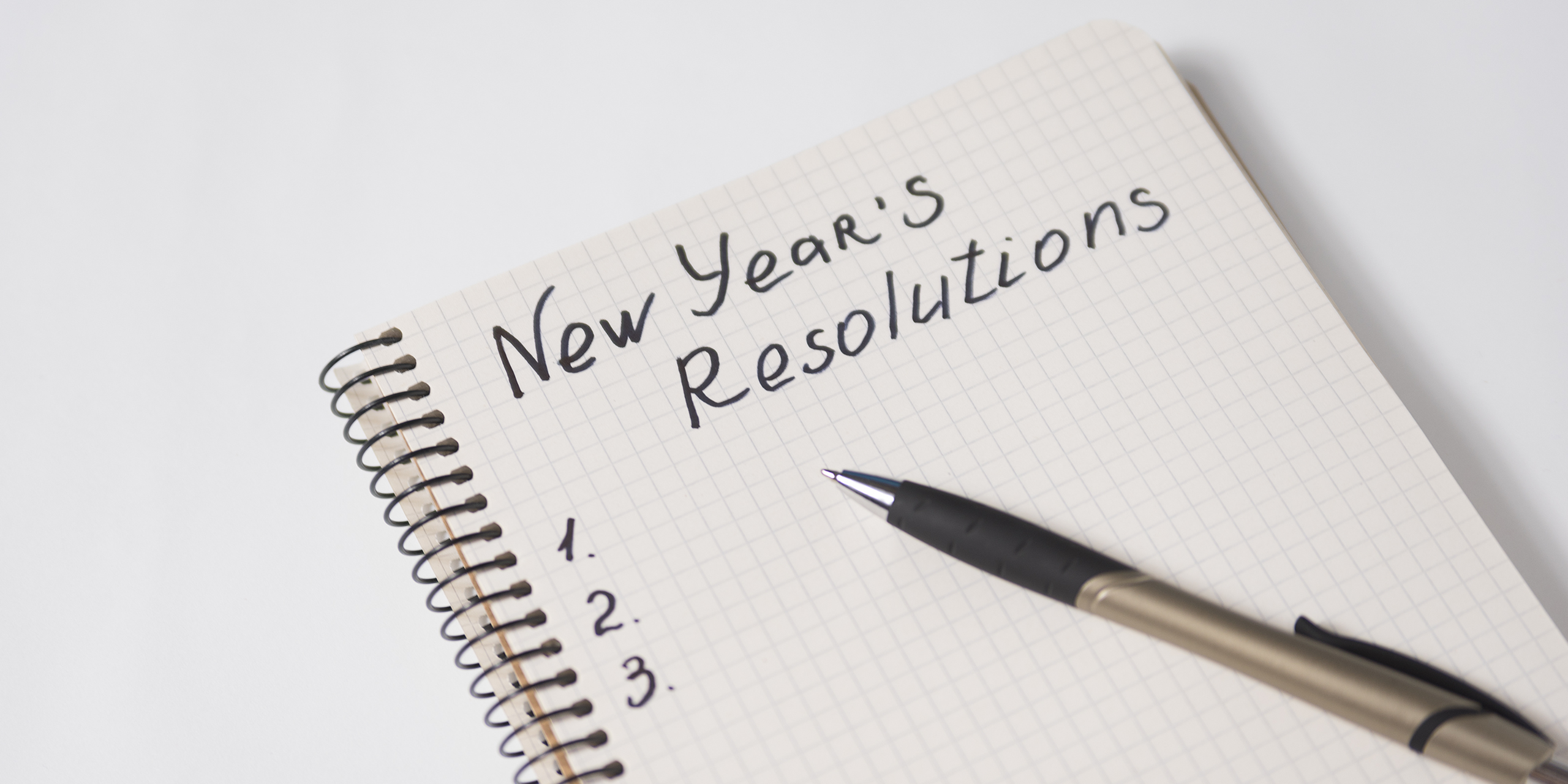
If you want this year to feel calmer, clearer and more productive, a simple plan beats wishful thinking. A new year resolutions template helps you turn good intentions into daily actions you can sustain. It takes the pressure off and gives you a proven pathway to change.
Whether you want better energy at work, a consistent exercise routine, or healthier food choices, you can build momentum with small, specific steps. In this article, we share a practical new year resolutions template, why it works, and exactly how to use it across health, performance and wellbeing. You will also find tips for workplaces that want to support their teams.
What is a New Year Resolutions Template?
It is a simple structure that translates a goal into clear actions, environments and checkpoints. It combines three behaviour change elements. Your why for motivation. Your what and when for clarity. Your how and environment for follow through.
This approach draws on behavioural science including implementation intentions which are if then plans, habit stacking, and friction management. Research shows that specific plans increase the likelihood that you will act when the moment arrives. For example, writing I will walk for 15 minutes after lunch on workdays makes the behaviour far more likely than simply I will walk more.
Why a Template Works
Clarity reduces decision fatigue. At work and at home you have limited mental bandwidth. A pre decided plan saves energy and increases consistency.
Small actions compound. Repeated behaviours wire into habits through context and repetition. One study found habits typically form over weeks as the brain links cues to actions. Consistency beats intensity.
Environment beats willpower. Making the healthy action easy and the unhelpful action harder increases success rates. This is a core principle in behaviour design and is well supported in workplace performance research.
If January feels flat, structure helps you get moving again. For more ideas, explore How To Beat The January Blues and 3 Strategies For Cultivating Motivation.
The Better Being New Year Resolutions Template
Copy, paste and personalise this new year resolutions template. Keep it visible. Review weekly.
My One Line Outcome
By 31 March I feel energised and focused, exercising three days a week and sleeping seven hours most nights.

Why This Matters
Work performance. Family time. Long term health. Mood and stress resilience.

Priority Behaviours
1. Move: 3 strength sessions per week. 20 minute brisk walk on non gym days.
2. Nourish: Protein at each meal. Pack lunch on workdays.
3. Recover: In bed by 10 pm on weeknights. No screens after 9 pm.

If Then Plans
- If it is Sunday 4 pm then I book workouts for the week.
- If it is work lunch break then I take a 15 minute walk before I eat.
- If I crave an afternoon snack then I drink water and have yoghurt or fruit.

Habit Stacks
- After I make my morning coffee I prepare my lunch box.
- After my last meeting I set a 10 minute walk and reset timer.

Environment Setup
- Keep gym bag in the car. Place runners by the door.
- Stock easy proteins eggs yoghurt tuna. Keep fruit at eye level.
- Charge phone outside the bedroom. Use an alarm clock.

Weekly Plan
- Mon Wed Fri 6.30 am strength session booked.
- Tue Thu 20 minute walk after lunch.
- Sat food shop and prep. Sun 4 pm plan and book.

Barriers And Back Up Plans
- If late finish at work then do a 15 minute home strength circuit.
- If it rains then walk indoors or climb stairs for 10 minutes.
- If I miss a day then restart at next opportunity. No doubling up.

Tracking And Review
- Tick off workouts in calendar.
- Use a simple habit tracker three boxes per day move eat sleep.
- Sunday five minute review. What worked. What needs a tweak.

Support And Accountability
- Share plan with a colleague and partner.

Rewards
- Every two weeks completed buy a new playlist or an audiobook.
How To Use This Template Step By Step
1. Choose one outcome for 12 weeks
Be specific and meaningful. A 12 week window is long enough for progress and short enough to stay focused. Example. Improve energy for work by building a consistent movement and sleep routine.
2. Define your why
Write three reasons that matter to you. When motivation dips your why keeps you going. Link to outcomes you care about such as mental clarity at work, patience with family, or long term health.
3. Limit to three priority behaviours
Less is more. Choose actions that drive most of the result. For energy and performance these usually include movement, nutrition and sleep. For more practical guidance, read 3 Tips For Goal Setting and Four New Year Resolutions That Actually Work.
4. Set if then plans for key moments
Decide your action in advance for common cues like morning, lunch break, or arriving home. This removes hesitation. Example. If the meeting ends early then I take a quick walk before checking email.
5. Stack habits onto existing routines
Attach the new action to something you already do. After I make coffee I fill my water bottle. After my last call I do ten bodyweight squats. Stacking strengthens the cue and keeps the step small.
6. Design your environment
Make the good choices obvious and easy. Prepare lunches, lay out gym clothes, move tempting snacks out of sight. Use an alarm clock and keep devices out of the bedroom to support sleep.
7. Build a simple weekly plan
Put sessions in the calendar with reminders. Aim for minimum viable actions that you can always do on a busy day. For example two twenty minute walks and one brief strength session are enough to keep momentum.
8. Expect barriers and choose back ups
Life happens. Decide your plan B and plan C now. Shorter versions count. Swaps count. One missed day is a blip, not a failure.
9. Track lightly and review weekly
Tick boxes or a simple spreadsheet is enough. Each Sunday ask. What worked. What will I tweak. Keep the focus on process not perfection.
10. Create support and accountability
Tell someone. Book a coach. Join a colleague for a walk. Social support improves adherence and makes the process more enjoyable. If stress is a barrier, see Leveraging Stress To Your Advantage and Performing Under Pressure.
Examples Using The Template
Energy And Focus At Work
- Outcome: By end of March I maintain steady energy across the day.
- Why: Better concentration and fewer errors.
- Priority behaviours: Protein rich breakfast. Ten minute walk after lunch. Screen free wind down at 9pm.
- If then: If I book meetings then I protect a 30 minute lunch break.
- Environment: Keep nuts and fruit at my desk. Phone out of the bedroom.
Strength And Fitness
- Outcome: Three strength sessions weekly and eight thousand steps per day.
- Why: Bone and muscle health and injury prevention.
- Priority behaviours: Book sessions Sundays. Walk during one meeting each day. If then. If I hit a late finish then ten minutes of bodyweight strength before dinner.
- Environment: Gym bag in car and runners by the door.
For more guidance, see Desk Exercises At Work and Resistance Training The Key To Weightloss.
Nutrition Reset
- Outcome: Prepare four work lunches weekly and include vegetables at two meals daily.
- Why: Stable energy and better focus.
- Priority behaviours: Sunday shop and prep. Pack lunch each night.
- If then: If I forget lunch then choose a protein and veg option nearby.
- Environment: Keep a lunch kit at work and a shopping list on the fridge.
Explore realistic nutrition ideas in 3 Tips For Nutrition At Work.
Common Pitfalls And Fixes
Setting too many goals
Focus on three behaviours. You can expand after four to six weeks.
All or nothing thinking
Minimum versions count. Five minutes is better than zero. Consistency wins.
Relying on willpower
Design your environment. Make the next step obvious and easy.
No review loop
Five minutes each week to adjust the plan will keep you progressing.
For Workplaces
- Set a clear wellbeing rhythm for the quarter: Align key dates and nudge staff to set one health outcome with three priority behaviours.
- Make access easy: Provide bookable micro sessions like a 20 minute movement class and share quick guides using this new year resolutions template.
- Support leaders to model the basics: Encourage walking meetings and visible recovery boundaries to normalise healthy routines for professionals.
- Build social accountability: Create opt in buddy systems or small team challenges focused on process not outcomes.
- Measure what matters: Track participation, energy and focus indicators alongside engagement. Use learnings to refine programs.
- Bring in expert support: Better Being can deliver coaching, workshops and program design grounded in evidence based performance strategies. Get in touch with Better Being.
Key Takeaways
- A simple new year resolutions template turns intentions into specific actions, environments and check ins.
- Clarity, small steps and environment design reduce friction and improve follow through at work and at home.
- Limit goals to three priority behaviours and use if then plans and habit stacking to make them stick.
- Track lightly and review weekly. Consistency over perfection builds lasting habits and sustainable behaviour change.
- Workplaces can boost outcomes by making healthy actions easy, visible and socially supported.
If you want personalised support to apply this new year resolutions template and build sustainable routines, get in touch with Better Being.