
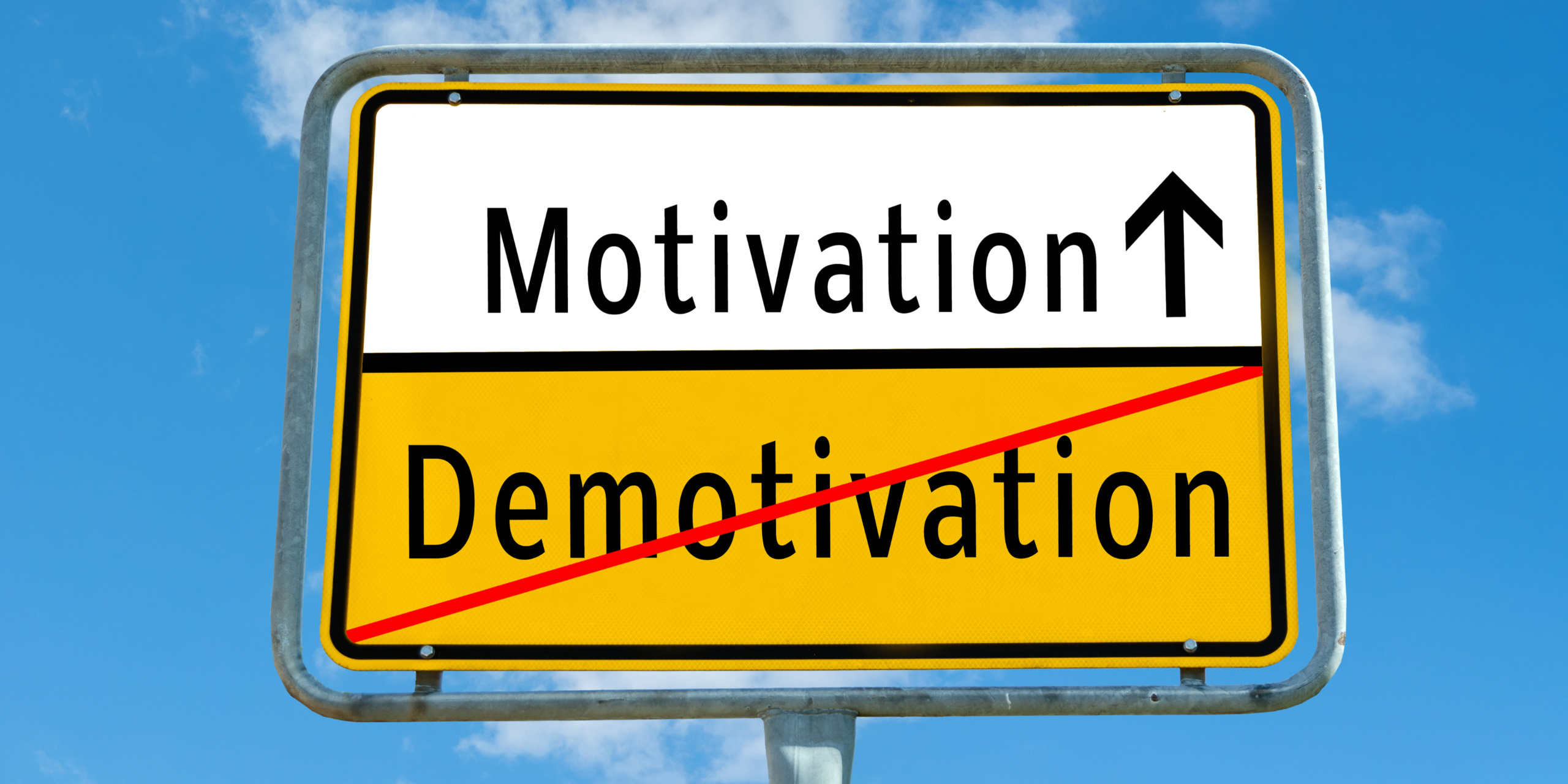
If you have asked yourself can motivation be taught, you are not alone. Many high performing professionals feel their drive comes and goes. You might start the week clear and focused then feel flat by Thursday. The good news is that motivation is not a fixed trait. It can be learned and strengthened with the right environment and habits.
In this article we look at what science and psychology say about how motivation works and how you can build it. We will translate the research into practical steps for your day and your team. By the end you will know how to shape conditions that make the next action easier and more likely to stick.
What is Motivation?
Motivation is the energy and direction behind behaviour. It is what gets you to start and what keeps you going. Psychology describes different qualities of motivation. When the reason comes from within such as purpose mastery or alignment with values you feel more engaged. When it comes from outside such as rewards or pressure the effect can be short lived.
Self Determination Theory explains that three needs fuel high quality motivation. These are autonomy feeling you have choice competence feeling capable and relatedness feeling connected to others. When these needs are supported people show better focus persistence and wellbeing. You can design your routines and workplace to support these needs.
Why it Matters
Motivation shapes what you do today and what you achieve over time. When your motivation is mostly external you rely on willpower which tires quickly. When it is internal you create a stable engine for consistent habits. Research shows that supporting autonomy competence and relatedness improves performance and mental health in work sport and education. See foundational work from Edward Deci and Richard Ryan at the Centre for Self Determination Theory here.
Mindset also plays a role. A growth mindset the belief that skills can improve with effort encourages learning and persistence. When you see effort as a path to mastery setbacks become data not a verdict.
Behavioural science adds two practical levers. First create clear cues and friction free actions so the next step is obvious. Second use implementation intentions which are simple if then plans that double the chance of follow through in many settings. For example ‘if it is 3pm then I will take a ten minute walk meeting’.
Finally emotion and physiology matter. Sleep nutrition and movement influence dopamine and cortisol which affect motivation and focus. Consistent exercise improves mood and cognitive function which makes starting tasks easier. For a quick read on exercise and performance visit our blog on how exercise supports employee performance here.
How To Build Teachable Motivation
1. Anchor Your Why
Write a simple sentence that links your goal to something that matters. Why do you want to improve energy or fitness or focus Answer in terms of outcomes you care about such as being present with family or leading better at work. This increases internal motivation by connecting the task to values.
Tip: Set a two minute calendar reminder each morning to read your why. Put it where you will see it such as the start of your workday.
2. Make It Tiny And Timed
Start with a micro action that you can do even on a busy day. Five push ups after your morning coffee. One minute of breath work before your first meeting. A ten minute walk after lunch. Small wins train competence which builds momentum.
Use an if then plan. If it is after lunch then I will walk around the block. If it is 4 pm then I will prepare a protein rich snack. Implementation intentions reduce decision fatigue and increase follow through.
3. Design Your Environment
Shape your space so the desired action is easy and the unhelpful one is less convenient. Place your shoes by the door and your water bottle on your desk. Move snacks out of sight and place fruit within reach. Environment beats willpower because it removes friction.
Tip: Batch prep on Sunday. Pack gym gear in your car. Create a standing calendar invite for a walking meeting. For more simple nutrition ideas for busy days see our tips for nutrition at work here.
4. Track Progress And Celebrate Small Wins
What gets measured gets maintained. Track one metric that matters such as minutes walked sessions completed or sleep hours. Celebrate streaks with a simple tick or a message to a colleague. Recognition releases dopamine which reinforces the habit loop.
Tip: Use a whiteboard or a notes app. Keep it visible. Review weekly and adjust the target by ten percent at most to keep competence high.
5. Build Accountability And Belonging
Motivation grows with social support. Share your plan with a colleague or join a team challenge. Book a session with a coach to guide your next steps. Relatedness turns effort into a shared mission and increases persistence.
6. Use Mental Contrasting And WOOP
WOOP stands for Wish Outcome Obstacle Plan. Picture the goal then name the likely obstacle then set an action plan for when the obstacle appears. This method improves follow through across health and work settings. A quick overview is available from Gabriele Oettingen’s research group here.
Example:
- Wish: Finish work with energy.
- Outcome: Feel clear and present at home.
- Obstacle: Late afternoon slump.
- Plan: If it is 3pm then I will have water and a five minute stretch before my final meeting.
7. Protect The Physiological Basics
Motivation drops when you are underslept under fuelled or inactive. Aim for seven to nine hours of sleep most nights. Eat regular balanced meals with protein and fibre to stabilise energy. Move every ninety minutes to refresh focus. These basics support neurotransmitters that regulate drive.
For more on sleep and performance read our guide on the impact of sleep on employee performance here.
8. Set Process Goals Not Just Outcome Goals
Outcome goals are the result. Process goals are the actions. You control actions not outcomes. Commit to actions such as three strength sessions per week or two screen free evenings. This reinforces a growth mindset and keeps motivation steady.
For simple goal setting ideas see our three tips for goal setting here.
9. Reframe Stress As Useful When Appropriate
A certain level of stress can sharpen focus and fuel action. The key is to interpret sensations like a fast heartbeat as your body preparing you to perform. This shift improves performance under pressure.
Explore how to leverage stress to your advantage here and our article on performing under pressure here.
10. Review And Adjust Every Two Weeks
Motivation is dynamic. Check in fortnightly. What worked What got in the way What is the smallest next improvement Make one change at a time. Consistency beats intensity over the long term.
For Workplaces
- Clarify meaningful goals: Link wellbeing actions to business outcomes and personal values. Share stories from leaders who model the behaviour.
- Support autonomy: Offer choice in activities times and formats. Provide flexible options for participation.
- Build competence: Provide short skill sessions such as habit building or energy management. Offer quick wins and clear pathways for progression.
- Create social support: Set up walking meetings and small team challenges. Encourage buddy systems and manager check ins.
- Make the healthy choice easy: Provide water stations healthy snacks and visible prompts for movement. Create bookable spaces for stretch or breath work.
- Recognise effort publicly: Celebrate process milestones not just outcomes. Share weekly highlights to reinforce momentum.
- Measure and iterate: Track participation energy and simple lead indicators. Use insights to refine the program and reduce barriers.
If you are building a program and want ideas on engagement read our guide to boosting employee engagement in wellbeing programs here and how to avoid common mistakes in program design here. For strategy support and ROI framing see our overview on measuring your employee wellbeing program here.
Key Takeaways
- Can motivation be taught? Yes. It grows when autonomy competence and relatedness are supported and when habits are designed well.
- Purpose plus tiny actions beat willpower. Anchor your why then use if then plans to make the next step automatic.
- Environment design reduces friction. Put cues in sight and make healthy actions the easy default.
- Physiology drives psychology. Sleep nutrition and movement stabilise energy and the brain chemicals behind drive.
- Workplaces can teach motivation by offering choice building skills and recognising effort. Small changes compound into culture.
If you want tailored support to build motivation based habits for your organisation get in touch with Better Being.


