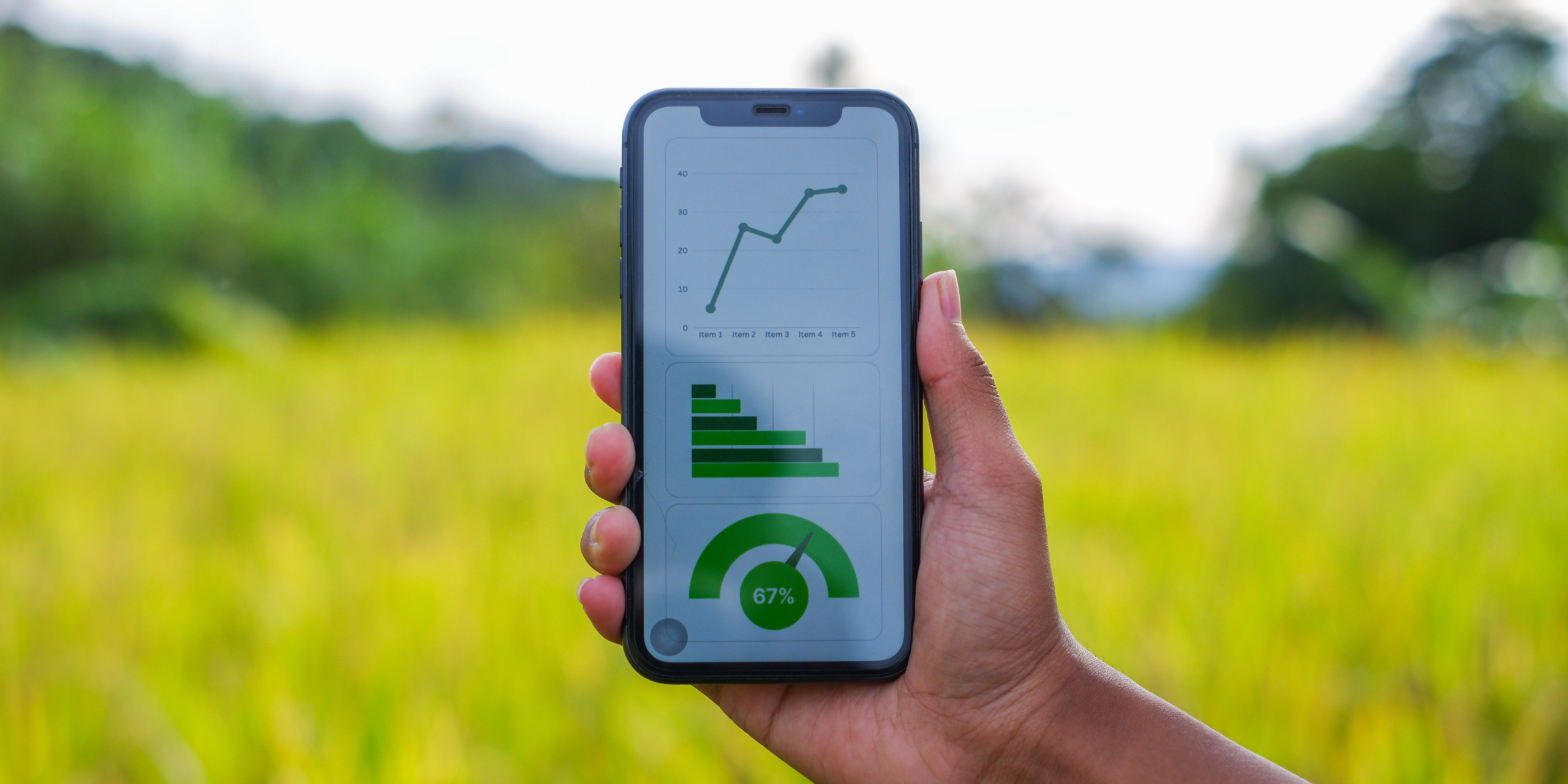
Mental Health First Aid (MHFA) is one of the most practical ways to build a safer, more supportive workplace. But once people complete the course, the real challenge begins. How do you keep track of who is trained, when refreshers are due, and whether the skills are being used day to day. If you have asked what digital tools help track mental health first aid progress and certification, you are in the right place.
In this guide we outline the best in class digital tools to manage training pathways, monitor certification status, and measure real behaviour change. You will find simple steps to set this up in your organisation, plus tips to streamline reminders, reporting, and governance.
What is Mental Health First Aid Tracking?
Tracking means using a clear system to record who has enrolled, completed, and renewed MHFA, and whether people are applying the skills. It combines three layers. Learning data for enrolment and completion. Credential data for certificates, badges, and expiry dates. Impact data that shows whether training is improving confidence, help seeking, and support pathways.
In Australia, MHFA certifications typically require refreshers to stay current. You can read the current guidance on refresher timelines and certification through
Mental Health First Aid Australia. The right digital setup makes those cycles automatic rather than manual.
Why it Matters
Good tracking protects people and reduces risk. Without a system, trained staff lapse, leaders lose visibility, and programs stall. With a system, you keep capability active across teams and sites, even with turnover and leave.
From a performance and safety perspective, timely support can reduce escalation, time off work, and compensation claims. Safe, confident conversations also strengthen culture and psychological safety. For additional context on why proactive approaches matter for risk and performance, explore our article on
workplace mental health claims set to double by 2030.
Finally, data helps you show value. When you can report participation, coverage by role and location, and leading indicators like confidence and early support, it is far easier to secure investment and scale. For help on program evaluation, see our guide on
how to measure your employee wellbeing program and how to present the
ROI of wellbeing programs.
Digital Tools For Tracking Mental Health First Aid Training And Certification
If you are wondering what digital tools help track MHFA progress and certification, here is a practical stack that most Australian organisations can implement with existing platforms.
Learning Management System
What it does: Manages enrolments, attendance, completions, and refresher assignments. Sends reminders and integrates with calendars. Popular examples include Workday Learning, SAP SuccessFactors Learning, Cornerstone, Moodle, and Canvas.
Why it helps: Centralised records reduce manual spreadsheets and improve audit readiness. Automated learning paths make refreshers effortless.
Set up tip: Create a learning pathway with the core course plus refresher modules. Add rules to assign the refresher at a chosen interval and send escalating reminders to the learner and their manager.
Credential And Digital Badging Platform
What it does: Issues shareable certificates and badges, tracks expiry dates, and enables quick verification through links or QR codes. Platforms like Credly, Accredible, or LMS native certificates work well.
Why it helps: Clear evidence of current certification builds confidence and simplifies compliance checks for high risk roles or customer facing teams.
Set up tip: Configure badges to expire on the refresher deadline. Place verification links on intranet team pages so leaders can check coverage in seconds.
HRIS Or People Analytics
What it does: Combines training data with role, location, roster, and reporting line. Examples include Workday, SAP SuccessFactors, Oracle, and Employment Hero.
Why it helps: You can see coverage where it matters most. For example, at least one Mental Health First Aider per shift or a specific ratio in field teams.
Set up tip: Create dashboards that show coverage by business unit, site, and leader. Flag gaps and upcoming expiries for targeted action.
Survey And Pulse Tools
What it does: Captures pre and post training metrics such as confidence to start a conversation, willingness to seek help, and awareness of support services. Tools like Microsoft Forms, Qualtrics, or Culture Amp work well.
Why it helps: Measures change in knowledge and behaviour, not just attendance. This underpins ROI reporting and continuous improvement.
Set up tip: Pair a short three minute pre survey with a post survey at two weeks and three months to assess retention and real world use.
Case Logging And Support Pathway Visibility
What it does: Tracks confidential referrals to Employee Assistance Programs (EAPs) and internal supports in aggregate. Many EAPs provide de identified usage dashboards and categories of presenting issues.
Why it helps: Shows if awareness and early support are improving after training. Data stays de identified to protect privacy.
Set up tip: Align survey questions with EAP categories so trends can be compared over time.
Communication And Reminder Tools
What it does: Automates nudges through Outlook, Teams, Slack, or SMS to keep refreshers on track.
Why it helps: Reduces chasing and keeps momentum, especially for shift workers or remote teams.
Set up tip: Send brief reminders at ninety, thirty, and seven days before expiry. Include a one click link to book a refresher session.
Business Intelligence Dashboards
What it does: Pulls data from LMS, HRIS, surveys, and EAP into a single view using Power BI, Tableau, or Google Looker Studio.
Why it helps: Leaders see coverage, expiries, impact metrics, and heat maps for risk and demand. This enables smarter investment and timely action.
Set up tip: Create a one page executive view with four tiles. Coverage, expiries in ninety days, confidence shift since training, and help seeking trend.
How To Build Your Tracking System
Step One: Map Your Data
Define the fields you will capture and who owns them. At minimum collect learner name, employee ID, role, location, manager, course type, date completed, certificate ID or badge link, expiry date, refresher assigned, and status. Add pre and post survey scores and de identified EAP utilisation rate to track impact.
Step Two: Standardise The Learning Pathway
Create one Mental Health First Aid pathway in your LMS that includes the initial course and scheduled refresher. Lock in automated assignment rules for target roles such as people leaders, health and safety reps, and frontline teams.
Step Three: Automate Reminders And Approvals
Configure email or Teams reminders at set intervals before expiry. Route approvals to managers if you use workshop time or paid training hours. Include clear booking links and support contacts.
Step Four: Issue Digital Credentials
Issue certificates or badges on completion with a visible expiry date. Store links in the LMS record and display current first aiders on an intranet page so staff know who to contact.
Step Five: Measure Confidence And Use
Run short pre and post surveys to measure knowledge, confidence, and intent to use skills. At three months, ask whether they have supported someone and whether they used the action plan. Keep responses anonymous to encourage honesty.
Step Six: Report And Improve
Build a dashboard that shows coverage by site and role, expiries due, survey shifts, and high level EAP trends. Share a monthly snapshot with leaders and a quarterly deep dive with governance committees. Use insights to refine cohorts, scheduling, and content refreshers.
Common Pitfalls And How To Avoid Them
- Relying on spreadsheets. Move to your LMS and HRIS to reduce errors and manual effort.
- Training without role targeting. Prioritise leaders, safety reps, and customer facing teams first, then expand.
- Ignoring refreshers. Treat expiry like any other compliance date and automate communications.
- Measuring only attendance. Add short surveys and outcome indicators to show real change.
- Weak communication. Promote who your current first aiders are and how to contact them.
What Employers Can Do?
- Define coverage targets: Set a clear ratio of Mental Health First Aiders per site, shift, or headcount.
- Make it easy to book: Offer multiple workshop times and a simple one click booking link.
- Automate refreshers: Use LMS rules and calendar reminders to prevent lapses.
- Show who is trained: Publish a current list on the intranet with location and contact details.
- Measure what matters: Track confidence, early support, and referral awareness, not just completions.
- Protect privacy: Use de identified data and clear governance for any impact reporting.
- Support leaders: Provide cheat sheets, conversation guides, and escalation pathways.
- Partner for scale: Engage a specialist to deliver training and build dashboards if internal capacity is limited.
To learn more about creating a sustainable culture and the role of leadership, see our pieces on
leadership in wellbeing programs and
building psychological safety through leadership.
Governance And Compliance Essentials
- Use clear ownership: Assign single points of accountability for the LMS pathway, credential issuance, and dashboarding.
- Document the process: Keep a simple one page playbook that outlines how data flows, who approves, and how reminders work.
- Align with policy: Reference internal policies for training, privacy, and record retention. For external guidance on program requirements and refreshers, refer to Mental Health First Aid Australia refresher information.
- Close the loop: After any incident review, check whether trained first aiders were available and whether refresher timelines were current.
Simple Template To Start
Use these fields in your LMS or a secure register if you are getting started.
- Employee name and ID
- Role and location
- Manager
- Course type and provider
- Date completed
- Certificate or badge link
- Expiry date
- Refresher assigned and status
- Pre survey and post survey scores
- Notes for support resources awareness
Key Takeaways
- If you are asking what digital tools help track mental health first aid progress and certification, start with your LMS, a credential platform, and simple surveys.
- Automated pathways and reminders protect coverage and reduce manual effort.
- Link learning data with roles and locations so you can target high need teams.
- Measure behaviour change through short pre and post surveys and de identified support trends.
- Clear governance and visible first aider lists build confidence and improve access to early help.
READY TO IMPLEMENT A WELLBEING PROGRAM WITH TANGIBLE BENEFITS FOR EVERYONE INVOLVED?