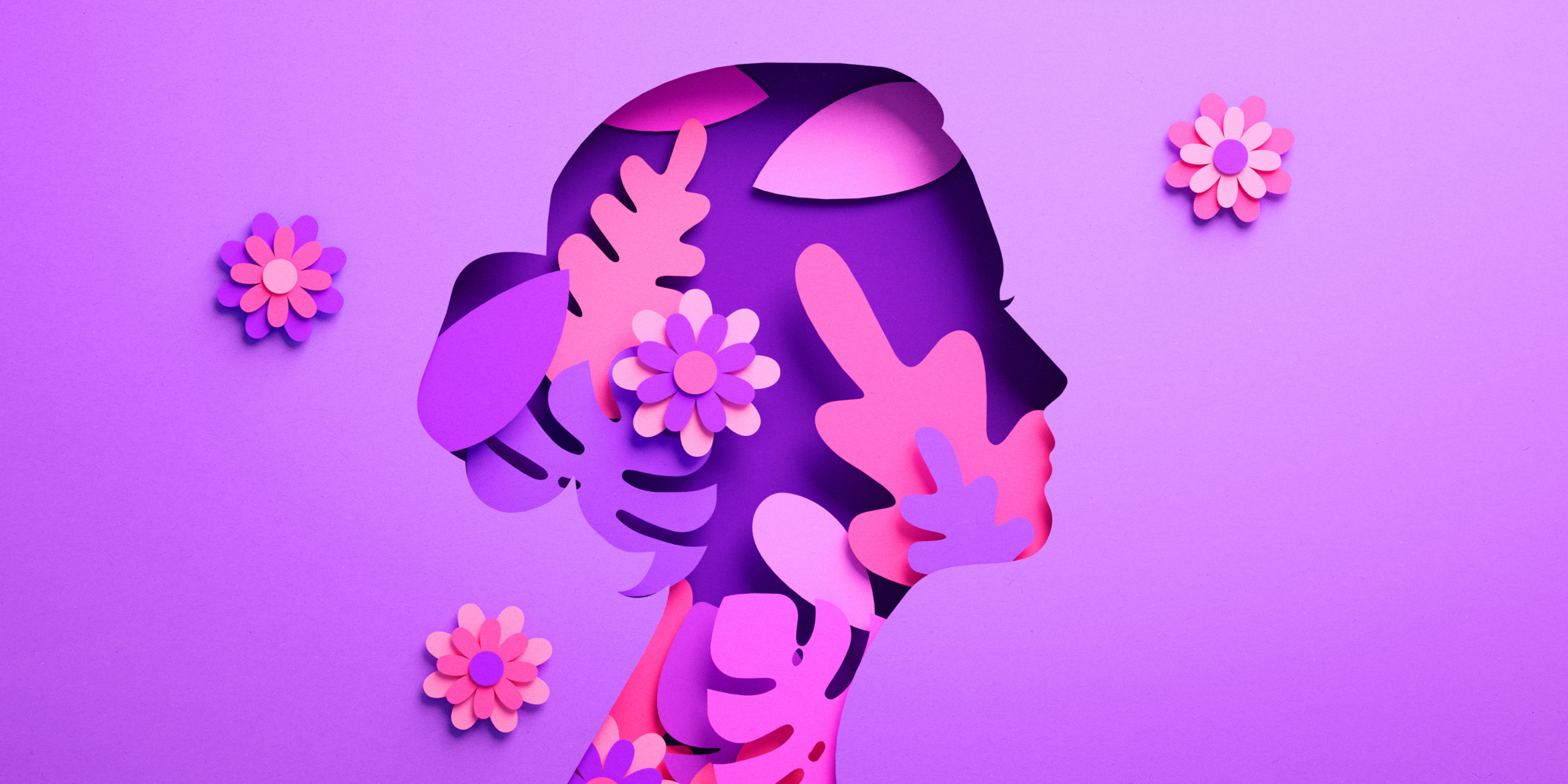
Powerful visuals can turn good intent into real action. If you want your International Women’s Day graphic to do more than gather likes, it needs to be inclusive, accessible, and connected to meaningful behaviour change at work. When done well, a single image or motion tile can spark conversation, drive attendance at events, and reinforce a culture that champions equity year round.
In this article, we unpack the science of what makes visuals persuasive, show you how to design an International Women’s Day graphic that resonates, and outline simple steps for workplaces to amplify impact across the organisation.
What is an Impactful International Women’s Day Graphic?
It is a visual that communicates a clear message about gender equity, invites participation, and is accessible to everyone. It reflects diverse women, avoids stereotypes, and links the moment to ongoing action like mentoring, flexible work, and wellbeing support. It can be a static tile, carousel, short video, or poster suite adapted for screens and in person events.
Why it Matters
Visuals shape attention and memory. Simple, high contrast graphics improve readability and recall, which increases the chance that people notice your event and take action. Evidence from behaviour science shows that clear calls to action and timely prompts increase follow through because they reduce friction and decision fatigue.
There is also a broader business case. Advancing gender equity is linked with stronger organisational performance and healthier teams. Global reporting shows that companies that invest in women progress faster on leadership representation and culture. You can explore the latest landscape in the Women in the Workplace study by
McKinsey. On a global level, the mission of International Women’s Day is outlined by
UN Women, which highlights the role of awareness and advocacy.
For Better Being clients, visuals are part of a bigger system. Graphics cue the behaviour you want next, whether it is attending a panel, booking a wellbeing session, or starting a conversation in a team meeting.
How to Create Visuals That Inspire Action
Use these steps to turn your idea into an International Women’s Day graphic that people remember and act on.
1. Start With One Message And One Action
Decide the single outcome you want. Is it event registration, sharing a story, or committing to a mentoring session. Write one sentence that states the benefit and the action. Example: Join the panel to learn practical ways to support women’s progression this year.
Why it works: Clarity beats complexity. One message reduces cognitive load and improves recall.
2. Design For Accessibility First
Use large font sizes, strong colour contrast, and a clean typeface. Keep text to five to nine words per line. Add alt text that conveys the key message. Ensure your International Women’s Day graphic is legible on mobiles and digital signage.
Tip: Test your tile in grayscale to check contrast. Read it at arm’s length on your phone.
3. Reflect Real Diversity
Show a mix of ages, cultures, abilities, and roles. Avoid tokenism. Use authentic photography from your own teams where possible. If using illustrations, choose styles that are inclusive and respectful.
Why it works: People engage when they feel seen, which supports belonging and participation.
4. Pair Data With Story
Combine a short stat with a human quote. Example: Only one in three leadership roles is held by women in Australia, alongside a quote from a colleague about what support helped her thrive. Attribute your stat to a credible source.
Why it works: Numbers provide credibility and stories build emotion, which together drive action.
5. Create A Mini System Not A One Off Tile
Build a set of assets that ladder to the same action. For example, a save the date, a speaker reveal, a countdown, a day of tile, and a thank you tile with next steps. Keep consistent colour, typography, and message hierarchy.
Tip: Use a simple template so local teams can adapt dates and venues without changing the core message.
6. Make The Call To Action Easy
Add a short URL or QR code that lands on a clean page with one button. Avoid forms with too many fields. Add calendar links on the thank you page.
Why it works: Reducing steps and decisions increases completion rates.
7. Time Your Releases
Post the first teaser two weeks out, the key invite one week out, reminders at three days and on the morning. Share highlights and next steps the day after. Align with Australian time zones and lunch breaks for peak visibility.
8. Add Movement Thoughtfully
Short motion graphics or subtle text reveals can increase attention if they are smooth and calm. Always provide captions for any voiceover and include a static alternative for email or intranet.
9. Connect To Year Round Action
Include a follow on action beyond the day. Link to mentoring sign ups, psychological safety training, or wellbeing coaching. For ideas on building supportive cultures, explore
Supporting Women’s Wellbeing In The Workplace and
Building Psychological Safety Through Leadership.
10. Measure And Learn
Track opens, clicks, RSVPs, attendance, and post event actions like bookings for coaching. Gather qualitative feedback on how inclusive the visuals felt. Use insights to refine your next International Women’s Day graphic.
International Women’s Day Graphic Template
Copy and adapt this simple framework for your next tile or poster.
- Headline: Eight to ten words that state the benefit and the ask. Example: Celebrate progress and learn practical ways to support equity.
- Subhead: One sentence on what to expect. Example: Join our lunchtime panel with leaders and emerging talent.
- Call to action: Clear verb and date. Example: Register by 1 March.
- Visual: Authentic photo of team members or inclusive illustration.
- Footer: Logo, short URL or QR, accessibility note, alt text description.
Messaging Prompts You Can Use
- Prompt one: What is one action your team will take to remove a barrier for women this quarter.
- Prompt two: Which policy or habit helps women thrive here and how can we scale it.
- Prompt three: Who is a woman you learned from at work and what did she teach you.
Distribution Checklist
- Intranet feature tile with alt text and a direct link to register.
- Email banner for leaders to include in their weekly notes with a one sentence script.
- Digital signage screens in lifts and kitchens timed for morning and lunch.
- Collaboration tools banner and a pinned post in key channels.
- Printed A4 poster for offices where digital reach is limited.
For Workplaces: How to Amplify Impact
- Set a clear objective: Choose one measurable outcome such as event attendance or mentoring sign ups and design around it.
- Enable leaders: Provide a message pack with talking points and the core International Women’s Day graphic for team meetings.
- Make access easy: Offer multiple ways to join such as in person and live stream with captions and a recording.
- Show ongoing commitment: Announce a concrete policy or program update alongside your visuals.
- Measure ROI: Track participation, engagement, and follow on actions. Link to performance markers like retention and wellbeing survey scores.
- Partner with experts: If you want evidence based sessions on resilience, energy, and leadership health, Better Being can design and deliver. Explore Boosting Employee Engagement With Wellbeing Programs and Positive Psychology In Corporate Wellbeing.
Common Mistakes to Avoid
- Overloading text: Crowded tiles get skipped. Keep it simple.
- Generic stock images: Choose authentic visuals that reflect your people.
- No clear next step: Always include one obvious action and an easy path.
- One day focus only: Tie your message to year long initiatives and support.
- Accessibility gaps: Check contrast, alt text, captions, and readability on small screens.
Key Takeaways
- A strong International Women’s Day graphic uses one message, one action, and inclusive design to win attention and drive behaviour.
- Accessibility is non negotiable. Contrast, clear type, captions, and alt text improve reach and impact.
- Pair data with story to build credibility and emotion that moves people to act.
- Think in systems. A small suite of visuals outperforms a single post and supports consistent messaging.
- Connect visuals to real programs like mentoring, flexible work, and wellbeing coaching to create lasting change.
- Measure outcomes and learn so next year’s International Women’s Day graphic is even more effective.
If you want tailored support to design inclusive campaigns that drive real behaviour change, we would love to help.
Get in touch with Better Being.
READY TO IMPLEMENT A WELLBEING PROGRAM WITH TANGIBLE BENEFITS FOR EVERYONE INVOLVED?