
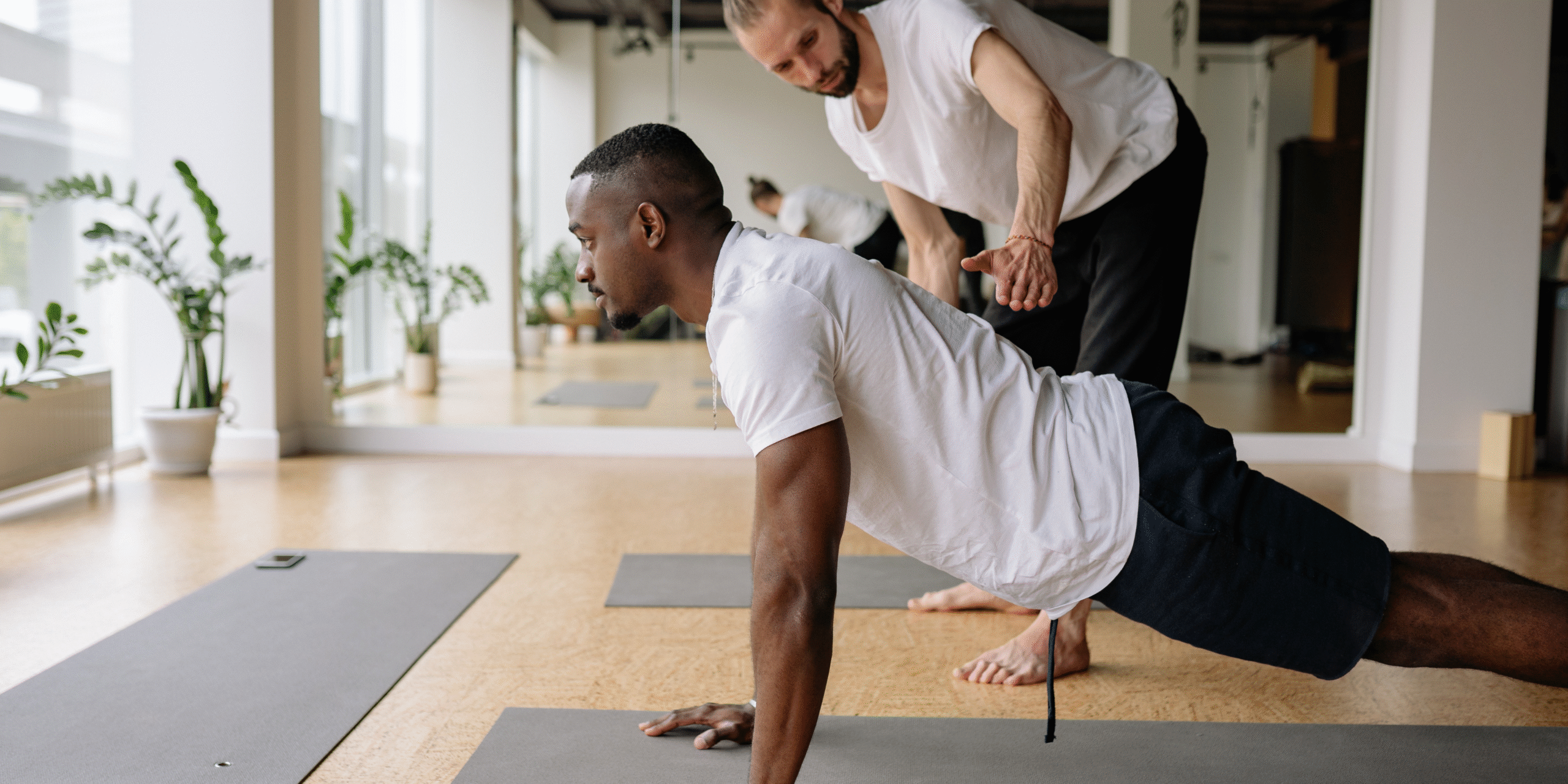
If your team is sitting more, moving less, and feeling the strain of constant deadlines, you are not alone. Services providing personalised fitness coaching for corporate teams are becoming a practical answer for organisations that want healthier people and better performance at work.
Generic wellness offerings often sound good on paper but fall flat in real life. A once off step challenge or a recorded workout library might create a short burst of interest, yet it rarely changes behaviour in a lasting way. People need support that reflects their role, schedule, fitness level, motivation, and barriers.
That is where personalised fitness coaching services for corporate teams stand out. They help employees build realistic movement habits, improve energy, reduce injury risk, and feel more capable at work and outside it. In this article, we will break down what these services involve, why they matter, and how to make them work in a modern workplace.
What is Personalised Fitness Coaching For Corporate Teams?
Services providing personalised fitness coaching for corporate teams are structured wellbeing services that tailor exercise support to the needs of employees and the organisation. Rather than delivering the same advice to everyone, coaching is adapted to each person’s starting point, goals, work demands, and health considerations.
This can include one on one coaching, small group training, movement assessments, desk based mobility sessions, habit coaching, education workshops, recovery strategies, and progress tracking. For some teams, the focus may be strength and posture. For others, it may be stress management, energy, injury prevention, or building confidence to return to exercise.
A common myth is that fitness coaching at work only suits already active staff. In reality, the best programs meet people where they are. That might mean helping one employee train for a fun run while helping another simply move comfortably after long hours at a desk.
When personalised coaching is done well, it is not about pushing intensity. It is about sustainable behaviour change that supports health, focus, and performance.
Why It Matters
Movement has a direct impact on how people feel and function at work. According to the World Health Organisation, regular physical activity helps reduce the risk of major chronic diseases and supports mental health, sleep, and overall wellbeing. For office based teams, this matters because long periods of sitting can contribute to discomfort, lower energy, and poorer metabolic health over time.
There is also a strong performance case. The Australian Government Department of Health and Aged Care highlights that regular activity supports both physical and mental wellbeing. In practical terms, that can mean sharper concentration, better mood regulation, improved resilience, and more consistent energy across the workday.
For employers, the benefits go beyond individual health. Well designed movement strategies can support engagement, reduce presenteeism, and strengthen workplace culture. If you want a deeper look at the connection between movement and performance, Better Being has explored this in Exercise And Employee Performance Enhancing Wellbeing.
Personalised coaching matters because behaviour change is rarely solved by information alone. Most people already know exercise is good for them. What they need is guidance that makes action easier. Accountability, personal relevance, and small wins are what help habits stick.
This is especially important in Australian workplaces where long commutes, hybrid schedules, back to back meetings, and family responsibilities can quickly push exercise down the list. A tailored approach respects those realities instead of ignoring them.
How To Build Personalised Fitness Coaching Into Corporate Teams
1. Start with individual needs
Begin with a simple assessment of goals, movement history, current capacity, and barriers. This matters because a team includes different ages, fitness levels, injuries, and confidence levels. One size fits all programs often lose people early.
A practical tip is to use a short onboarding survey and optional health screen before coaching begins. This helps staff feel seen and reduces the chance of giving generic advice that does not fit.
2. Focus on realistic movement habits
The best recommendation is the one a person can actually maintain. For many employees, this means starting with short sessions, walking breaks, mobility work, or two strength sessions each week rather than aiming for an unrealistic overhaul.
This works because consistency builds fitness, confidence, and self belief. A team member who commits to three twenty minute sessions per week is often better off than someone who plans for six and gives up by week two.
Encourage staff to connect movement to their existing routine. For example, they might do a ten minute mobility session before logging on, walk during a lunch break, or schedule training on the same days they commute to the office.
3. Match coaching to work demands
Personalised fitness coaching services for corporate teams should reflect the actual pressures people face. Senior leaders may need strategies for travel and recovery. Customer service teams may need short sessions around shift patterns. Desk based staff may need posture and shoulder support.
This matters because coaching that ignores the work environment rarely lasts. If your people are in meetings all day, they need options that fit around that reality.
4. Build education with coaching
Exercise support is stronger when staff understand why it matters. Short education sessions on recovery, sleep, mobility, or nutrition can help people make better daily choices and get more from their training.
This is useful because energy and performance are shaped by more than workouts alone. Sleep, stress, and food all affect training consistency and recovery. Better Being explores this broader picture in Impact Of Sleep On Employee Performance and 3 Tips For Nutrition At Work.
A simple example is teaching staff how a short walk after lunch can improve alertness in the afternoon while also helping them break up sedentary time.
5. Make progress visible
Tracking helps people stay engaged. Progress does not have to mean body weight or appearance. It can include energy, strength, mobility, consistency, confidence, reduced pain, or improved mood.
This matters because visible wins reinforce behaviour. When employees notice they are less stiff in the afternoon or more focused in meetings, exercise stops feeling like another task and starts feeling worthwhile.
Keep tracking simple. A monthly check in, a short survey, or a coach review can be enough to show momentum.
6. Support all fitness levels
Inclusive coaching is essential. Some employees will love group challenges. Others will feel intimidated by them. Personalisation helps create psychologically safe entry points for everyone.
This can be as simple as offering beginner, intermediate, and advanced options, or allowing private coaching for people returning after injury, illness, or long periods of inactivity.
If you are looking at the wider value of coaching support, Better Being’s article 5 Benefits Of Employee Wellbeing Coaching is a useful read.
What Can Employers Do?
- Assess team needs: Use surveys, health data, and staff feedback to understand what support people actually want and will use.
- Offer flexible formats: Provide a mix of one on one coaching, virtual sessions, onsite delivery, and short group classes to suit hybrid teams.
- Normalise participation: Encourage leaders to model healthy behaviour so exercise support feels accepted rather than optional in name only.
- Protect time for movement: Build walking meetings, active breaks, or training windows into the workday where possible.
- Measure outcomes: Track participation, satisfaction, energy, absenteeism, and productivity indicators to understand impact over time.
- Connect fitness to business goals: Position coaching as part of performance, retention, culture, and risk reduction rather than a perk alone.
- Partner with experts: Work with providers who understand both behaviour change and workplace realities.
From an ROI perspective, personalised fitness coaching can support lower injury risk, better engagement, and improved day to day functioning. It can also strengthen your broader wellbeing strategy. Better Being has written about this in ROI Of Employee Wellbeing Program and How Effective Are Workplace Wellbeing Programs.
Importantly, coaching should not sit in isolation. It works best when linked to leadership support, healthy work design, and a broader culture that values sustainable performance.
Key Takeaways
- Services providing personalised fitness coaching for corporate teams help employees build realistic movement habits that fit their actual work and life demands.
- Tailored coaching is more effective than generic wellness content because it addresses individual goals, barriers, confidence, and capacity.
- Regular movement supports physical health, mood, focus, and energy, which can improve both wellbeing and workplace performance.
- Inclusive program design matters because corporate teams include people with very different fitness levels, schedules, and health needs.
- For employers, personalised coaching can support engagement, reduce presenteeism, and add measurable value to a wider wellbeing strategy.
- Small, consistent changes usually outperform intense short term efforts, especially in busy professional environments.
If you are ready to support your people with practical, evidence informed coaching, get in touch with Better Being for tailored support.


