
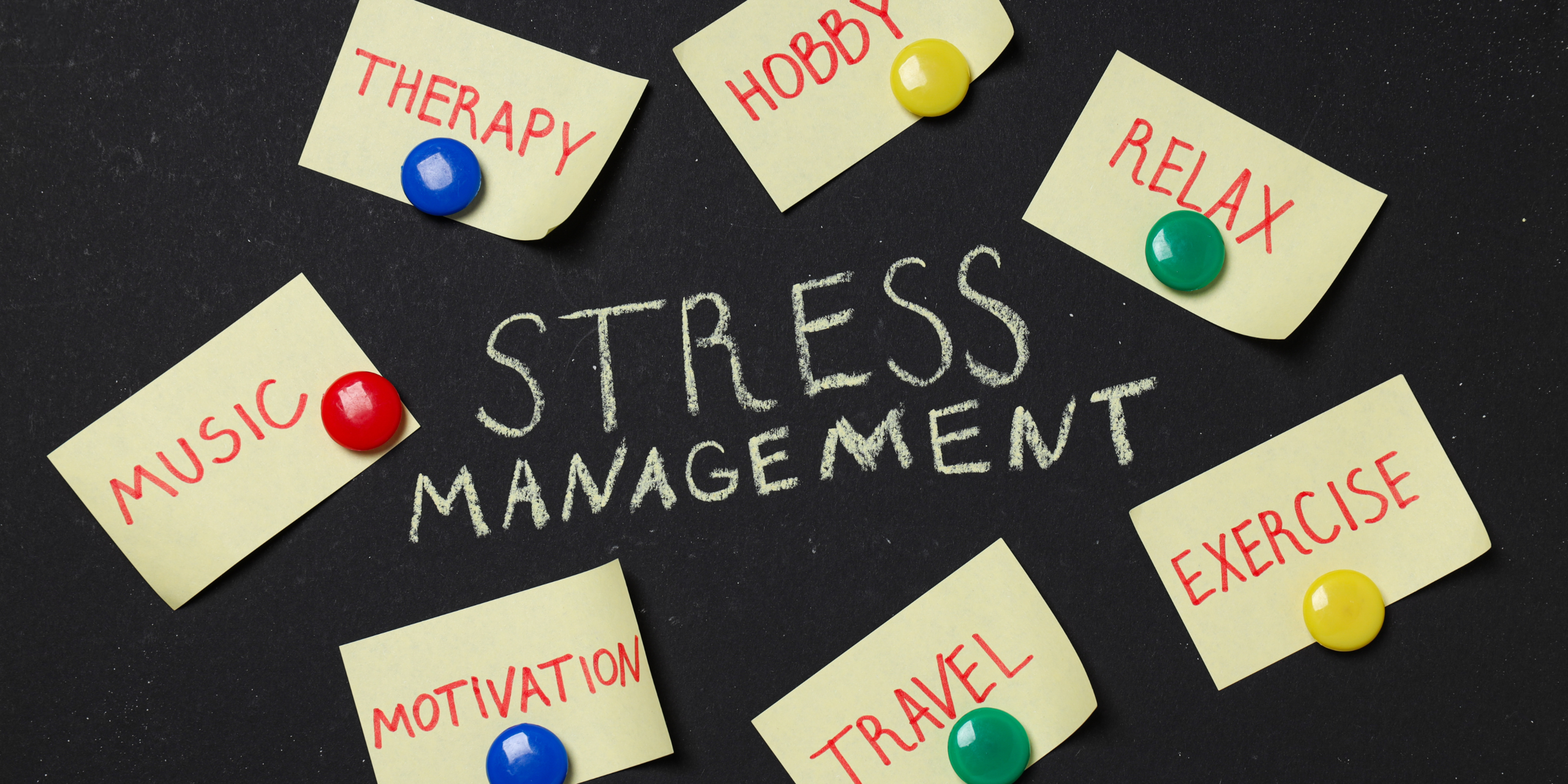
Stress has become a normal part of work for many Australians, but normal does not mean harmless. When pressure is constant, it can affect focus, energy, sleep, mood, and the way people show up at work and at home. Over time, unmanaged stress can also drive absenteeism, disengagement, and burnout across a team.
That is why corporate wellness programs that target stress relief matter. The best programs do more than offer a one off wellness activity or a generic mindfulness session. They help people build practical skills, healthier routines, and a workplace culture that supports recovery as well as performance.
For HR leaders, people and culture teams, and business leaders, the goal is not to remove every pressure point. It is to give employees the tools, support, and environment they need to handle pressure better. In this article, we will break down what effective stress focused workplace wellbeing looks like and show you practical ways to build a program that actually helps.
What Are Corporate Wellness Programs That Target Stress Relief?
Corporate wellness programs that target stress relief are workplace initiatives designed to reduce the impact of chronic stress on employees and improve resilience, recovery, and performance. These programs can include education, coaching, movement, leadership training, mental health support, workload strategies, and changes to team culture.
A common myth is that stress relief at work is just about yoga classes, meditation apps, or asking people to be more resilient. Those tools can help, but they are only one part of the picture. Stress is shaped by many factors, including workload, autonomy, manager behaviour, sleep, movement, nutrition, and psychological safety.
Effective workplace programs look at both the individual and the system. They support employees with practical strategies while also helping leaders create healthier conditions for work.
Why Corporate Wellness Programs That Target Stress Relief Matter
Stress is not always bad. In short bursts, it can help you respond to a challenge. But when stress remains high for too long, it can start to wear down both mental and physical health. According to the World Health Organisation, poor working conditions, excessive workloads, and lack of support can increase the risk of mental health issues at work.
Chronic stress is linked to poorer sleep, reduced concentration, irritability, low motivation, and higher risk of anxiety and depression. The Beyond Blue workplace mental health guidance also highlights the impact that mentally unhealthy workplaces can have on wellbeing, productivity, and retention.
From a business perspective, stress relief is not just a nice to have. It affects performance. When people are mentally overloaded, decision making suffers, communication becomes less effective, and recovery gets pushed aside. This can show up as mistakes, conflict, presenteeism, and rising claims. If you want a deeper look at that growing risk, Better Being explores it in this article on workplace mental health claims.
There is also a strong cultural case. Employees are more likely to engage with wellbeing initiatives when they feel supported by leaders and when the program reflects their real challenges. As Better Being explains in Leaderships Role In Employee Wellbeing Programs, leadership behaviour plays a major part in whether wellbeing efforts succeed or fail.
How To Build Corporate Wellness Programs That Target Stress Relief
1. Start with the real sources of stress
Before launching activities, identify what is actually driving stress in your workplace. That might include unrealistic workloads, poor boundaries, back to back meetings, hybrid work friction, or a lack of clarity around priorities.
The why is simple. If the root causes stay the same, staff may see the program as surface level. Use pulse surveys, focus groups, and manager feedback to understand patterns. Ask where people feel most stretched and what support would make the biggest difference.
A practical tip is to review stress hotspots across the year, such as EOFY, major project periods, or post holiday catch up.
2. Teach practical stress management skills
Employees often need simple tools they can use in the middle of a busy day. That might include breathing techniques, recovery breaks, mental reset strategies, or ways to manage overload before it turns into burnout.
This matters because stress is not only about mindset. It affects the nervous system, attention, and energy. Teaching people how to regulate their response can improve emotional control and mental clarity.
A helpful example is offering short workshops on stress recovery, realistic routines, and sustainable performance. Better Being shares additional ideas in Stress Management Techniques For High Performers and Performing Under Pressure.
3. Build movement into the workday
Movement is one of the most effective ways to reduce stress and improve mood, energy, and focus. It does not need to mean intense training. Walking meetings, stretch breaks, and short exercise sessions can all help.
The reason is that movement supports circulation, helps regulate stress hormones, and gives the brain a break from prolonged screen time. The Australian Government Department of Health and Aged Care recommends regular physical activity for both physical and mental health.
Make it easier by normalising movement in the calendar. Encourage a short walk at lunch or provide quick guided desk mobility sessions. For more ideas, see How To Utilise Exercise To Combat Stress and Desk Exercises At Work.
4. Support sleep, recovery, and boundaries
Many workplace stress programs overlook recovery. But if employees are always switched on, they cannot sustain healthy performance. Sleep, downtime, and clear boundaries are essential.
Why does this matter? Poor sleep makes stress feel harder to manage and can impair memory, patience, and decision making. Better Being covers this well in The Impact Of Sleep On Employee Performance.
A practical workplace example is encouraging meeting free blocks, clearer expectations around after hours communication, and education on recovery habits. For teams navigating blurred boundaries, Right To Disconnect Corporate Wellbeing is also highly relevant.
5. Train leaders to reduce stress, not amplify it
Managers shape daily experience more than most policies do. A leader who communicates clearly, listens well, and notices early warning signs can help reduce team stress significantly.
The why is cultural as much as practical. Employees often decide whether it feels safe to speak up, ask for help, or set boundaries based on their manager. Leadership development can therefore be one of the most powerful parts of corporate wellness programs that target stress relief.
Useful areas to cover include compassionate leadership, recognising burnout, supporting psychological safety, and modelling healthy work habits. Related reading includes Building Psychological Safety Through Leadership and Strategies To Combat Leadership Burnout.
6. Measure what is changing
If you want a stress relief program to last, you need to show that it is making a difference. That means tracking participation, employee feedback, wellbeing indicators, and business outcomes where possible.
Measurement matters because it helps you improve the program and justify investment. It also shifts wellbeing from a nice idea to a strategic priority.
A simple tip is to review both lead and lag measures, such as stress scores, manager confidence, absenteeism, retention, and engagement. Better Being explores this in How To Measure Your Employee Wellbeing Program and ROI Of An Employee Wellbeing Program.
What Can Employers Do?
- Audit pressure points: Review workload, meeting load, role clarity, and team norms to identify what is driving stress across the business.
- Equip leaders: Train managers to spot early signs of burnout, hold supportive conversations, and model healthier work habits.
- Make support visible: Offer coaching, workshops, and wellbeing resources regularly so support is easy to access and not just reactive.
- Protect recovery time: Encourage lunch breaks, annual leave, and reasonable boundaries around after hours messages and weekend work.
- Use data well: Measure engagement, stress indicators, absenteeism, and feedback to assess impact and improve the program over time.
- Think beyond perks: Focus on sustainable culture, leadership capability, and practical behaviour change rather than isolated wellness events.
- Partner with experts: Bring in experienced providers who can tailor evidence based programs to your workforce and business goals.
For employers, the return on investment can show up in lower burnout risk, better engagement, stronger retention, and healthier team performance. Better Being supports organisations through tailored workplace wellbeing strategies, coaching, and programs designed to create real, measurable change.
Key Takeaways
- Corporate wellness programs that target stress relief work best when they address both employee habits and workplace conditions.
- Stress management is not just about resilience training. Workload, leadership, recovery, movement, and psychological safety all matter.
- Small practical actions such as walking breaks, better boundaries, and manager training can make a meaningful difference.
- Employees are more likely to engage when programs reflect real challenges and feel relevant to their day to day work.
- Measurement helps prove value and improves long term impact, especially when linked to engagement, absenteeism, and culture.
- For workplaces, investing in stress relief supports healthier people and more sustainable performance.
If you are ready to create a healthier, more resilient workplace, get in touch with Better Being for tailored support.