
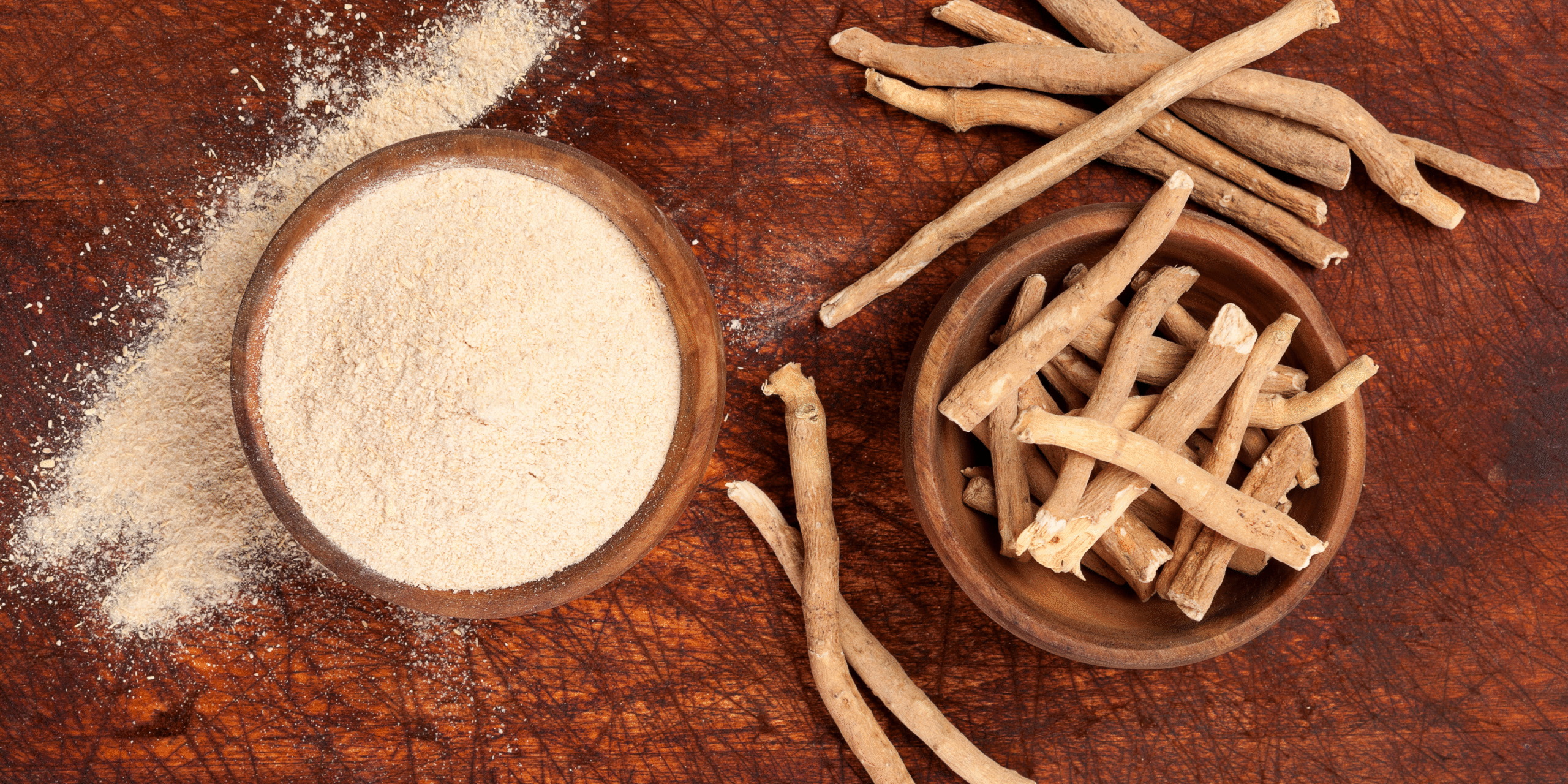
If you are curious about ashwagandha for men’s health and whether it can boost energy, reduce stress or support performance, you are not alone. Many men are looking for simple ways to feel stronger, think clearer and sleep better while juggling work, family and training. This guide explains what the herb can and cannot do, how it fits into the bigger picture of men’s health, and the practical steps to take before you buy a bottle.
What is Ashwagandha?
Ashwagandha is a herb used in traditional Indian medicine. The root extract is often promoted for stress relief, sleep, vitality and general wellbeing. Modern research suggests it may modulate the stress response by influencing the hypothalamic pituitary adrenal axis and reducing perceived anxiety in some people.
The evidence base is growing but mixed. The United States National Center for Complementary and Integrative Health notes early evidence for stress and sleep, with limited data for other outcomes and a need for larger, longer trials. You can read their overview on the NCCIH website here. For sleep, the Sleep Foundation summarises small clinical studies showing modest improvements in sleep onset and quality in some adults, especially with higher concentration root extracts taken for several weeks. See their review here.
Benefits of Ashwagandha for Men’s Health
Stress, poor sleep and low energy are common issues for men. Heart disease remains the leading cause of death for men in Australia, driven by risk factors like high blood pressure, inactivity, poor diet and chronic stress. Mental health is another major challenge. The Australian Institute of Health and Welfare reports that many men experience mental distress and are less likely to seek help early. Explore the men’s health snapshot here.
Where does a supplement fit in this picture?
- Stress and anxiety: Some studies show ashwagandha can reduce perceived stress and cortisol over 6 to 12 weeks, which may help you feel calmer and more in control.
- Sleep: Small benefits for sleep onset and quality may support recovery when paired with good sleep habits.
- Energy and performance: Any lift likely comes from better sleep and lower stress rather than a direct performance boost. Strength, conditioning, nutrition and recovery remain the heavy hitters.
- Testosterone and fertility: Evidence is limited and mixed. Some small studies in specific groups show changes, but findings are not consistent. More robust research is needed before clear claims can be made. See the NCCIH summary here.
Most adults tolerate typical doses, but rare cases of liver injury have been reported. The Australian Therapeutic Goods Administration has advised consumers and health professionals to be alert to potential hepatotoxicity and to report adverse events. Read the TGA safety information here and speak with your GP if you have liver disease, take multiple medicines or develop symptoms like jaundice or dark urine.
Bottom line. Ashwagandha for men’s health outcomes may improve when the herb is used carefully alongside proven habits like resistance training, aerobic activity, whole foods nutrition, consistent sleep and stress management.
A Practical Action Plan for Men
-
Decide your goal first: Be specific. Do you want steadier energy, better sleep, lower stress or training recovery If stress and sleep are the priority, ashwagandha may help as part of a broader routine. If your goal is strength or weight loss, focus on training and nutrition first. For help building the foundations, see our guide to resistance training for weight loss here.
-
Nail the non negotiables: Sleep 7 to 9 hours, move daily, and eat protein and plants at each meal. This regulates cortisol and blood sugar, which stabilises mood and focus. Our article on how sleep influences performance at work outlines why consistency beats late night catch ups here.
-
Consider a trial with structure: If you decide to try ashwagandha, choose a product that discloses extract type and withanolide content. Many studies use 240 to 600 mg per day of a standardised root extract. Start at the lower end, take with food, and trial for 8 weeks while tracking sleep, stress and energy. Stop if you notice side effects.
-
Check safety and interactions: Speak with your GP or pharmacist if you have thyroid disease, diabetes, autoimmune conditions, liver disease or take medicines such as sedatives, thyroid or diabetes drugs. Avoid during pregnancy and if you are trying to conceive with medical guidance. Review the NCCIH safety notes here and the TGA safety alerts here.
-
Pair it with proven stress tools: Daily movement, breath work, time outdoors and social support reduce sympathetic drive and help you unwind. If work pressure is heavy, our strategies for using exercise to combat stress can help you get started here.
-
Review progress and decide: After 8 weeks, check your data. Are you falling asleep faster? Do you feel calmer? Are you waking refreshed? If not, stop. If yes, consider cycling the supplement with planned breaks while keeping your core habits steady.
Frequently Asked Questions
Does ashwagandha boost testosterone?
Evidence is mixed and limited. Some small studies in stressed or infertile men report changes, but larger trials are needed. Prioritise sleep, resistance training and nutrition before chasing hormonal claims.
Can it help with anxiety?
Several small studies show reduced perceived stress and anxiety compared with placebo over 6 to 12 weeks. Effects vary and are usually modest.
Is it safe long term?
Short to medium term use appears well tolerated for many people, but long term data are limited. Rare liver injury has been reported. Use carefully with medical advice if you have health conditions or take medicines. See TGA alerts here.
How should I choose a product?
Look for Australian regulated products with clear labels, standardised root extract and batch testing. Avoid blends that do not disclose active constituents.
How Ashwagandha fits Your Bigger Plan
Think of ashwagandha as a possible support act for men who want calmer days and better nights. It does not replace the cornerstones that drive long term health. Cardiorespiratory fitness protects the heart. Strength training preserves muscle and testosterone. Whole foods balance energy. Social connection and purposeful work protect mental health. For a broader view on practical men’s health steps, explore our men’s health guide here.
Key Takeaways
- The benefits of ashwagandha for men’s health are most evident for stress and sleep and are generally modest
- Use it only after you set clear goals and lock in sleep movement and nutrition habits
- Safety first especially if you take medicines or have liver thyroid or metabolic conditions
- Track simple metrics for eight weeks and stop if there is no clear benefit
- Real performance comes from consistent training recovery and lifestyle supported by smart work routines


