
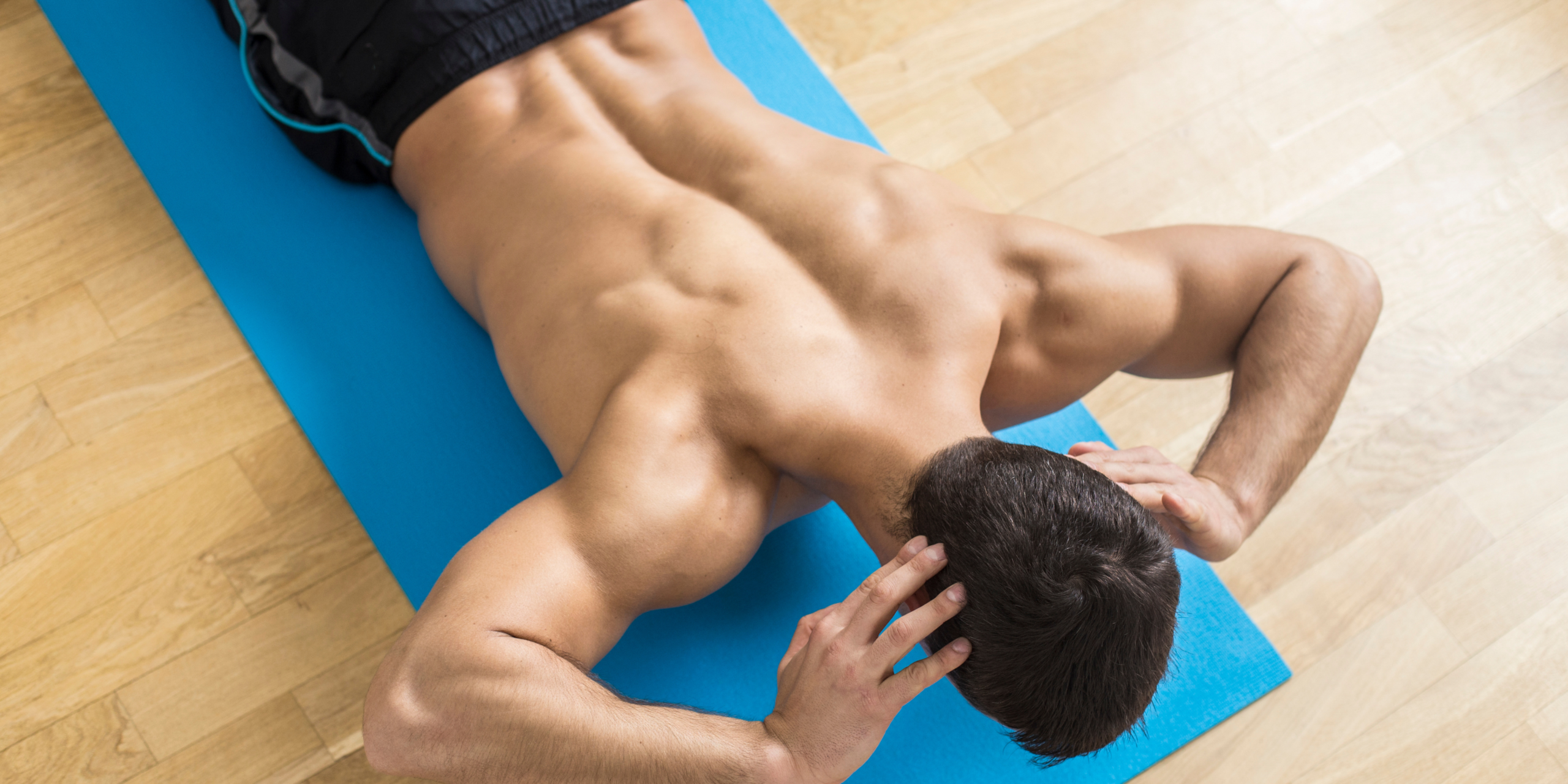
Back exercises for men’s health is more than gym talk. If your back feels tight after long commutes or flares up after weekend sport, you are not alone. Back problems affect millions of Australian’s and can hold you back at work and at home. The good news is that the right mix of strength mobility and movement breaks can build resilience and confidence without hours in the gym. This guide explains what back training really involves, why it matters for men, common barriers, and a practical plan you can start today.
What are Back Exercises?
Back exercises train the muscles that support your spine and ribs including the lats, spinal erectors, mid back, and deep core. Think rows, pulldowns, hip hinges, carries, and anti rotation core work. These muscles stabilise your trunk so you can lift, twist, run, and sit without strain. Good programs blend three pillars.
- Strength moves that load the muscles and bones so they adapt and get stronger.
- Mobility drills that help your joints move through comfortable ranges.
- Motor control work that teaches your core to brace and your hips to drive the effort.
For most men the goal is not to chase a personal best deadlift. It is to build a strong base that protects your back in daily life and sport.
Why it Matters for Men
Back problems are common in Australia. The Australian Institute of Health and Welfare reports that back pain and problems affect about four million Australians and are a leading cause of lost productivity and disability. You can explore the data at the Australian Institute of Health and Welfare website at Back problems in Australia.
Regular physical activity is protective. The World Health Organisation recommends at least 150 – 300 minutes of moderate activity a week plus resistance training on two or more days for adults.
For low back pain specifically, clinical guidance encourages people to stay active and build strength rather than rest for long periods.
For men balancing work, family, and fitness, back exercises men’s health strategies support better lifting mechanics, energy for sport with mates, and fewer flare ups from desk time. Stronger backs also support healthy ageing through bone loading and muscle retention.
Common Barriers
- Time pressure. Long days make it hard to train consistently.
- Fear of pain. Past flare ups can knock your confidence.
- Confusion. So many routines make it hard to know what is safe.
- Desk life. Hours of sitting leave hips stiff and upper backs rounded.
If this sounds familiar, you are normal. Small, steady steps can rebuild trust in your body and deliver results.
How to Train Your Back
Build a twice weekly strength base
Two focused sessions per week can deliver meaningful gains when you choose compound moves that load the back and hips.
- Hip hinge pattern. Romanian deadlift or kettlebell deadlift. Three sets of six to ten reps. This strengthens the posterior chain so the hips carry load instead of the spine.
- Horizontal pull. One arm dumbbell row or chest supported row. Three sets of eight to twelve reps. This builds mid back endurance for posture and shoulder stability.
- Vertical pull. Lat pulldown or assisted pull up. Three sets of six to ten reps. This trains the lats which help support the lumbar spine via the thoracolumbar fascia.
- Carry. Suitcase carry for twenty to forty metres each side. This teaches the core to resist side bend which protects the spine during uneven loads.
- Anti rotation core. Pallof press. Two to three sets of eight to twelve reps per side. This builds trunk stiffness so forces do not shear the spine.
Keep two reps in reserve on each set. Progress by small load increases or an extra rep each week. For help staying consistent, read our guide on resistance training.
Reset your posture with daily mobility snacks
Short, frequent mobility breaks counter desk stiffness and reduce strain on the lower back.
- Thoracic extension over a rolled towel. Three slow breaths in two to three positions. This opens the mid back so the lower back does not overextend.
- Hip flexor stretch with glute squeeze. Thirty to forty five seconds each side. This restores hip extension so walking and lifting feel smoother.
- Open book rotation. Five to eight reps per side. This restores rotation through the mid back and rib cage.
Try a two minute movement break every hour. For quick ideas at your desk, see our post on desk exercises.
Use the rule of twos for sitting
Back exercises men’s health successes often come from smarter sitting habits.
- Every two hours, change your setup. Alternate between sitting and standing if you can.
- Every twenty minutes, stand and move for at least twenty seconds. Walk to the kitchen or do ten calf raises.
Changing posture regularly reduces tissue creep and keeps blood flow to the muscles that stabilise your spine. If screens are causing neck and shoulder strain that feeds into your back, read is your computer giving you shoulder pain.
Train technique not ego
Form first. A neutral spine with a strong brace and hips driving the movement spreads load across joints and tissues.
- Breathe in to brace before you lift. Think of expanding your rib cage and belly evenly to increase intra abdominal pressure.
- Push the floor away with your feet on hip hinges. Feel glutes and hamstrings do the work.
- On rows, keep ribs down and shoulder blades moving smoothly to avoid neck compensation.
Video a set or work with a coach. Our article on how to train without pain shares simple technique cues that protect your back.
Respect recovery and sleep
Tissues adapt between sessions, not during them. Aim for seven to nine hours of quality sleep, manage stress, and spread back training across the week. Under recovered tissues can feel stiff and sensitive. Explore strategies in our guide on how to speed up recovery.
Progress with patience
Back exercises men’s health improvements compound when you progress slowly. Add five percent load or one rep per week, not both. If pain exceeds a three out of ten and lingers beyond twenty four hours, reduce load or range next session and keep moving. If symptoms persist or include leg weakness, numbness, or bladder changes, see your GP.
Sample Week Plan
Use this as a starting point and adjust to your schedule and equipment.
- Day one strength. Romanian deadlift, one arm row, Pallof press, suitcase carry.
- Day two mobility. Ten minutes of thoracic, hip flexor, and rotation work plus a brisk walk.
- Day three strength. Kettlebell deadlift, chest supported row, lat pulldown, farmer carry.
- Daily desk breaks. Two minute movement snacks every hour.
If you prefer mornings or evenings, make it work for you. For ideas on when to train, read the most important time of day for exercise.
For Workplaces
- Encourage movement breaks in meetings and provide standing options in shared spaces.
- Offer short technique workshops on lifting and desk ergonomics.
- Promote flexible scheduling so staff can fit two strength sessions into the week.
- Share quick videos of mobility snacks that staff can do in two minutes.
Key Takeaways
- Back exercises for men’s health success comes from two strength sessions a week plus daily mobility and movement breaks.
- Stronger hips and a braced core reduce load on the spine and build confidence for lifting and sport.
- Short mobility snacks and smarter sitting habits undo desk stiffness and protect posture.
- Progress slowly, prioritise form, and keep moving within tolerable limits for lasting results.
- Workplaces that support movement and education see gains in comfort, focus, and energy.
If you are ready to build healthy habits that last, we would love to help. Get in touch with Better Being for tailored workplace support.


