
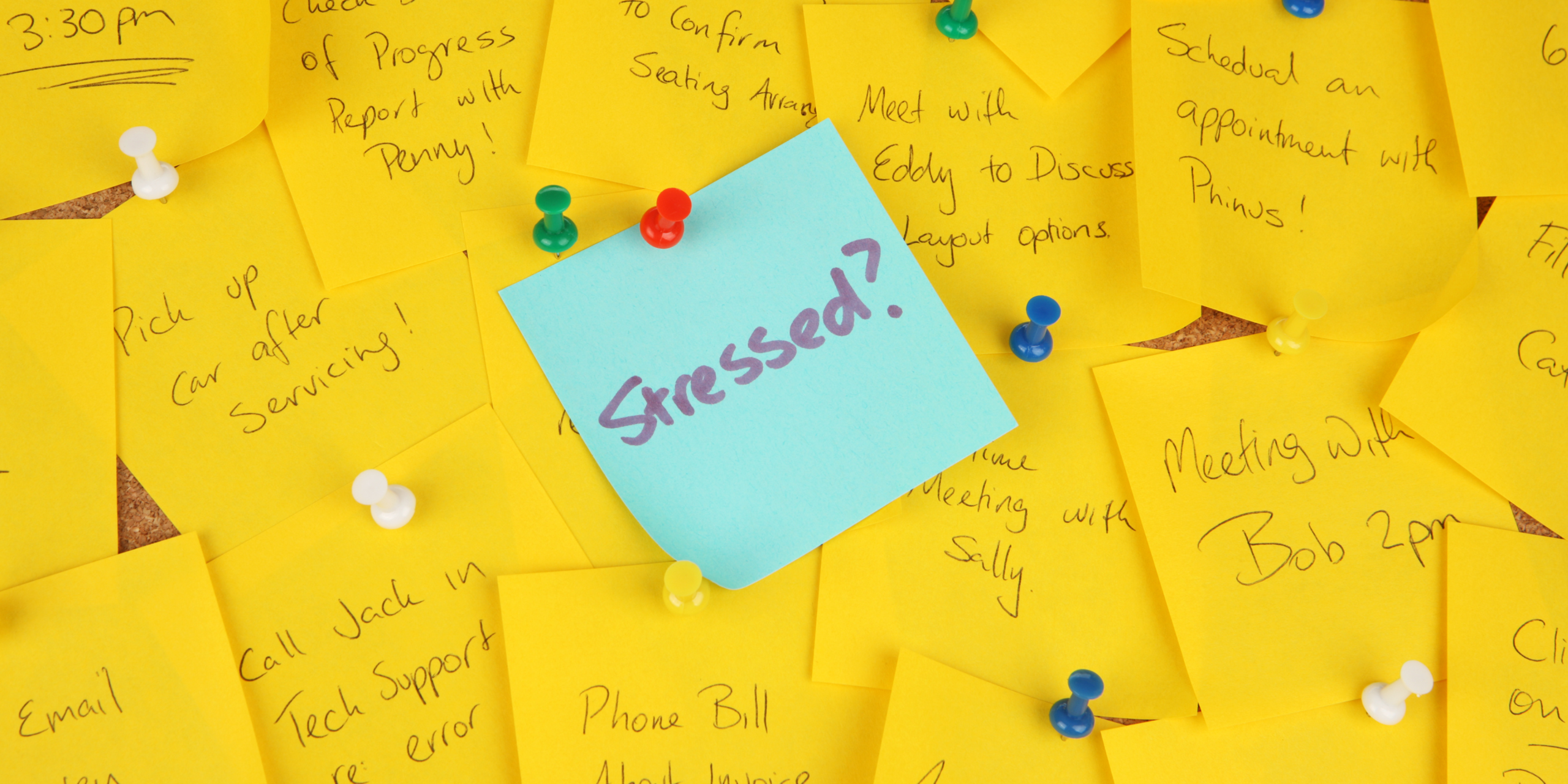
If stress and anxiety have started to feel like the background noise of everyday work, you are not alone. For many Australians, the mix of constant notifications, long hours, hybrid work, and rising pressure can make it hard to switch off, recover well, and stay mentally clear.
That is where digital wellbeing toolkits for managing stress and anxiety can make a real difference. The best toolkit does not just dump information on you. It gives you practical support you can actually use in a busy week, whether that means short guided exercises, education, simple routines, or tools that help teams have better wellbeing conversations.
For individuals, digital support can make stress management more accessible and consistent. For workplaces, it can be a scalable way to support psychological health, improve focus, and reduce the impact of chronic stress on performance and culture.
In this article, we will break down what makes a digital wellbeing toolkit genuinely useful, why it matters, and how to choose one that supports stress and anxiety in a practical, sustainable way.
What Are The Best Digital Wellbeing Toolkits For Managing Stress And Anxiety?
The best digital wellbeing toolkits for managing stress and anxiety are structured sets of resources that help you understand stress, build healthy coping skills, and take action consistently. They might include guided audio sessions, checklists, short educational modules, self reflection tools, breathing exercises, conversation guides, or team resources such as toolbox talks and infographics.
A good toolkit is not about perfection or constant tracking. It is about reducing friction. When people are stressed, they usually need support that is easy to access, easy to understand, and easy to apply in real life.
It is also worth clearing up a common misconception. A digital toolkit is not the same as clinical treatment. It can be highly effective for building awareness, habits, and early intervention, but it does not replace support from a GP, psychologist, or other qualified professional when symptoms are severe or persistent.
The strongest toolkits tend to include three things: education, action, and consistency. In other words, they help you understand what is happening, give you something simple to do next, and make it easier to repeat helpful behaviours over time.
Why It Matters
Stress is not always harmful. In small doses, it can help you focus and respond to challenges. But when stress stays elevated for too long, it can affect sleep, mood, concentration, appetite, recovery, and decision making. According to the World Health Organisation, anxiety disorders are among the most common mental health conditions worldwide.
From a workplace perspective, unmanaged stress has a direct impact on performance and safety. Safe Work Australia and the Heads Up initiative both highlight the link between mentally healthy work and better productivity, lower absenteeism, and stronger workplace culture.
Chronic stress can also disrupt sleep, which then reduces emotional regulation and mental sharpness the next day. If this cycle sounds familiar, you may also find Better Being’s articles on the impact of sleep on employee performance and why you might feel so tired useful.
Importantly, digital wellbeing toolkits can help bridge the gap between knowing stress matters and actually doing something about it. They provide a practical middle ground between good intentions and consistent action.
How To Choose The Best Digital Wellbeing Toolkit For Stress And Anxiety
1. Look For Practical Tools, Not Just Information
The best toolkits do more than explain stress. They help you regulate it. Look for resources such as breathing exercises, short guided resets, reflection prompts, and simple daily routines.
Why this matters: When you are overloaded, long articles and complex programs often go unused. Practical tools reduce the mental effort needed to get started.
Tip: If a toolkit offers something you can use in under five minutes during a lunch break or between meetings, that is a strong sign it will fit real life.
2. Choose Evidence Informed Content
A useful toolkit should align with respected health guidance and behavioural science, not trends or wellness buzzwords. Stress management strategies with a strong evidence base include mindfulness, movement, sleep support, breathing practices, cognitive reframing, and social connection.
Why this matters: When stress is high, you want support you can trust.
3. Make Sure It Suits Your Context
Some digital wellbeing resources are built for individuals. Others are designed for teams, frontline settings, or operational workplaces. The best digital wellbeing toolkits for managing stress and anxiety are the ones that match your environment.
Why this matters: A polished app may still miss the mark if your people need practical resources that work on site, across shifts, or without live facilitation.
Tip: For workplaces with limited time and dispersed teams, ready to use resources often work better than programs that require heavy coordination.
If you are looking for a simple workplace option, Better Being’s On Demand Wellbeing Toolkits offer practical wellbeing solutions that are ready when you are. These packs include toolbox talks and infographics in 3, 6 and 12 month options, and are designed for frontline and operational teams with instant download and no facilitation required.
4. Prioritise Ease Of Use
When people are stressed, friction matters. If the platform is clunky, too time consuming, or difficult to navigate, engagement drops quickly.
Why this matters: The most effective support is the support you will actually use.
Tip: Choose a toolkit with clear categories such as sleep, stress, anxiety, recovery, and focus, so users can find what they need fast.
5. Look For Support That Encourages Ongoing Habits
Stress and anxiety are rarely solved by one good day. The best digital wellbeing toolkits for managing stress and anxiety help you build regular habits that support resilience over time.
Why this matters: Small, repeated actions are usually more effective than occasional big efforts.
Tip: Look for weekly prompts, short series, or simple routines that help people stay engaged without feeling overwhelmed.
6. Consider Whether It Supports Conversation As Well As Self Management
Some of the strongest workplace resources do not just help individuals regulate stress. They also help teams talk about it earlier and more constructively. This can support psychological safety and reduce stigma.
Why this matters: Stress is personal, but work systems and leadership behaviours also shape how people cope.
Tip: If you are choosing for a workplace, look for resources that managers can share easily and discuss in team settings.
What Can Employers Do?
- Make access easy: Choose digital wellbeing resources that staff can use on demand, across devices, and without complicated logins or booking systems.
- Normalise use: Encourage leaders to talk openly about stress management and recovery so wellbeing tools feel relevant, not remedial.
- Match the format to the workforce: For frontline or operational teams, use short resources such as toolbox talks, visual guides, and practical prompts.
- Link wellbeing to work design: Toolkits help, but they should sit alongside healthy workloads, clear expectations, and supportive leadership.
- Measure what matters: Track engagement, feedback, absenteeism, and psychological safety indicators to understand impact over time.
- Build a broader strategy: Digital resources work best when they are part of a wider wellbeing approach rather than a one off initiative.
Key Takeaways
- The best digital wellbeing toolkits for managing stress and anxiety combine education with practical action, not just information.
- Useful tools are easy to access, simple to use, and realistic for busy professionals and workplaces.
- Evidence informed strategies such as breathing, movement, sleep support, and reflection can help reduce stress and build resilience over time.
- For workplaces, the strongest toolkits also support team conversations, early intervention, and psychologically safer cultures.
- Ready to use options can be especially valuable for frontline and operational environments where time and facilitation are limited.
If you want practical support for workplace wellbeing, stress management, or ready to use resources, get in touch with Better Being.