
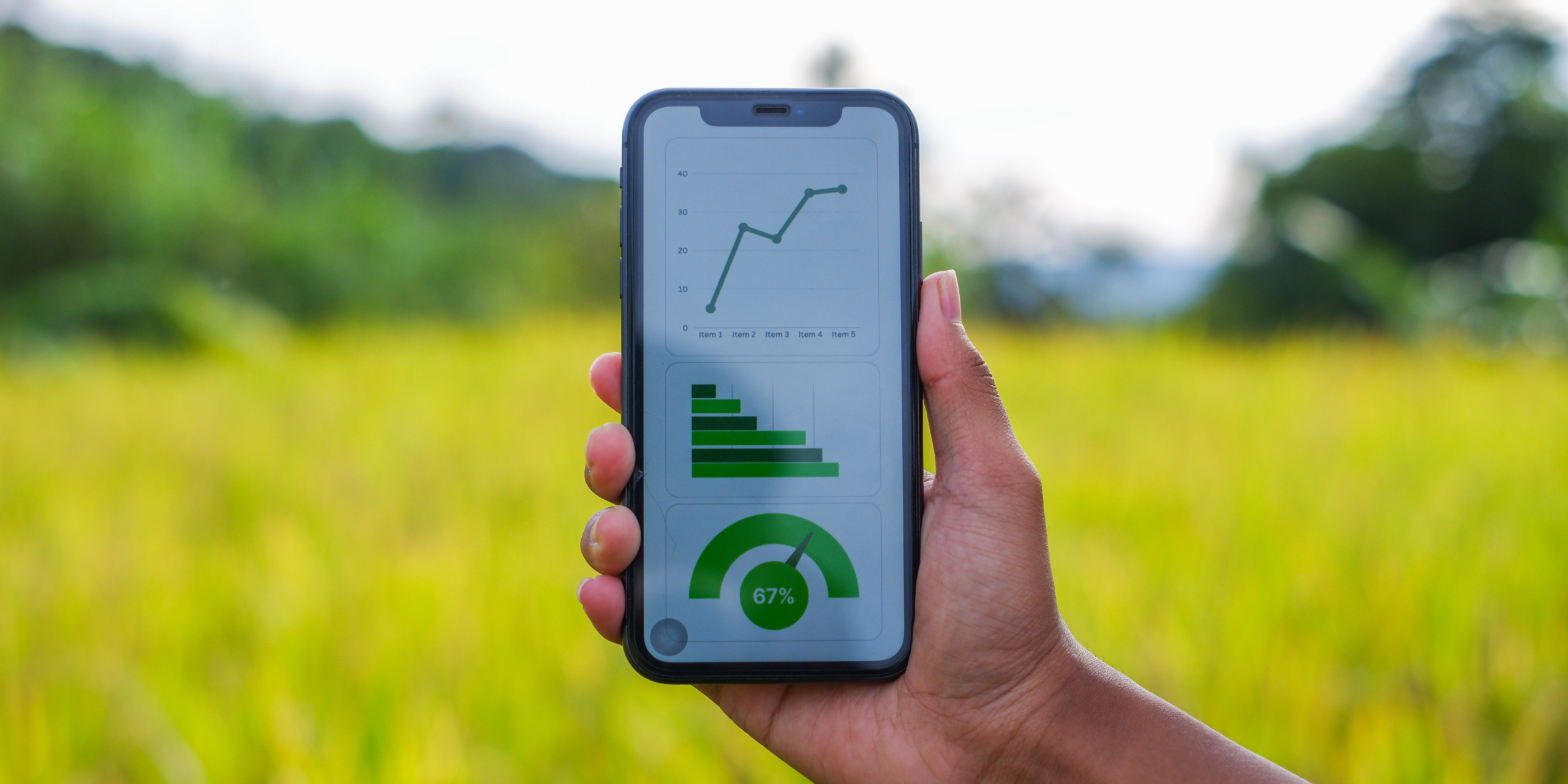
Corporate wellbeing programs with nutrition and fitness tracking tools are becoming a practical way for organisations to support energy, focus, and healthier daily habits at work. For many Australian teams, the challenge is not a lack of good intentions. It is the reality of back to back meetings, skipped lunch breaks, sedentary work, and stress that builds quietly over time.
If you are trying to improve wellbeing across a workforce, generic wellness content is rarely enough. People need support that feels relevant to their day, easy to act on, and measurable without becoming overwhelming. That is where nutrition guidance, movement support, and simple tracking tools can work well together.
When these programs are designed properly, they can help employees build awareness, make better choices, and stay consistent. They can also give HR leaders clearer data on participation, behaviour change, and what support people actually value. In this article, we’ll break down what these programs are, why they matter, and how to implement them in a way that supports performance and culture.
What Are Corporate Wellbeing Programs with Nutrition and Fitness Tracking Tools?
Corporate wellbeing programs with nutrition and fitness tracking tools are workplace initiatives that combine health education, behaviour change support, and digital or guided tracking to help employees improve movement, eating habits, recovery, and overall wellbeing.
In practice, this might include step challenges, strength or mobility programs, healthy eating education, hydration prompts, habit trackers, wearable integration, or one on one coaching. The best programs do more than count steps or calories. They help people understand patterns, build realistic routines, and connect healthy behaviours to better work performance.
A common myth is that tracking only works for highly motivated people. In reality, simple tracking can help busy professionals notice what is getting in the way. For example, an employee might realise they sit for most of the day, skip protein at lunch, or rely on caffeine because their sleep and recovery are poor. That awareness is often the first step to change.
Why Corporate Wellbeing Programs with Nutrition and Fitness Tracking Tools Matter
Workplace health is not just about preventing illness. It directly affects concentration, mood, resilience, productivity, and absenteeism. According to the World Health Organisation, regular physical activity supports physical and mental health, while insufficient movement is linked to poorer health outcomes. Nutrition matters too, because stable energy and blood sugar can influence attention, decision making, and afternoon performance.
Tracking tools can help because they turn vague intentions into visible behaviours. Instead of saying “I should move more” or “I need to eat better,” employees can monitor steps, exercise sessions, meal consistency, hydration, or recovery habits. That makes progress easier to see and habits easier to maintain.
For employers, data also matters. Participation rates, engagement trends, and behavioural insights can help justify investment and improve program design. If you want to understand this side further, Better Being’s articles on how to measure your employee wellbeing program.
How To Build Corporate Wellbeing Programs with Nutrition and Fitness Tracking Tools
1. Start with clear outcomes
Decide what success looks like before choosing tools. You may want to improve energy, reduce sedentary time, support mental health, increase participation in healthy routines, or strengthen team connection.
This matters because the right program for a desk based office team may be very different from the right program for shift workers or hybrid teams. A clear goal helps you choose simple and meaningful metrics.
A practical example is setting a goal to increase weekly movement participation by 20 per cent over three months, rather than launching a broad challenge with no clear purpose.
2. Make nutrition support simple and useful
Nutrition advice should help employees eat in a way that supports steady energy and mental clarity at work. Focus on basics such as balanced meals, protein intake, hydration, smart snacking, and planning ahead for busy days.
This works because people are more likely to follow practical advice than perfect meal plans. Consistent eating patterns can help reduce energy crashes and improve concentration across the day.
You might share simple lunch ideas, healthy meeting catering suggestions, or resources linked to Better Being’s blog on nutrition at work and office snack culture.
3. Encourage movement that fits the workday
Not every employee wants a hard training session, and they do not need one to benefit. Walking meetings, mobility breaks, stretch prompts, and short strength sessions can all play a role.
Small movement breaks can support blood flow, posture, and mental freshness, especially for teams spending long periods at a desk. The Australian Government guidance on physical activity reinforces the value of regular movement for health and wellbeing.
For realistic ideas, explore how to prioritise exercise in the workplace.
4. Use tracking tools to build awareness, not guilt
The best tracking tools are simple, private, and supportive. They might monitor steps, workouts, water intake, sleep consistency, or habit completion. What matters is that they help employees notice patterns and celebrate progress.
If tracking feels punitive or overly competitive, engagement usually drops. Keep the message clear: this is about learning what supports your wellbeing, not chasing perfection.
Better Being’s Wellbeing Index is a digital tracking tool that measures employee health and wellbeing across four pillars – Movement, Mindset, Nutrition and Recovery. The Index provides employees with a personalised score across the four pillars encouraging behaviour change, whilst employers gain de-identified insights into key areas of risk and growth within their business. To learn more about the Wellbeing Index, explore here.
5. Pair tools with human support
Apps and wearables can help, but behaviour change usually sticks better when people also have coaching, education, or team accountability. Humans help with context. They can adapt advice to workload, travel, motivation, injuries, or family demands.
This is where a one size fits all wellbeing platform often falls short. A person may know what to do but still struggle to do it consistently. Coaching and targeted support bridge that gap.
Better Being’s article on the benefits of employee wellbeing coaching explains why personalised support can improve both engagement and outcomes.
6. Review the data and refine
Once your program is running, review both numbers and feedback. Look at participation, completion, employee sentiment, and which tools people actually use. Then adjust.
This helps you avoid running a program that looks good on paper but does not fit your culture. Some teams may respond well to challenges, while others prefer private coaching, education sessions, or leadership support.
What Can Employers Do?
- Set a clear strategy: Link wellbeing goals to business outcomes such as energy, focus, retention, and reduced absenteeism.
- Choose tools carefully: Use nutrition and fitness tracking tools that are easy to access, simple to understand, and respectful of privacy.
- Support participation during work hours: Encourage walking meetings, movement breaks, and lunch break habits rather than expecting employees to do everything in their own time.
- Train leaders to model healthy behaviour: Managers who take breaks, move regularly, and respect boundaries make healthy habits feel more acceptable.
- Measure what matters: Track participation, behaviour change, and employee feedback alongside lead indicators that show whether the program is gaining traction.
- Offer expert support: Bring in evidence based providers who can combine education, coaching, and practical workplace implementation.
Key Takeaways
- Corporate wellbeing programs with nutrition and fitness tracking tools can help employees build healthier routines that support energy, focus, and resilience at work.
- The most effective programs combine simple tracking with practical nutrition guidance, realistic movement support, and human coaching.
- Tracking should create awareness and momentum, not pressure. Simplicity and relevance are more important than lots of features.
- For employers, clear goals and good measurement make it easier to improve participation and demonstrate value over time.
- When wellbeing support fits the realities of work, it is more likely to become part of everyday culture rather than a short lived initiative.
If you’re ready to build a workplace approach that supports healthier habits and measurable outcomes, get in touch with Better Being.


