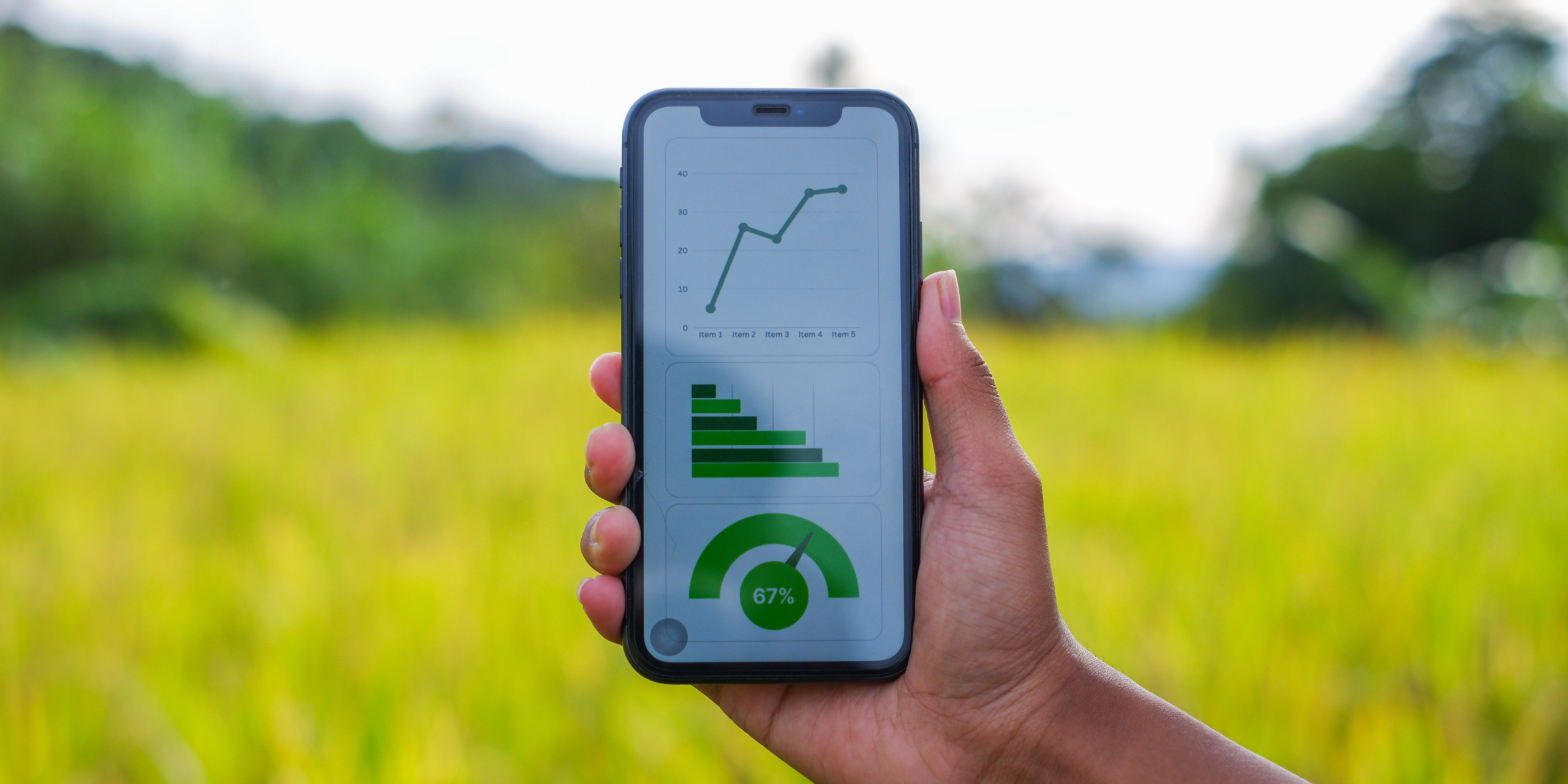
If you are asking what digital health tools are recommended for tracking men’s health improvements during men’s health week, the best answer is usually the simplest one: use tools that help you notice patterns, stay accountable, and make small changes easier to repeat.
For many men, health can slide down the priority list. Work gets busy, stress builds, sleep slips, and exercise becomes something you will get back to next week. Men’s Health Week is a useful prompt to stop relying on guesswork and start measuring what is actually happening.
Digital health tools can help you track steps, sleep, heart rate, workouts, food intake, mood, and recovery. They can also make progress feel more visible, which matters when motivation is low or results seem slow. In this article, we’ll break down which tools are worth considering, what metrics matter most, and how to use them in a realistic way.
What Is Digital Health Tracking For Men’s Health?
Digital health tracking means using apps, wearables, or connected devices to monitor behaviours and health markers over time. Rather than relying on memory or good intentions, you collect useful data that shows where you are improving and where you may need support.
This can include everyday habits such as walking, strength training, sleep duration, water intake, or mindfulness. It can also include more specific indicators such as resting heart rate, blood pressure, glucose trends, or medication reminders.
The goal is not to obsess over numbers. The goal is to make your health more visible so you can act earlier and more consistently. During Men’s Health Week, that visibility can be a powerful starting point.
Why It Matters
Men are often less likely to seek help early, even when warning signs are present. According to the Australian Institute of Health and Welfare, men experience a significant burden from preventable health issues, including cardiovascular disease, mental ill health, poor sleep, alcohol related harm, and low help seeking behaviour.
Tracking can help because behaviour change is easier when feedback is immediate. Research from the World Health Organisation continues to show that physical activity, sleep, and reduced sedentary time all support better long term health. Wearables and apps can prompt movement, make inactivity obvious, and help you link habits with outcomes.
Sleep is another big one. Insufficient sleep is linked to poorer mood, reduced concentration, and higher chronic disease risk. If your device shows you are only sleeping six hours and your resting heart rate is rising, that is useful information.
Digital tools can also support mental wellbeing. Mood tracking, journalling, and breathing apps can help you spot trends around stress, workload, and recovery. If that resonates, you may also find Better Being’s articles on stress management techniques for high performers and the impact of sleep on employee performance helpful.
What Digital Health Tools Are Recommended For Tracking Men’s Health Improvements During Men’s Health Week
1. Wearables for activity, heart rate, and sleep
A quality smartwatch or fitness tracker is often the easiest place to start. Devices from Apple, Garmin, Fitbit, Samsung, and WHOOP can track steps, workouts, resting heart rate, sleep patterns, and recovery trends.
Why it helps: these metrics give you a daily snapshot of how active and recovered you are. A rising resting heart rate or consistently poor sleep can signal stress, illness, or under recovery.
Make it easier: choose one or two metrics to check each day, such as steps and sleep, rather than trying to optimise everything at once.
2. Nutrition tracking apps
Apps such as MyFitnessPal, Cronometer, or Easy Diet Diary can help you log meals, protein intake, fibre, hydration, and overall energy intake.
Why it helps: many men underestimate how much they are eating, how little protein they are getting, or how inconsistent their eating routine has become during busy work weeks.
Make it easier: track for just seven days during Men’s Health Week. You do not need to log forever to learn something useful.
If food choices at work are part of the issue, this article on nutrition at work is a practical next read.
3. Strength and training apps
If your goal is better strength, energy, body composition, or consistency, training apps such as Strong, Hevy, Nike Training Club, or trainer led platforms can be useful.
Why it helps: tracking sets, reps, sessions completed, and progression gives you real evidence that you are improving, even before you see major physical changes.
Make it easier: schedule two or three short sessions per week and tick them off. Consistency beats intensity.
4. Blood pressure and heart health monitors
For men with family history, high stress, or known cardiovascular risk, a home blood pressure monitor synced to an app can be extremely valuable.
Why it helps: high blood pressure often has no obvious symptoms. Tracking it over time can support earlier conversations with your GP and better risk awareness.
Make it easier: take readings at the same time of day a few times each week and look for trends, not one off spikes.
This matters even more in high pressure jobs, as explored in Heart Attacks Know Your Risk.
5. Mood, stress, and mental health apps
Apps like Headspace, Calm, Smiling Mind, or simple journalling tools can help you track stress, mood, breathing practice, and mental resets.
Why it helps: stress often shows up as poor sleep, irritability, low patience, or emotional shutdown. Tracking your mental state can help you notice patterns before they become burnout.
Make it easier: rate your mood once each day and add one short note about workload, sleep, or alcohol. The pattern is often more useful than the score itself.
If this is an area you are working on, you may also like Guys We Need To Talk and Are You Burnt Out?.
6. Habit tracking apps
Habit trackers such as Streaks, Habitify, or even your phone reminders can help you build the basics: walking, stretching, hydration, bedtime routines, and booking health appointments.
Why it helps: better health usually comes from repeated small actions, not one big effort during Men’s Health Week.
Make it easier: choose three habits only. For example, walk 8000 steps, lights out by 10:30 pm, and one strength session.
The Wellbeing Index
The Wellbeing Index is an online digital tool that can be used by employees to track health behaviours across four core pillars – movement, mindset, nutrition and recovery. Learn more about the Wellbeing Index here.
How To Use Digital Tools Without Overcomplicating It
The best digital health tools are the ones you will actually use. That usually means keeping your focus narrow.
Pick one primary goal such as better sleep, more movement, less stress, or improved fitness.
Track only two to four metrics that relate to that goal.
Review your data once or twice a week instead of constantly checking.
Use the data to guide action, not self criticism.
Share useful trends with a health professional if something seems off.
For example, if your goal is better energy, you might track sleep duration, step count, caffeine timing, and mood. That gives you enough information to spot what is helping and what is not.
What Can Employers Do?
Normalise participation: Use Men’s Health Week as a chance to encourage simple self tracking without pressure or stigma.
Promote trusted resources: Share practical education on sleep, stress, exercise, and prevention rather than generic awareness messages.
Create team challenges carefully: Focus on inclusive goals like daily steps or movement minutes, not overly competitive targets.
Support privacy: Make it clear that any personal health data belongs to the individual and should never be required by the employer.
Link habits to performance: Help staff understand that energy, focus, recovery, and mental health affect safety, engagement, and productivity.
Offer expert support: Bring in workplace wellbeing specialists to turn awareness into action across leadership and teams.
Key Takeaways
What digital health tools are recommended for tracking men’s health improvements during men’s health week depends on your goal, but wearables, nutrition apps, mood trackers, and blood pressure monitors are strong options.
The most useful tools are simple enough to use consistently and relevant enough to guide action.
Focus on a small number of metrics like sleep, steps, resting heart rate, workouts, or mood rather than tracking everything.
Digital health data can improve awareness, but it should support behaviour change, not create stress or perfectionism.
Workplaces can use Men’s Health Week to encourage safe, practical, evidence based health action that supports both wellbeing and performance.
If you’re ready to support healthier habits and sustainable performance in your team, get in touch with Better Being.
READY TO IMPLEMENT A WELLBEING PROGRAM WITH TANGIBLE BENEFITS FOR EVERYONE INVOLVED?