
If you are joining a Mindful May challenge, it is normal to wonder whether your effort is actually making a difference. You might feel calmer on some days, distracted on others, and unsure how to measure progress beyond simply ticking off another meditation session.
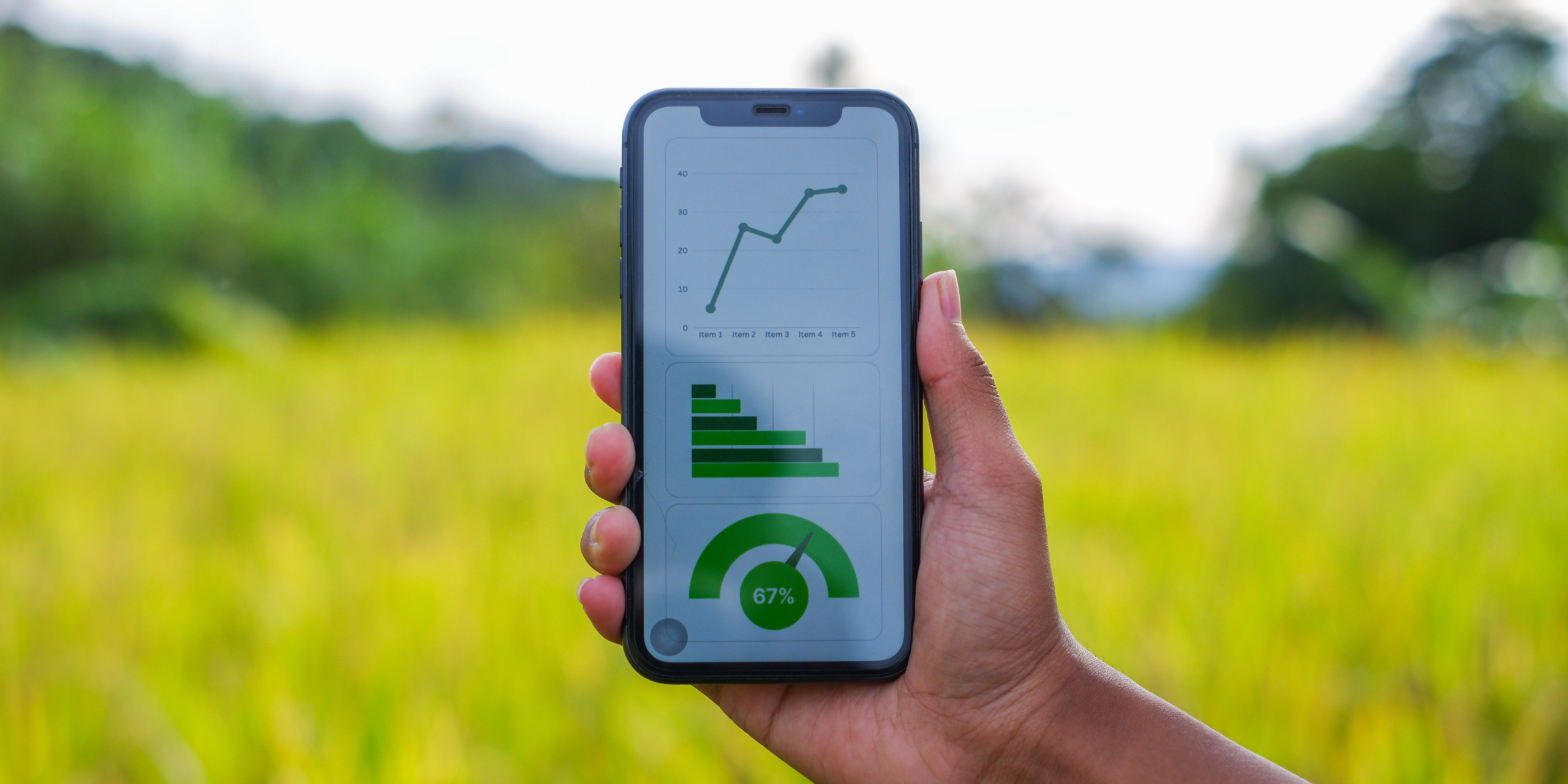
This is where wearable devices can be useful. Many smartwatches, rings, and fitness trackers now promise to show how your body responds to stress, rest, breathing, sleep, and recovery. That can make mindfulness feel more tangible, especially when motivation dips during a busy work month.
Still, data can be confusing if you do not know what the numbers mean. A wearable cannot read your mind, and it cannot tell the full story of your wellbeing. What it can do is highlight patterns that help you reflect, adjust your routine, and stay more consistent.
In this article, we will break down the science behind how do mindfulness wearables track progress during May mindfulness challenges, what metrics matter most, and how to use the information in a practical way without becoming obsessed by your stats.
What is a mindfulness wearable?
A mindfulness wearable is a device that uses sensors to track signals linked to your physical state. This might include heart rate, heart rate variability, breathing rate, skin temperature, sleep, activity, and time spent in guided breathing or meditation sessions.
These devices do not directly measure mindfulness as a mental skill. Instead, they track body based markers that often shift when you practise mindfulness regularly. For example, your heart rate may settle more quickly after stress, your sleep may improve, or your breathing may become slower and steadier during guided sessions.
Some wearables also use prompts, vibration cues, or short check in features to help you pause during the day. That can be especially useful for busy professionals who tend to move from meeting to meeting without any real recovery time.
A common myth is that more data always means better self awareness. In reality, useful tracking is about noticing trends, not chasing perfect numbers. Mindfulness is still a human practice, not just a dashboard.
How do mindfulness wearables track progress during May mindfulness challenges?
Most mindfulness wearables track progress by collecting physiological signals and turning them into simple daily scores, trends, or prompts. The most common measures include resting heart rate, heart rate variability, breathing patterns, sleep quality, movement, and consistency of practice.
Heart rate variability is one of the most discussed metrics. It looks at the variation in time between heartbeats, which can reflect how your nervous system is responding to stress and recovery. While it is not a direct mindfulness score, improving recovery habits can support healthier patterns over time. The National Center for Complementary and Integrative Health notes that mindfulness and meditation may help with stress, anxiety, and sleep in some people, which is why these body based trends can be useful alongside your own experience.
Wearables also track consistency. If you complete a 10 minute breathing session each day during May, your device may show a streak, total minutes, or changes in pre and post session heart rate. This is helpful because behaviour change is usually driven by repetition more than intensity.
Sleep is another major marker. Many people notice that when they practise mindfulness in the evening, they fall asleep more easily or wake feeling more restored. Since poor sleep can affect attention, emotional regulation, and resilience, this is a meaningful area to watch. We have explored this more in Impact of Sleep on Employee Performance.
Some devices also estimate stress through changes in heart rate patterns, skin conductance, or movement. These scores should be treated as rough guides, not medical facts. They are most helpful when you compare them with real life context, such as a packed deadline week, travel, poor sleep, or a strong meditation streak.
Why it matters
Tracking progress can make mindfulness more sustainable because it gives you feedback. In behavioural science, feedback loops help reinforce a habit. When you can see that five minutes of breathing lowers your heart rate or improves your evening routine, the habit feels more rewarding and more likely to stick.
This matters because chronic stress affects far more than mood. According to the World Health Organisation, poor mental health at work can influence productivity, functioning, and overall quality of life. Mindfulness is not a cure all, but it can be one useful part of a broader strategy for stress management and recovery.
There is also a performance benefit. When you are less reactive and better recovered, you are more likely to think clearly, communicate well, and make better decisions. That is particularly relevant for professionals working under pressure. If that sounds familiar, you may also find value in Stress Management Techniques for High Performers and Performing Under Pressure.
The key point is this: wearables can help you spot whether your mindfulness challenge is influencing the habits and body signals that support better wellbeing. They are most useful when they strengthen awareness, not when they become another source of pressure.
How to use wearable data during Mindful May
1. Track consistency first
Start by looking at how often you practise, not just how calm you feel. Consistency is one of the strongest signs that a challenge is working. If your device logs sessions, aim for regular practice across the month, even if each session is only five to ten minutes.
A simple tip is to link your practice to an existing routine, such as after your morning coffee or before logging on to work.
2. Watch trends, not daily swings
Your stress score or heart rate variability can change for many reasons, including poor sleep, alcohol, illness, workload, and exercise. Do not overreact to one off readings. Look at weekly patterns instead.
For example, if your sleep and recovery scores improve across two weeks of regular mindfulness, that is more meaningful than one great result after a single session.
3. Pair the data with a quick personal check in
Numbers alone can miss important context. Add a short daily note such as calm, scattered, energised, or flat. This helps you connect the data with your lived experience.
Often, the most useful insight is not the score itself but what was happening around it. Maybe your lowest stress days were also the days you took a lunch break outside.
4. Focus on a few meaningful metrics
Most people do better when they track two or three signals rather than everything. Good options include meditation minutes, sleep quality, resting heart rate, and perceived stress.
This keeps your challenge simple and prevents data overload. Healthy routines for professionals need to fit real life, not become another full time task.
5. Use prompts to create mindful moments at work
Many wearables offer reminders to breathe, stand, or pause. These can be surprisingly effective during a busy workday, especially if you tend to push through without noticing tension building.
If you work at a desk, combine a breathing prompt with a short stretch or walking break. You can also explore practical movement ideas in Desk Exercises at Work.
6. Avoid turning mindfulness into a performance contest
Mindfulness works best when it supports awareness and self regulation. It becomes less helpful if you judge yourself every time your score is not ideal. Progress may look like better focus, fewer reactive moments, or a stronger ability to reset after stress.
Use the wearable as a guide, not a grade. Consistency and reflection matter more than perfection.
What can employers do?
- Normalise short recovery breaks: Encourage staff to take brief mindful pauses during the day, especially around peak workload periods.
- Support habit formation: Run simple team challenges during May that reward participation and reflection rather than competition.
- Protect psychological safety: Make wellbeing activities optional and private so employees do not feel watched or judged.
- Measure what matters: If your organisation runs mindfulness initiatives, look at engagement, energy, and culture indicators alongside participation. Our article on how to measure your employee wellbeing program is a useful starting point.
- Connect wearables to broader wellbeing support: Devices are only one tool. Education, leadership support, and practical behaviour change strategies matter more for long term outcomes.
- Consider return on investment: Better focus, reduced stress, and stronger self awareness can support performance, engagement, and fewer burnout related issues over time.
Key takeaways
- Mindfulness wearables do not measure mindfulness directly, but they can track body based signals linked to stress, recovery, sleep, and consistency.
- If you are asking how do mindfulness wearables track progress during May mindfulness challenges, the answer is mostly through trends in heart rate, heart rate variability, breathing, sleep, and session frequency.
- The most useful data is practical data. Focus on a small number of metrics that help you build sustainable habits.
- Daily fluctuations are normal. Look for patterns across weeks rather than judging one off scores.
- For workplaces, mindfulness tools work best when paired with a supportive culture, realistic expectations, and broader wellbeing strategies.
- Real progress may show up as better focus, steadier energy, and improved recovery, even if your numbers are not perfect.
If you want support building healthier habits that improve performance and wellbeing at work, get in touch with Better Being.


