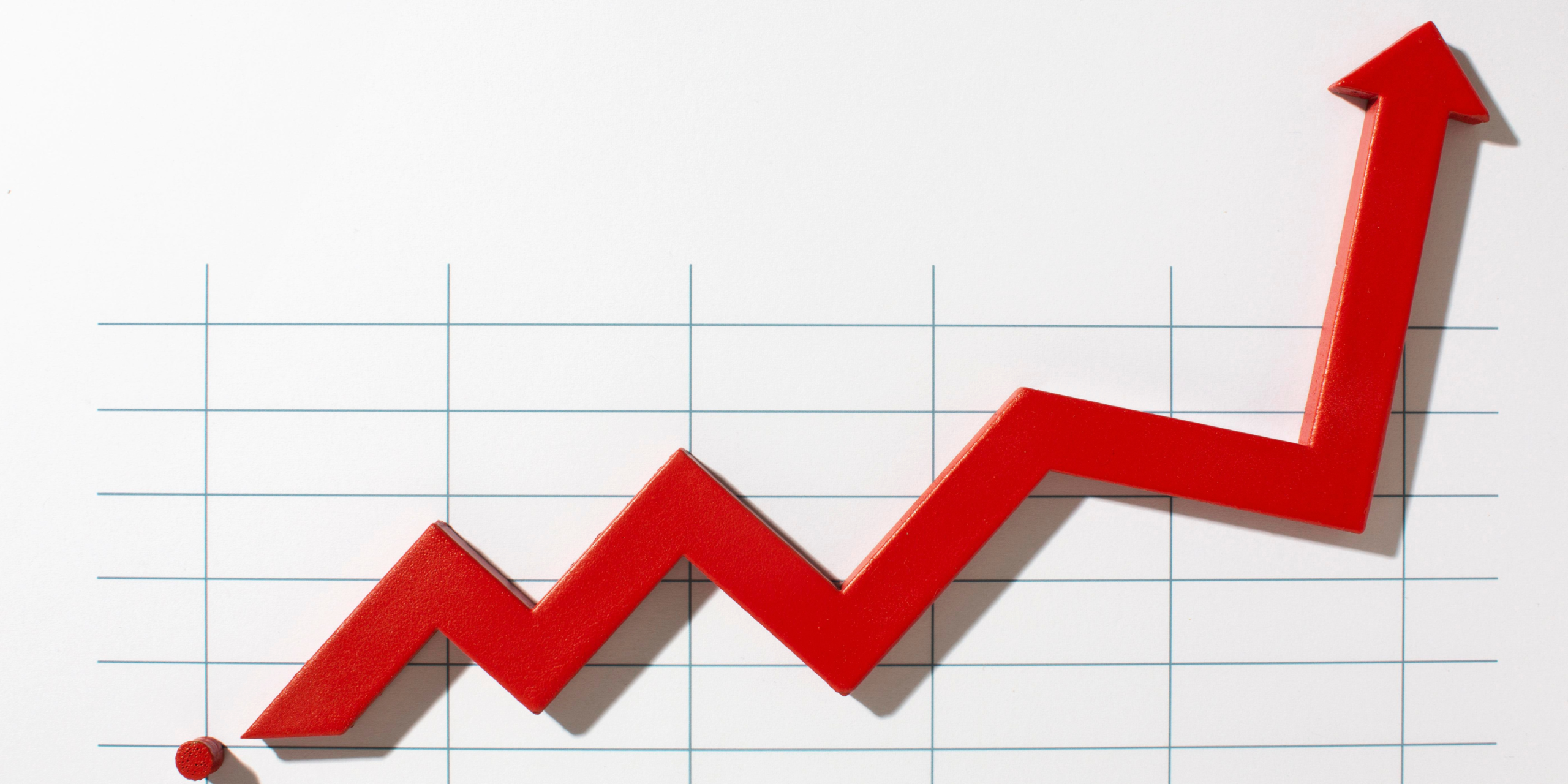
If you are planning workplace initiatives for Global Employee Health and Fitness Month, one question tends to come up fast: how do you prove it is worth the investment? It is easy to get people excited about step challenges, lunch and learn sessions, movement breaks, or health checks. It is much harder to show leaders what those activities actually delivered.
That is why understanding how to measure ROI of employee wellness programs during global employee health and fitness month matters. When you track the right data, you move the conversation beyond participation numbers and into outcomes that matter to HR, finance, and leadership. Think reduced absenteeism, better engagement, stronger energy, and improved productivity.
The good news is you do not need a perfect measurement system to start. You just need a clear plan, a few meaningful metrics, and a realistic way to compare results over time. In this article, we will break down how to measure ROI of employee wellness programs during health and fitness month and show you practical ways to report impact with confidence.
What Is ROI in Employee Wellness?
In a workplace wellbeing context, it is the value your organisation gains compared with what it spends on a program.
That value can be financial, such as lower absenteeism costs or fewer compensation claims. It can also include performance and culture outcomes, such as better morale, higher participation in healthy routines, improved retention, and stronger psychological safety.
A common mistake is measuring success only by attendance. A yoga session with strong turnout may look positive, but attendance alone does not tell you whether people felt better, changed behaviour, or performed better at work. As we often discuss in how to measure your employee wellbeing program, useful measurement should include both activity data and outcome data.
Another myth is that ROI must be immediate. In reality, some benefits show up during the month, while others build over a quarter or financial year. Health and Fitness Month can be a powerful starting point, but it works best when measured as part of a broader strategy.
Why It Matters
Leaders are under pressure to invest in initiatives that support both people and performance. A strong measurement approach helps you justify budget, refine what works, and avoid spending on activities that look good but change very little.
There is also a strong business case for getting wellbeing right. According to the Australian Institute of Health and Welfare, mental ill health and chronic health concerns have major implications for quality of life and workforce participation. The Safe Work Australia data on work related psychological injury also highlights the rising cost and complexity of poor workplace mental health.
Wellbeing programs can influence many of these drivers by improving energy, stress management, movement, connection, and recovery. But to make the case internally, you need evidence. That is why many organisations are shifting from vague wellbeing activity to measurable wellbeing strategy, a theme we also explore in ROI of employee wellbeing programs and understanding lead indicators in employee wellbeing.
When you know how to measure ROI of employee wellness programs during health and fitness month, you can answer practical questions such as:
Did participation lead to any change in behaviour?
Did teams report better focus, energy, or morale?
Was there any shift in absenteeism or engagement?
Should we scale this approach, refine it, or replace it?
How To Measure ROI of Employee Wellness Programs During Health and Fitness Month
1. Start With A Clear Objective
Pick one to three outcomes you want the month to influence. For example, you may want to increase movement, improve energy, support stress management, or boost team connection.
This matters because ROI is impossible to measure if the goal is fuzzy. A walking challenge and a resilience workshop should not be judged by the exact same outcome.
Tip: Write a simple success statement such as, “By the end of Health and Fitness Month, we want 60 per cent of participants to report better energy and 40 per cent to increase weekly movement.”
2. Choose Leading And Lagging Metrics
Use a mix of short term and longer term measures. Leading metrics show early signs of progress. Lagging metrics show broader business outcomes.
Leading metrics: registration numbers, attendance, challenge completion, self reported energy, confidence, knowledge, or movement frequency.
Lagging metrics: absenteeism, retention, engagement scores, claims trends, and productivity indicators where available.
This gives you a more balanced picture. If engagement goes up and employees report healthier habits, that is valuable even if claim data takes longer to shift.
3. Measure A Baseline Before The Month Begins
If you want to know whether anything improved, you need a starting point. Before the campaign begins, gather baseline data from a short survey, HR reporting, or existing wellbeing metrics.
You might measure current energy, stress, movement habits, team morale, absenteeism, or confidence in managing health at work. Keep it simple so people actually complete it.
4. Track Participation Quality, Not Just Headcount
Not all participation is equal. Someone who attends one webinar is different from someone who joins four sessions, completes a challenge, and follows through with a new habit.
Look at depth of engagement, such as repeat attendance, completion rates, and interaction levels. This helps you identify which activities are creating genuine behaviour change.
Tip: Segment participation by team, role, or location. You may find that hybrid workers engage differently from office based teams, which can shape your next rollout.
5. Capture Self Reported Outcomes Straight After
At the end of Health and Fitness Month, ask participants what changed. This is one of the fastest ways to understand whether the initiative had practical value.
Useful questions include:
Do you feel more energised at work?
Have you increased your weekly movement?
Do you feel more confident managing stress?
Did the initiative make you feel more supported by your employer?
These measures are not perfect on their own, but they are highly useful when combined with attendance and business data. They also help tell the story behind the numbers.
6. Estimate Financial Impact
This is the step many teams avoid, but it does not need to be complicated. Start by identifying one or two cost areas your program could realistically influence.
Absenteeism costs
Turnover costs
Workers compensation or injury related costs
Productivity loss linked to low energy, stress, or presenteeism
For example, if your program cost $8,000 and absenteeism dropped by a small but measurable amount in a target group, estimate the wage cost recovered. Then compare the value gained with the investment made.
A simple formula is: ROI = (benefit gained minus program cost) divided by program cost x 100.
You can also include softer outcomes in your report, even if they are not part of the strict financial formula. In many organisations, improved engagement and stronger culture are strategically important outcomes in their own right.
7. Compare Results Over Time
If you really want to understand how to measure ROI of employee wellness programs during health and fitness month, do not treat the month as a one off event. Compare this year’s data with prior campaigns, quarterly wellbeing data, or broader engagement results.
This helps you see trends, not just snapshots. It also shows whether Health and Fitness Month is acting as a short burst of interest or a catalyst for healthier routines that last.
What Can Employers Do?
Set a measurement plan early: Decide what success looks like before the month begins, not after it ends.
Use simple pulse surveys: Short pre and post surveys are often enough to capture useful behaviour and sentiment changes.
Track business relevant data: Include absenteeism, engagement, retention, and participation depth where possible.
Segment the results: Compare teams, locations, and work patterns to identify what is landing best.
Link activity to strategy: Connect Health and Fitness Month to wider goals such as culture, performance, safety, and leadership capability.
Work with experts: Better program design and evaluation usually leads to stronger engagement and more credible reporting.
ROI considerations should include both immediate campaign outcomes and the long term value of a healthier, more engaged workforce. Better Being supports organisations with evidence informed workplace wellbeing programs, practical measurement frameworks, and tailored strategies that make reporting easier and more meaningful.
Key Takeaways
Knowing how to measure ROI of employee wellness programs during health and fitness month starts with clear goals, not just activity planning.
Use both leading and lagging metrics so you can capture short term behaviour shifts and longer term business outcomes.
Baseline data is essential because you cannot prove improvement without knowing where people started.
Participation numbers matter, but depth of engagement and self reported impact usually tell a stronger story.
Financial ROI can be estimated through absenteeism, retention, and productivity related measures, even with a simple model.
For workplaces, the biggest wins often come when Health and Fitness Month is part of an ongoing wellbeing strategy rather than a once a year event.
If you want support designing, measuring, or improving your workplace wellbeing strategy, get in touch with Better Being.
READY TO IMPLEMENT A WELLBEING PROGRAM WITH TANGIBLE BENEFITS FOR EVERYONE INVOLVED?