
If you are trying to make workplace wellbeing and safety messages stick on a busy site, regular toolbox talks can make a real difference. But knowing they matter and actually scheduling them consistently are two very different things. On construction sites, shifting crews, changing risks, weather delays and tight deadlines can quickly push good intentions aside.
That is why learning how to schedule regular workplace toolbox talks for construction sites matters. When talks are planned well, they become part of the rhythm of work rather than an afterthought. They help leaders reinforce key messages, create safer conversations and keep health, wellbeing and risk management front of mind.
The good news is you do not need a complicated system. You need a practical structure that fits how construction teams actually operate. In this article, we will break down how to schedule regular workplace toolbox talks for construction sites and show you practical ways to make them consistent, relevant and easier to deliver.
What Is A Workplace Toolbox Talk?
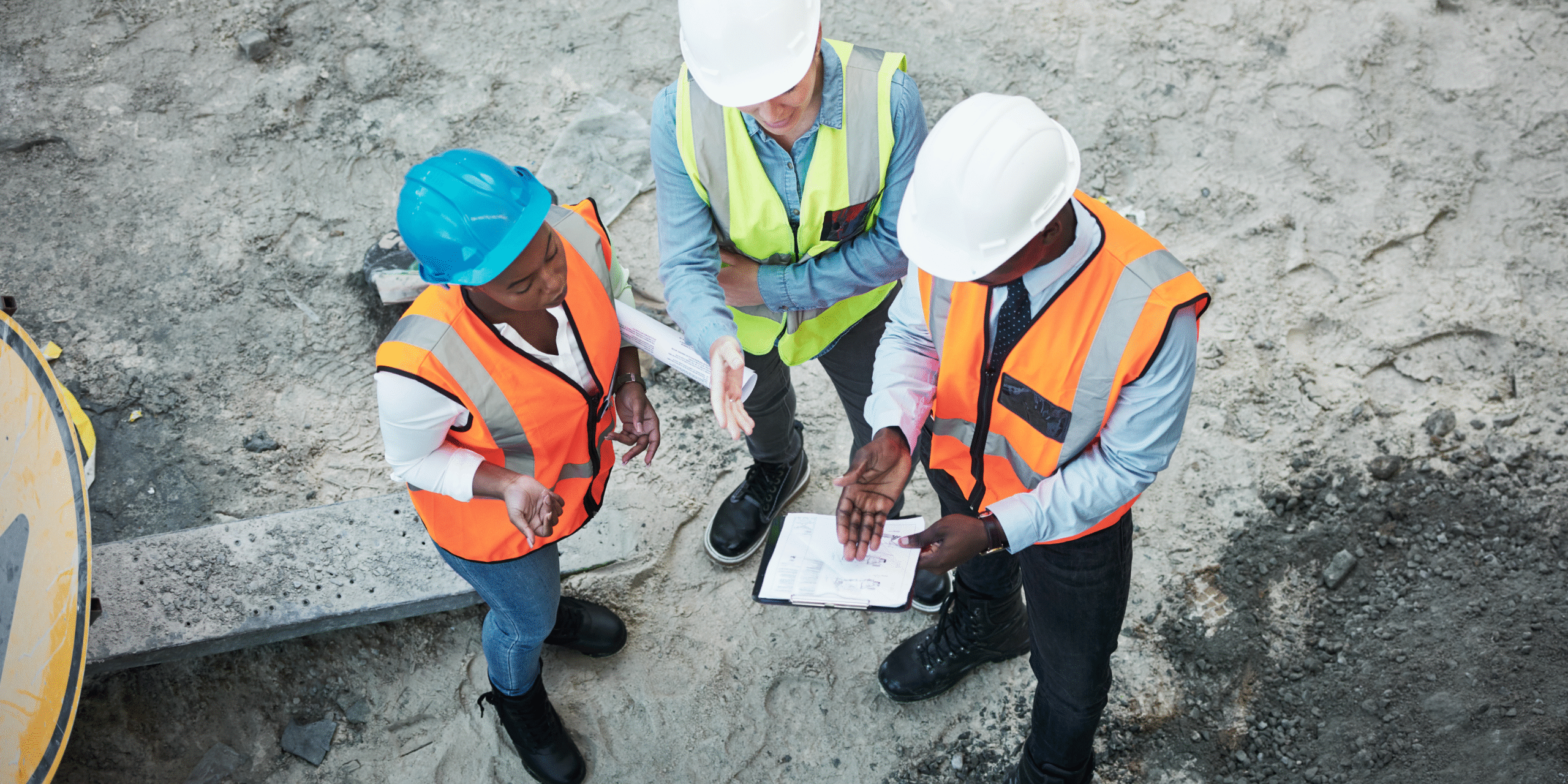
A workplace toolbox talk is a short, focused discussion delivered on site to raise awareness, reinforce safe behaviours and prompt action. In construction, toolbox talks are often used for safety topics, but they can also support wellbeing, mental health, fatigue management, communication and team culture.
The best toolbox talks are brief, relevant and easy to understand. They are not lectures. They are practical conversations that help workers connect important messages to real tasks, real pressures and real decisions on site.
When you think about how to schedule regular workplace toolbox talks for construction sites, it helps to see them as part of your operating system. They work best when they are predictable, leader supported and linked to the realities of the week ahead.
Why It Matters
Construction remains one of Australia’s higher risk industries, and strong communication is a core part of prevention. Safe Work Australia consistently highlights the importance of consultation, hazard awareness and practical risk control in creating safer workplaces. Regular toolbox talks support all three.
They also matter for attention, memory and behaviour. In fast paced environments, people are more likely to act on information that is repeated, simple and immediately relevant. Research from the Comcare psychosocial hazards guidance also shows that good work design and clear communication help reduce stress, confusion and preventable harm.
From a culture perspective, regular conversations build trust. They show that leaders are paying attention, not just to compliance, but to how people are coping and performing. That links closely with psychological safety, which Better Being explores in What Is Psychological Safety?.
Consistent talks can also improve engagement. When teams feel included in safety and wellbeing conversations, they are more likely to speak up, contribute ideas and support each other.
How To Schedule Regular Workplace Toolbox Talks For Construction Sites
1. Set A Fixed Cadence
Start by choosing a regular schedule that suits the pace of your site. For most construction teams, weekly works best. It is frequent enough to keep messages current, but realistic enough to maintain.
The reason this matters is simple. If talks are only delivered when someone remembers, they quickly become inconsistent. A fixed cadence reduces decision fatigue and makes attendance more predictable.
A practical example is scheduling toolbox talks every Monday before work starts, or every Thursday morning before the main shift begins. Pick a time that already suits site flow.
2. Align Talks With Site Milestones
Do not schedule in isolation. Match your toolbox talk calendar to project stages, high risk work, seasonal pressures and known pinch points. A talk on fatigue management is more useful during hot weather or major delivery periods than at random.
This makes the session feel timely rather than generic. Relevance increases engagement and helps people connect the message to their own work.
You might map topics monthly. For example, one month could focus on heat, hydration and recovery, while another covers communication, stress and speaking up.
3. Keep Topics Narrow And Practical
One common mistake is trying to cover too much in one session. A strong toolbox talk has one clear message, one or two practical examples and one action to take away.
This matters because short term attention on site is limited, especially when workers are thinking about deadlines, weather and task demands. Simplicity improves recall.
Instead of a broad talk on mental health, focus on one useful topic such as recognising fatigue, handling pressure or checking in with a mate.
4. Build A Three Month Schedule In Advance
If you want to know how to schedule regular workplace toolbox talks for construction sites in a sustainable way, this is one of the most effective steps. Plan your next 12 weeks in one sitting.
Advance planning reduces last minute scrambling. It also makes it easier to brief supervisors, prepare materials and avoid duplicated topics.
A simple schedule might include the date, topic, leader, crew, location and any supporting materials needed. Keep it visible in your site planning system.
5. Assign Ownership Clearly
Every scheduled talk should have one named owner. That could be a site manager, supervisor, HSE lead or project leader. Shared responsibility often leads to no responsibility.
Clear ownership improves follow through. It also helps leaders prepare and deliver with more confidence.
If several people present across the month, rotate delivery but keep central oversight with one person who tracks the calendar.
6. Make Delivery Easy For Leaders
Regular talks fail when leaders are expected to create content from scratch every week. The easier you make delivery, the more likely the talks will happen.
Provide a short script, key discussion points and one practical prompt. This reduces preparation time and improves consistency across crews.
If you want a lower effort option, Better Being’s On Demand Wellbeing Toolkits include ready to use toolbox talks and infographics designed for operational environments. They are built to help leaders run practical wellbeing conversations without extra facilitation.
7. Track Attendance And Themes
You do not need a complicated reporting system, but you do need a basic record. Track when talks happen, who attended and what topics were covered.
This creates accountability and helps you spot gaps. It also gives you something useful to review if incidents, absenteeism or team concerns start to rise.
Over time, you can identify which topics land well and where teams need more support. That kind of measurement is important for any workplace initiative, and Better Being explores that further in How To Measure Your Employee Wellbeing Program.
8. Review Monthly And Adjust
A good schedule should be consistent, but not rigid. Site conditions change. New risks emerge. Certain topics may need repeating in a different way.
A short monthly review helps you keep the schedule relevant. Ask what worked, what was missed and what issues are showing up on site.
If crews are disengaged, the problem may not be the frequency. It may be that talks are too generic, too long or too disconnected from daily work.
What Can Employers Do?
- Set expectations clearly: Make toolbox talks a standard part of site operations, not an optional extra when time allows.
- Plan ahead: Build a rolling calendar of topics linked to project risks, seasonal demands and workforce needs.
- Equip leaders: Give supervisors simple, ready to use materials so they can deliver talks confidently and consistently.
- Connect safety and wellbeing: Include topics such as fatigue, stress, recovery and communication alongside physical safety messages.
- Measure participation: Track delivery rates, attendance and common themes so you can improve over time.
- Support culture from the top: Leaders who show up, listen well and reinforce the message help normalise these conversations. This is closely tied to engagement, as explored in Boosting Employee Engagement Wellbeing Programs.
- Consider return on investment: Regular, relevant toolbox talks can support lower incident risk, better communication, stronger trust and more consistent wellbeing practices across teams.
- Use practical resources: Better Being can support operational teams with workplace wellbeing programs and ready to use On Demand Wellbeing Toolkits that include toolbox talks and infographics for frontline settings.
Key Takeaways
- Learning how to schedule regular workplace toolbox talks for construction sites starts with consistency. A fixed weekly rhythm is easier to maintain than an ad hoc approach.
- Toolbox talks work best when topics are timely, simple and directly relevant to current site conditions. Practical beats generic every time.
- Planning three months ahead reduces last minute stress and makes it easier to assign leaders, materials and clear ownership.
- Leaders are more likely to deliver regular talks when the content is easy to use. Ready made resources can remove a major barrier.
- Tracking attendance and reviewing themes helps you improve quality over time and shows where extra support may be needed.
- For construction businesses, regular toolbox talks can strengthen safety, wellbeing, communication and culture in one simple routine.
If you want support creating practical wellbeing conversations for frontline teams, get in touch with Better Being.