
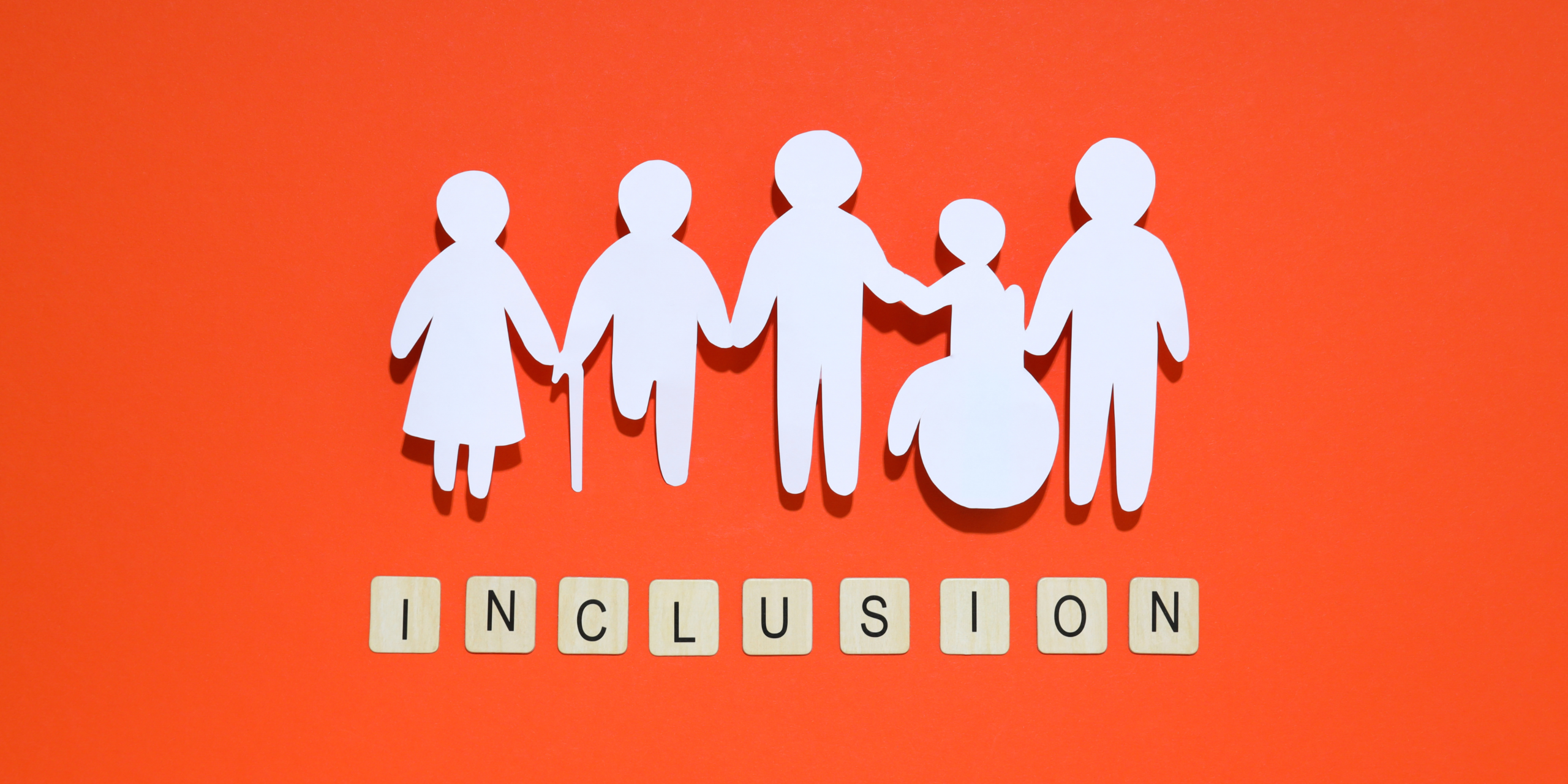
Inclusivity in the workplace isn’t just a buzzword, it’s a critical component of a thriving corporate working culture. Employees who feel respected, valued, and heard are more engaged, productive, and resilient. On the flip side, environments that overlook inclusivity can experience higher turnover, lower morale, and even negative impacts on mental health.
Creating an inclusive workplace takes more than policy statements. It requires active effort, awareness, and leadership commitment to ensure all team members feel a sense of belonging.
In this article, we’ll explore what inclusivity truly means in a corporate environment, why it matters for employee wellbeing, and practical strategies organisations can implement to build a culture where everyone can succeed.
What is Workplace Inclusivity?
Inclusivity goes beyond diversity. While diversity focuses on representation, inclusivity is about ensuring every employee feels welcomed, respected, and empowered to contribute.
A truly inclusive culture encourages:
- Equal opportunity for growth and recognition
- Psychological safety for sharing ideas and feedback
- Flexibility to accommodate different needs, abilities, and backgrounds
Inclusivity isn’t a one-time initiative, it’s an ongoing effort to embed values and behaviours that celebrate differences and encourage collaboration.
Why It Matters
Inclusive corporate cultures have been shown to boost engagement, innovation, and overall organisational performance.
- Employee wellbeing: Employees in inclusive workplaces report lower stress and higher satisfaction. Feeling valued reduces anxiety and increases confidence.
- Performance and innovation: Diverse perspectives lead to better decision-making, creativity, and problem-solving. Teams that feel psychologically safe are more willing to share ideas.
- Retention and recruitment: Candidates increasingly choose employers based on culture and values, not just salary. Inclusive organisations attract and retain top talent.
For example, employees who feel excluded or undervalued may disengage or experience burnout, while inclusive teams often exhibit higher resilience and collaboration.
Common Barriers
Building inclusivity isn’t without challenges:
- Unconscious bias: People may unintentionally favour those who are similar to them.
- Limited representation in leadership: Lack of role models can affect perceptions of opportunity.
- Resistance to change: Employees may feel uncomfortable with new practices or policies.
- Insufficient training or resources: Leaders and teams may not know how to implement inclusive strategies effectively.
The good news is that each of these barriers can be addressed through deliberate actions and ongoing education.
How To Build an Inclusive Corporate Culture
1. Provide Diversity and Inclusion Training
Awareness of unconscious bias and inclusive behaviours equips employees to act respectfully and fairly.
Tip: Offer workshops and e-learning that explore bias, microaggressions, and inclusive leadership practices. Make it part of onboarding for new employees.
2. Foster Psychological Safety
Employees are more engaged and innovative when they feel safe to speak up without fear of ridicule or reprisal.
Tip: Encourage open dialogue, actively listen, and normalise the sharing of different perspectives.
3. Implement Flexible Work Practices
Flexibility supports diverse needs, including those related to caregiving, health, and lifestyle.
Tip: Offer options for hybrid work, varied hours, and leave arrangements to accommodate individual circumstances.
4. Recognise and Celebrate Differences
Visibility and acknowledgment of differences strengthens belonging and morale.
Tip: Celebrate cultural events, highlight employee achievements, and encourage teams to share personal experiences and perspectives.
5. Establish Inclusive Policies and Procedures
Clear, fair policies set expectations and protect employee rights.
Tip: Review recruitment, promotion, and performance management practices to ensure they are equitable. Provide a safe, anonymous way for employees to report concerns.
6. Leadership Accountability
Leaders set the tone for corporate culture. Their commitment to inclusivity influences behaviours throughout the organisation.
Tip: Incorporate inclusivity into leadership KPIs and reward inclusive behaviours. Lead by example, showing respect, empathy, and openness.
For Workplaces
What Employers Can Do
- Integrate inclusivity into corporate values and communications.
- Provide ongoing training and mentoring to support inclusive behaviours.
- Encourage employee resource groups or committees focused on diversity and wellbeing.
- Track employee engagement and wellbeing metrics to monitor inclusivity efforts.
By embedding inclusivity into the culture, organisations can enhance both performance and employee wellbeing, creating workplaces where everyone feels they belong.
Long-Term Habits & Accountability
Sustaining an inclusive culture requires continuous effort:
- Regularly evaluate policies and practices for fairness and accessibility.
- Celebrate wins and acknowledge areas for improvement.
- Provide coaching and support for leaders to model inclusive behaviours consistently.
- Encourage feedback from employees and act on it promptly.
Key Takeaways
- Inclusivity goes beyond representation — it’s about belonging, respect, and empowerment.
- Inclusive cultures improve employee wellbeing, engagement, and retention.
- Psychological safety, flexibility, and recognition are key pillars of an inclusive environment.
- Leaders play a crucial role in modelling and reinforcing inclusive behaviours.
If you’re ready to create a more inclusive workplace that enhances both culture and employee wellbeing, we’d love to help. Get in touch with Better Being for personalised support.