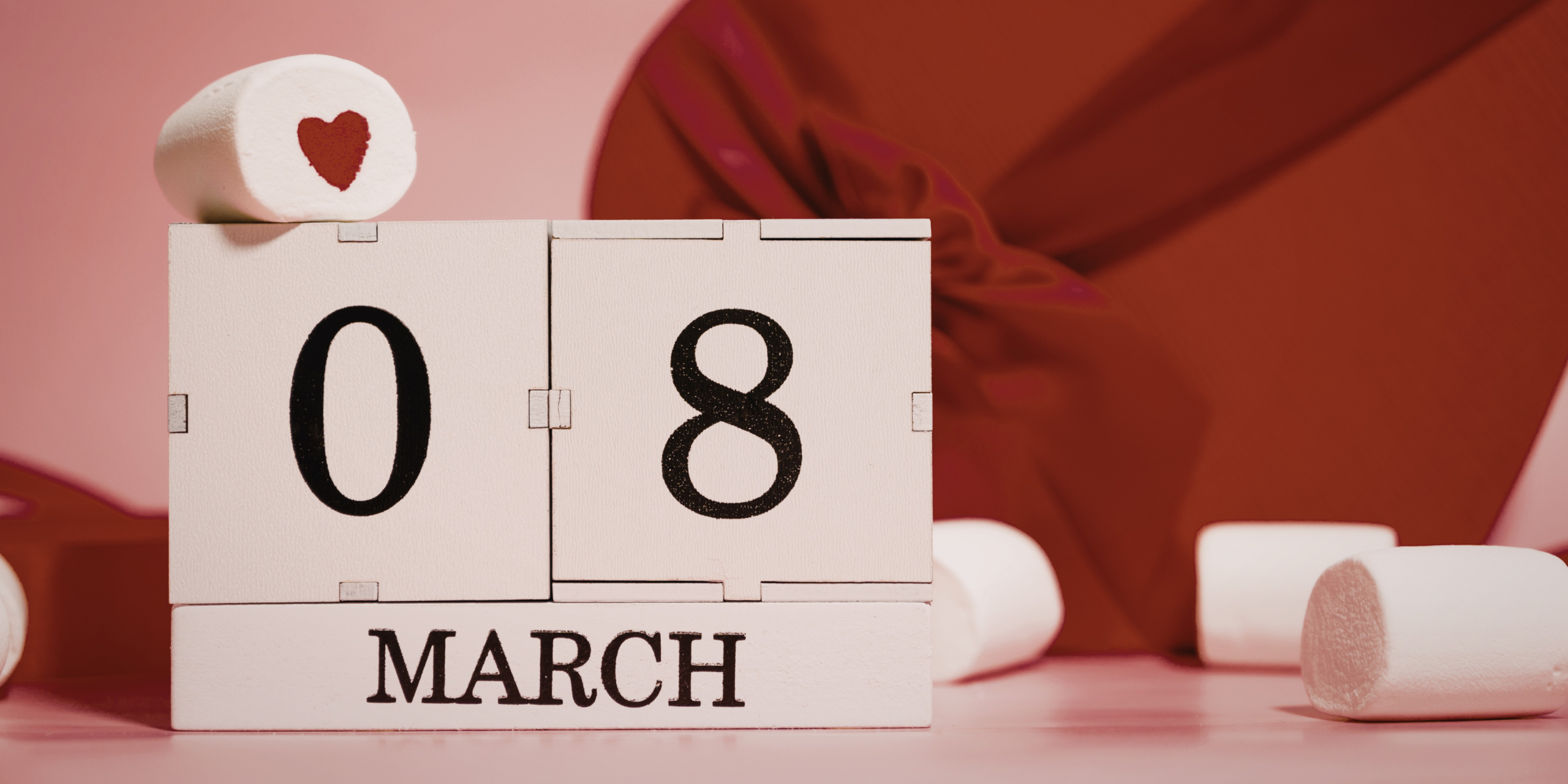
If you are planning events around the International Women’s Day date or want to deepen your team’s understanding of why March 8th matters, you are in the right place. Beyond morning teas and social posts, this is a powerful moment to refocus on health, equity, and performance in the workplace. When done well, it can lift engagement, sharpen decision making, and build a culture where everyone can thrive.
Many organisations celebrate the day but miss the chance to create lasting change. With clear intent and a few practical steps, you can turn a single date into momentum for better policies, healthier routines for professionals, and evidence based performance strategies that benefit your whole workforce.
In this article, we define the International Women’s Day date, unpack its history and global significance, and give you a simple plan to celebrate with purpose at work and carry that energy into the rest of the year.
What is International Women’s Day?
International Women’s Day is a global day that recognises women’s achievements and calls for gender equality. It is marked every year on March 8th. The day highlights progress and the work still to be done across health, safety, education, leadership, and economic security.
While celebrations can be public facing, the strongest impact often happens inside organisations through practical actions that improve everyday experience. That includes healthier work design, fair access to development, safer cultures, and support for women’s wellbeing across life stages.
International Women’s Day Date And Origins
The international women’s day date is March 8th each year. Its roots go back to early twentieth century movements for labour rights and votes for women. In 1910, the idea for a dedicated day was proposed at an international conference of working women. The first official gatherings followed in 1911 across parts of Europe. Decades later, the United Nations began marking the day in 1975 and invited countries to observe it in 1977, tying the date to ongoing efforts for rights and peace. For a detailed timeline, see the United Nations overview and the International Women’s Day timeline.
The United Nations recognises March 8th with an annual theme to guide global action. You can also explore the historical timeline at
InternationalWomensDay.com and the policy context via
UN Women.
Why it Matters For Health Performance And Culture
Gender equality is linked to better health and stronger business outcomes. Diverse teams make better decisions and innovate more. Fair and safe workplaces reduce stress, burnout, and costly turnover. When women have equal access to supportive policies, they are more likely to stay, lead, and perform at their best.
There is also a clear wellbeing lens. Work conditions shape physical and mental health. Chronic stress elevates cortisol and inflammation which impairs focus and recovery. Equitable flexibility, psychological safety, and supportive leadership buffer these risks and help people maintain healthy routines. Evidence from global bodies such as the
World Health Organisation links well designed work to reduced anxiety and improved productivity.
For Australia, the day is an opportunity to align with national goals on gender equity and to boost practical initiatives that improve access to leadership, reduce pay gaps, and support stages like menstruation, fertility treatment, pregnancy, return to work, and menopause. These steps are not only fair, they are smart performance moves.
How to Turn March 8th into Lasting Impact
Use this plan to design an event that educates, energises, and creates change well beyond the international women’s day date.
- Set a clear purpose
Decide what success looks like. Common goals include raising awareness of health and career barriers, committing to one policy shift, and starting mentoring or sponsorship. Clarity prevents a box ticking event and keeps focus on outcomes.
- Ground your message in evidence
Share two or three facts that matter locally. Examples include representation in leadership bands, pay equity progress, and health related claims. Context supports better decisions and counters myths. Link to reputable sources like the UN Women facts and figures.
- Host a panel with lived and expert voices
Combine internal leaders with a credible health or performance expert. Explore energy management, flexible work that actually works, and pathways into leadership. Keep it interactive and finish with two practical actions for every attendee.
- Offer a wellbeing activation
Run a short movement break, breathwork, or a micro session on nutrition for sustained energy. Give a one page guide people can use the next day. Small changes stick when they are simple and supported.
- Commit to one policy improvement
Examples include a menopause support guideline, a standard for safe hybrid work, or paid leave for family and domestic violence. Announce the change on 8 March and publish the next milestone date.
- Launch mentoring or sponsorship
Pair emerging female talent with leaders. Set clear objectives and quarterly check ins. Sponsors open doors, mentors build confidence and skills.
- Measure and share progress
Track participation, feedback, and behaviour changes like uptake of flexible work or learning pathways. Report back at 90 days and again at six months. Transparency builds trust and momentum.
Practical Tips For Individuals
- Plan energy like a meeting
Block a ten minute walk after lunch to boost blood flow and mental clarity at work. Protect one focus block daily with notifications off.
- Build a simple plate
Base meals on protein, colourful plants, and whole grains to support stable energy. Pack a snack like yoghurt and fruit to avoid the three pm slump.
- Use micro resets
Try box breathing for two minutes between meetings. Short resets reduce stress load and improve attention.
- Ask for what you need
Have a direct conversation about flexibility, workload, or resources. Frame it around outcomes and client impact.
- Find your crew
Join or start a network. Shared accountability helps new habits stick and opens doors to opportunity.
What Can Employers do?
- Make the day meaningful: Tie your event to one policy commitment and a timeline for review.
- Invest in health literacy: Offer sessions on sleep, stress, movement, and nutrition tailored to different life stages.
- Support flexible work with guardrails: Define team norms for availability, response times, and meeting free focus blocks.
- Create safe channels: Promote confidential reporting and clear pathways for support, including external services.
- Back leaders with training: Build capability in inclusive leadership, active listening, and performance coaching.
- Track leading indicators: Monitor workload, recovery time, psychological safety, and access to development.
- Partner with experts: Bring in a wellbeing provider to design programs with real behaviour change, not one off events.
For more on building cultures that support women’s health and performance year round, explore our article on
supporting women’s wellbeing in the workplace.
Key Takeaways
- The international women’s day date is March 8th and it carries a long history of advocacy and action.
- Use the day to drive practical outcomes in health, safety, flexibility, leadership access, and culture.
- Ground events in evidence and make one clear commitment you will report on.
- Small daily habits like movement, smart nutrition, and micro resets lift focus and resilience.
- For workplaces, well designed programs deliver better engagement, retention, and performance.
If you want expert support to turn March 8th into measurable progress across wellbeing and performance,
get in touch with Better Being.
READY TO IMPLEMENT A WELLBEING PROGRAM WITH TANGIBLE BENEFITS FOR EVERYONE INVOLVED?