
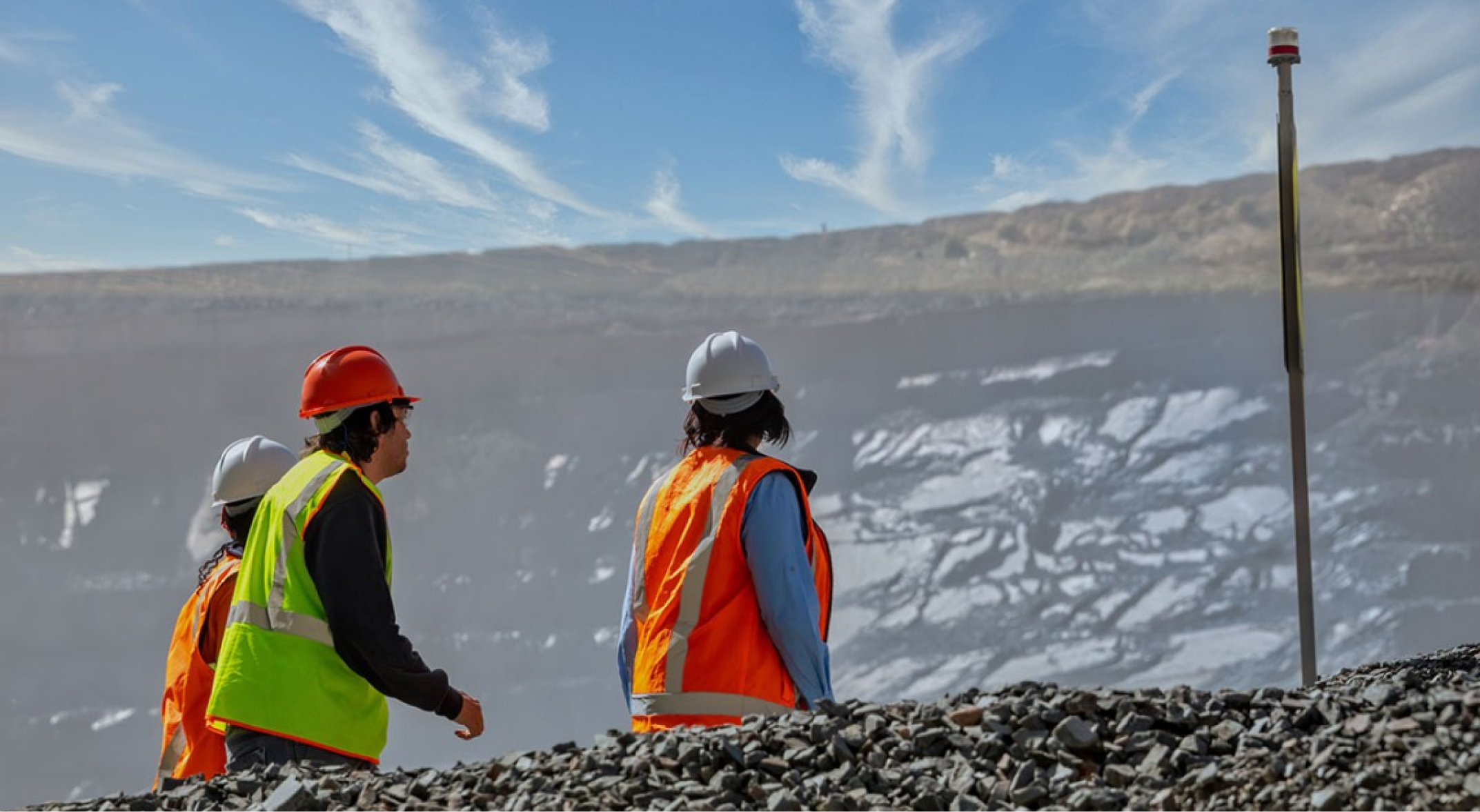
National Tradies Health Month puts a much needed spotlight on the health challenges many tradies face every day. Long hours, early starts, physical demands, heat, deadlines, travel between jobs, missed breaks and the pressure to just get on with it can all take a toll on energy, mood, recovery and long term health.
If you work in construction, trades or a related industry, you probably know how easy it is for health to slide down the priority list. You might skip breakfast, rely on servo food, push through pain, ignore stress or tell yourself you will deal with it later. The problem is that later often becomes months or years.
For employers and leaders, National Tradies Health Month is also a practical reminder that tradie health and wellbeing is not just a personal issue. It affects safety, performance, absenteeism, morale and culture. Supporting healthier habits at work can make a real difference on site and beyond.
In this article, we’ll break down what National Tradies Health Month is really about and show you practical ways to support better physical health, mental health and recovery in trade based workplaces.
What Is National Tradies Health Month?
National Tradies Health Month is an awareness campaign focused on improving the physical and mental health of people working in trades. It encourages tradies, employers and the broader community to pay attention to common risks such as poor diet, fatigue, stress, injuries, smoking, alcohol use and delayed help seeking.
It also helps challenge a common myth that being tough means ignoring your health. Real strength is looking after yourself well enough to keep showing up for work, family and life. That includes speaking up early, getting support when needed and building habits that actually work in the real world.
For many tradies, health support needs to be practical, direct and easy to access. It has to fit around job sites, toolboxes, travel time and physically demanding work. That is why small, consistent actions often beat all or nothing plans.
Why National Tradies Health Month Matters
Tradies face a mix of physical and psychological demands that can compound over time. According to Safe Work Australia, construction remains one of the highest risk industries for serious injury and fatality. Physical risk is the obvious part, but mental strain matters too.
Men are less likely to seek help early for mental health concerns, which can lead to problems escalating before support is accessed. In trade heavy industries, that can be made worse by stigma, long work hours and a culture of pushing through.
Sleep and fatigue are another major issue. The Sleep Health Foundation highlights that poor sleep affects concentration, reaction time, mood and recovery. On site, that has obvious implications for safety and decision making.
Nutrition matters too. Skipped meals, low fibre takeaway food, sugary drinks and inconsistent hydration can leave you flat, irritable and slow to recover. If this sounds familiar, our article on nutrition at work offers practical ideas that fit a busy workday.
National Tradies Health Month matters because better health is not just about avoiding illness. It is about having the energy, focus and resilience to perform well, recover properly and stay well for the long haul.
How To Support Tradie Health and Wellbeing
1. Start the day with real fuel
Try not to begin the day on coffee alone. A simple breakfast with protein, fibre and slow release carbohydrates can support steadier energy and concentration through the morning.
That might look like overnight oats, eggs on grainy toast, yoghurt with fruit, or a sandwich packed the night before. If mornings are rushed, prepare something grab and go. Better fuel early often means fewer energy crashes later.
2. Make hydration easy
Even mild dehydration can affect focus, mood and physical performance. This matters even more when you are working outdoors, lifting, climbing or spending time in hot conditions.
Keep a large water bottle in the ute or on site and refill it at set times during the day. If you sweat heavily, especially in summer, you may also need extra electrolytes at times. Our article on hydration choices can help you think more clearly about what is useful and what is just marketing.
3. Build movement that supports the body, not just the job
Trade work is physical, but that does not always mean it is balanced movement. Repetitive tasks, awkward positions and heavy loads can create tension, weakness and pain over time.
Short mobility work before the day starts, strength training two or three times a week and a few minutes of stretching after work can help support joints, posture and recovery. If your shoulders or upper back are feeling it, our article on shoulder pain includes useful principles that apply beyond desk work too.
4. Take fatigue seriously
Fatigue is not just feeling tired. It affects attention, judgement, reaction time and emotional control. That can increase the risk of incidents, conflict and mistakes.
Aim for a consistent sleep routine where possible, limit late night scrolling and keep alcohol from becoming your default wind down tool. If you want to understand how sleep affects performance, read our article on the impact of sleep on employee performance.
5. Check in on stress early
Stress often shows up as irritability, poor sleep, low motivation, headaches, poor concentration or pulling away from others. Many tradies are great at spotting issues in equipment or materials, but slower to notice their own warning signs.
Try a simple daily check in. Ask yourself how your energy, mood and patience are tracking out of ten. If things feel off for more than a couple of weeks, speak to your GP or a mental health professional. Our article on stress management techniques is a helpful starting point.
6. Normalise talking, not bottling it up
One of the most powerful things National Tradies Health Month can do is make health conversations more normal. A quick check in with a mate, a toolbox talk that covers mental health, or a leader sharing their own strategies can help break down stigma.
This does not need to be heavy or formal. Often, simple and genuine works best. Our article Guys, we need to talk speaks directly to why these conversations matter.
7. Make health support practical
Good intentions are not enough if support is hard to access. Tradies are more likely to engage with health initiatives that are convenient, relevant and clearly useful.
Think simple meal ideas, onsite screening, practical workshops, short coaching touchpoints and resources that respect the realities of the job. Support needs to feel like it fits the day, not adds more pressure to it.
What Can Employers Do?
- Start with leadership visibility: When supervisors and managers talk openly about health, recovery and asking for help, it sets the tone for the whole team.
- Make support easy to access: Offer wellbeing initiatives during work hours where possible, not only after hours when people are already stretched.
- Prioritise fatigue management: Review rosters, breaks, travel expectations and workload peaks so fatigue risk is addressed proactively.
- Use practical health education: Focus on topics tradies actually care about, such as sleep, stress, nutrition, pain, hydration and mental fitness.
- Train leaders to spot early signs: Equip frontline leaders to notice changes in mood, behaviour, performance and social withdrawal.
- Link wellbeing to safety: Position health and wellbeing as a core part of safe performance, not a separate nice to have initiative.
- Measure what matters: Track participation, feedback, absenteeism, claims trends and engagement so you can assess what is working.
Better Being supports organisations with tailored workplace wellbeing strategies that are evidence informed, practical and designed for real world uptake. If you are reviewing your approach, you may also find our article on how effective workplace wellbeing programs are useful.
Key Takeaways
- National Tradies Health Month is a valuable opportunity to focus on the real health pressures tradies face at work and at home.
- Tradie health and wellbeing includes physical health, mental health, sleep, nutrition, hydration, recovery and help seeking.
- Small consistent habits like better breakfast choices, regular water intake and earlier stress check ins can make a meaningful difference.
- Fatigue and poor mental health can affect safety, concentration, mood and long term wellbeing, so early action matters.
- Workplaces play a major role by making support practical, visible and relevant to the realities of trade based work.
- National Tradies Health Month works best when it leads to ongoing action, not just one conversation or one campaign.
If you want to strengthen tradie health and wellbeing in your workplace, get in touch with Better Being for tailored support.