
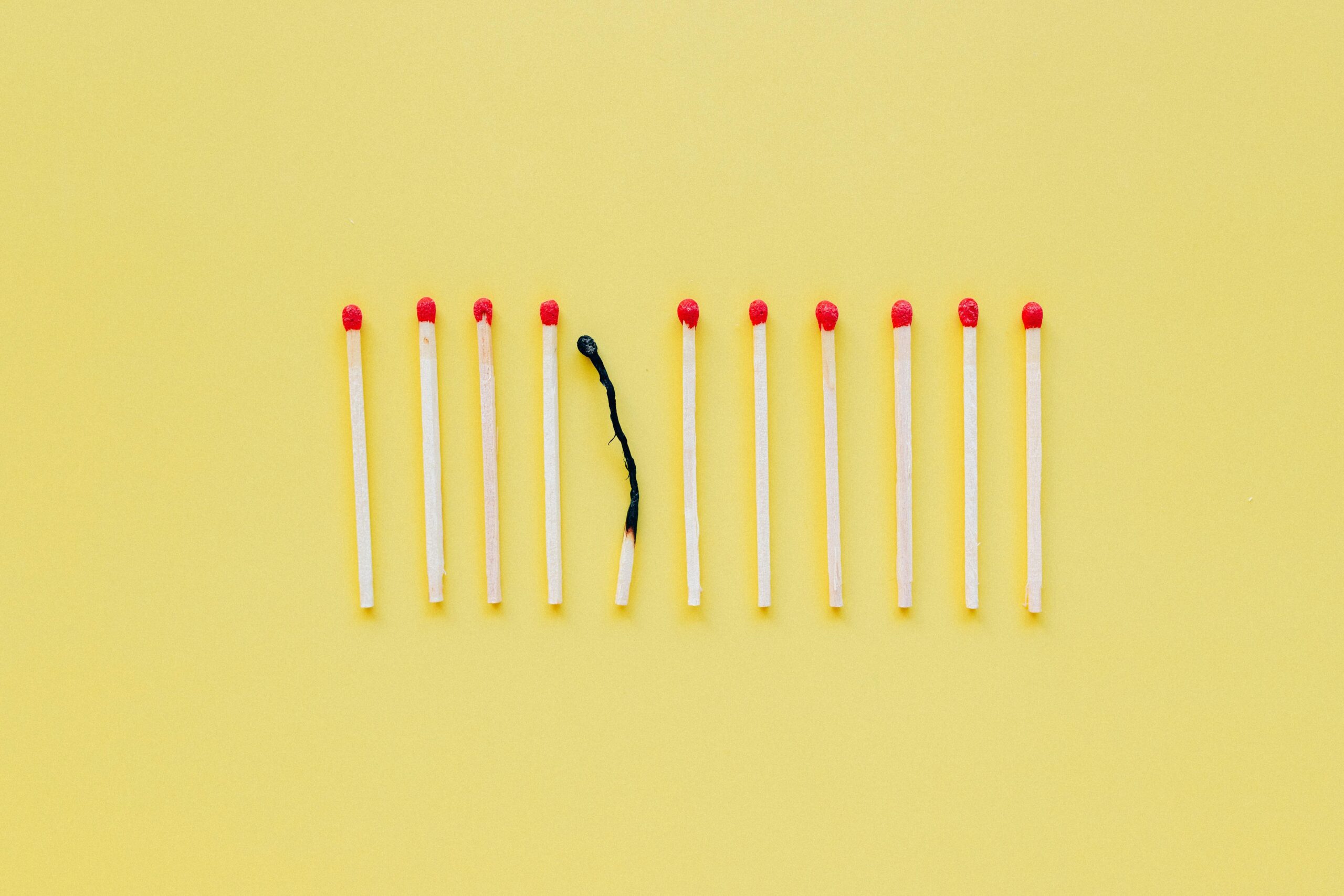
If you have noticed headaches, tight shoulders, poor sleep or snapping at small things, you could be dealing with stress symptoms. They can creep in quietly during busy periods and undermine your energy, mood and performance.
The upside is that stress is workable. With simple, evidence based strategies you can feel calmer, think more clearly and protect your long term health. In this article we will explain stress symptoms, why they matter and practical steps you can start today.
What Are Stress Symptoms?
Stress is your body’s response to pressure. Short bursts can help you focus. Ongoing stress keeps your nervous system on high alert which shows up as physical, emotional and behavioural signs. Common stress symptoms include:
- Physical: headaches, jaw clenching, neck and shoulder pain, stomach upsets, rapid heart rate, frequent colds, changes in appetite
- Emotional: irritability, anxiety, feeling flat, overwhelm, racing thoughts
- Cognitive: brain fog, trouble concentrating, forgetfulness, indecision
- Behavioural: poor sleep, reliance on coffee or alcohol, skipping meals, reduced exercise, social withdrawal
These signals are helpful feedback. They are not a personal failing. They are your system asking for adjustment.
Why Stress Symptoms Matter
When stress stays high, cortisol and adrenaline remain elevated. Over time this affects immune function, blood pressure, digestion, pain sensitivity and sleep regulation. The World Health Organisation recognises chronic stress as a risk factor for reduced health and work capacity. See the World Health Organisation overview of stress for context here.
Sleep is often the first casualty. Poor sleep worsens emotional regulation and decision making which amplifies stress the next day. The Sleep Foundation explains this two way relationship between sleep and stress here. For more on sleep and performance at work, explore our article on the impact of sleep on employee performance here.
Left unchecked, stress symptoms can progress to burnout. If you suspect burnout, read our guide to burnout strategies here and our article Are You Burnt Out? here.
Common Barriers
- Lack of time: back to back meetings and long commutes make recovery feel impossible
- All or nothing thinking: waiting for the perfect routine rather than starting small
- Confusing advice: too many tips, not enough simple steps to follow
- Work culture: always on expectations that discourage breaks and boundaries
The good news is you do not need a complete overhaul. Small consistent tweaks create momentum.
How To Recognise And Reduce Stress Symptoms
1. Spot Your Early Warning Signs
Write a short list of your top three stress symptoms such as jaw tension, shallow breathing or doom scrolling at night. Name them so you can catch them earlier. Early action prevents escalation.
2. Use A Two Minute Breathing Reset
Slow nasal breathing helps switch your nervous system from alert to calm. Try four seconds in and six seconds out for two minutes. Set a calendar nudge at 11am and 3pm or pair it with boiling the kettle.
3. Protect Blood Sugar With Regular Meals
Skipping meals can mimic stress symptoms like irritability and brain fog. Aim for protein and fibre at breakfast and lunch. Example breakfast oats with Greek yoghurt, berries and nuts. Example lunch salmon or tofu wrap with salad and avocado.
4. Move Every Ninety Minutes
Movement clears stress hormones and eases muscle tension. Stand for calls, take a three minute stair lap or suggest a walking one to one. For more ideas, see our desk exercises at work guide here.
5. Set Clear Digital Boundaries
Decide on a latest email cut off and remove alerts after that time. Use do not disturb and schedule send for the morning. This protects evening wind down and sleep quality.
6. Build An Evening Wind Down
Choose a simple twenty minute routine lights dimmed, warm shower, gentle stretch, read something light. Keep phones out of the bedroom if possible. Consistency beats perfection.
7. Replace One Coping Crutch
If stress equals extra coffee or midweek drinks, swap one instance for water or herbal tea. Reducing stimulants late in the day helps sleep and reduces next day stress symptoms. Learn more about coffee and performance here.
8. Train Your Stress Response
Short structured exposures like interval walking, cold rinse or breath holds can build tolerance when used wisely. Start light and keep it safe. For a performance lens, read performing under pressure here and leveraging stress to your advantage here.
9. Prioritise Connection
Talk to a colleague or friend daily about something non work. Social support buffers stress and improves resilience.
10. Get Help Early
If stress symptoms persist or worsen, speak with your GP or a registered psychologist. Early support shortens recovery and protects health.
What Can Employers Do?
- Normalise early help seeking: Share clear pathways to support and highlight confidentiality
- Make recovery visible: Encourage walking meetings, micro breaks and no meeting blocks
- Set communication norms: Agree on response time expectations and after hours boundaries
- Invest in skills: Provide practical training in stress management and mental fitness
- Measure what matters: Track leading indicators like sleep quality and workload clarity alongside lagging metrics
- Partner with experts: Bring in structured programs that coach habits and accountability
For practical guidance, explore our stress management techniques for high performers here and mental fitness in corporate wellbeing here.
Long Term Habits And Accountability
Stack new habits onto existing routines, set simple cues and celebrate small wins each week. Use a brief weekly check in to review energy, mood, sleep and top stress symptoms. If you want structured support, Better Being can coach you or your team with evidence based programs that fit busy Australian workplaces.
Key Takeaways
- Stress symptoms are common signals that your system needs adjustment
- Left unchecked, chronic stress impacts sleep, focus, immunity and heart health
- Small daily actions breathing, movement, meals, boundaries reduce symptoms quickly
- Workplace norms and support make healthy choices easier for everyone
- Training your stress response builds resilience and sustained performance
- Early help and ongoing accountability protect long term wellbeing
If you are ready to reduce stress symptoms and build habits that last, we would love to help. Get in touch with Better Being for tailored support.


