
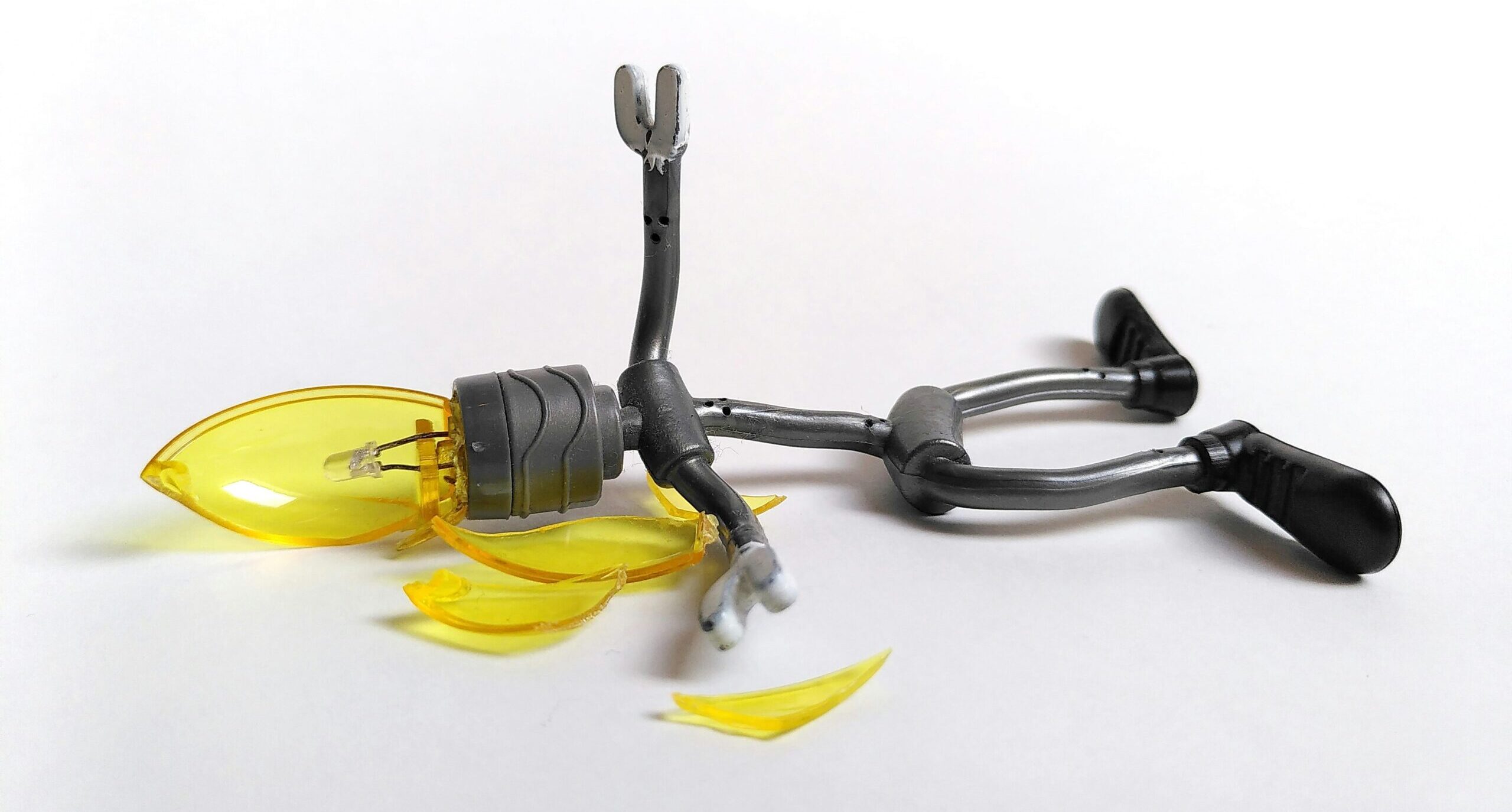
If you have been feeling wired at night, snappy in meetings, or constantly on edge, you are not alone. Many professionals push through stress symptoms until they spill into sleep, energy, and relationships. The result is slower thinking, poorer decisions, more sick days, and a lingering sense that you are never fully switched off.
The good news is that stress is workable. When you spot stress symptoms early and respond with simple routines, you protect your health and your performance. In this article, we will explain what stress symptoms look like, why they matter for your brain and body, when to seek help, and the practical steps that make the biggest difference.
What Are Stress Symptoms?
Stress is your body’s normal response to demand. A deadline or a big presentation triggers your alert system, releasing hormones like cortisol and adrenaline. In short bursts this is useful. When the load is constant, the same system stays activated and shows up as stress symptoms that affect mood, body, and behaviour.
Common stress symptoms include ongoing worry, irritability, brain fog, headaches, jaw clenching, neck and shoulder tightness, stomach upset, changes in appetite, poor sleep, racing heart, and a tendency to withdraw or overwork. Occasional signs are normal. Persistent stress symptoms signal that your system needs support.
Why Stress Symptoms Matter
When stress becomes chronic, cortisol stays elevated. Over time this can disrupt sleep quality, impair memory and focus, raise blood pressure, and increase inflammation. The Australian Government health guidance notes that prolonged stress is linked with higher risk of anxiety, depression, and cardiovascular disease.
Sleep is often the first casualty. Trouble falling or staying asleep reduces your brain’s overnight clean up, which affects memory consolidation and emotional regulation. The Sleep Foundation details how stress and poor sleep reinforce each other, creating a loop that erodes daytime performance.
From a workplace perspective, sustained stress symptoms drive absenteeism, presenteeism, and safety risks. Our guide on the impact of stress on heart health outlines how ongoing stress can affect cardiovascular function, while these stress management techniques for high performers show practical ways to interrupt the cycle.
When To Seek Help?
Reach out early. You should seek help when any of the following apply:
- Stress symptoms persist most days for more than two weeks
- Sleep issues affect your ability to function during the day
- You notice panic sensations like chest tightness or breathlessness
- Alcohol or other coping methods are increasing
- Mood changes start impacting work, relationships, or safety
- You suspect burnout or feel detached and cynical about work
Start with your GP for a health check and referral options. If you are in immediate crisis, contact emergency services or Lifeline on 13 11 14.
For context on burnout signs and solutions, explore Are You Burnt Out and our evidence informed burnout strategies.
Common Barriers
- Busy schedules: You feel there is no time to pause or recover
- Normalising stress: You assume stress symptoms are just part of the job
- All or nothing mindset: You wait for a perfect plan instead of starting small
- Conflicting advice: You are unsure what actually works
The good news is you do not need a total life overhaul. Small, consistent tweaks compound.
How To Reduce Stress Symptoms And Know You Are On Track
Check Your Baseline
Keep a simple daily log for one week noting sleep hours, energy on waking, mood, movement, and key stress symptoms. This creates awareness and shows what helps or harms. A short log beats guessing.
Protect Sleep With A Wind Down
Sleep restores your stress system. Aim for a consistent bedtime and a 30 minute wind down without screens. Dim lights, stretch gently, read, or try a slow breathing drill. Quality sleep reduces cortisol reactivity the next day.
Breathe To Shift Gears
Use a two minute practice three times a day. Inhale through your nose for four seconds, exhale for six seconds, and pause for two. Longer exhales activate your calming system. Set calendar nudges at mid morning, mid afternoon, and pre sleep.
Move Every Ninety Minutes
Short movement breaks reduce muscle tension and clear mental static. Do a brisk lap, stair set, or desk mobility. Five minutes counts. Regular movement improves mood and sharpens focus, as we explain in how exercise enhances employee performance.
Fuel Steady Energy
Build meals around protein, colourful plants, and smart carbs. This steadies blood sugar and supports neurotransmitters that regulate mood. If afternoons are rough, add a balanced lunch and a protein rich snack by three o clock. Avoid relying only on coffee.
Set Boundaries Around Work
Choose one signal that work is done. Close your laptop, write your tomorrow list, and step outside for two minutes. Clear edges reduce rumination and evening stress symptoms.
Use Brief Mindset Resets
When pressure spikes, label the stressor, choose the next visible action, and start. Name it, do one thing, then reassess. This keeps you out of paralysis. For more skills, see performing under pressure and leveraging stress to your advantage.
Connect Daily
Even short positive interactions buffer stress. Message a mate, take a walking meeting, or eat lunch with a colleague. Social connection is protective, as highlighted by global health research from the World Health Organisation.
Track Two Markers
Pick two that matter to you, such as sleep quality and evening tension. Review weekly. If stress symptoms are trending down, keep going. If not, consider extra support.
What Can Employers Do?
- Normalise help seeking: Share resources, invite credible speakers, and encourage early GP checks when stress symptoms persist.
- Make recovery visible: Encourage walking meetings, quiet zones, and brief reset breaks without stigma.
- Upskill leaders: Train managers to spot early signs and to have supportive conversations, not performance only chats. Explore our Leading Well leadership training program here.
- Design smarter workload rhythms: Use focus blocks, limit unnecessary meetings, and set clear out of hours expectations.
- Measure what matters: Track leading indicators like sleep quality, workload clarity, and recovery behaviours.
- Partner with experts: Better Being delivers wellbeing programs that build resilience and performance with measurable outcomes.
Long Term Habits And Accountability
Change sticks when it is simple and supported. Stack new actions onto existing routines. Pair your wind down with brushing your teeth. Add a two minute breath reset after lunch. Use calendar nudges and share your plan with a colleague. Consider coaching if you want structure and feedback.
Key Takeaways
- Stress symptoms are common and workable when you respond early
- Sleep, steady movement, and brief breathing practices lower daily load
- Small, repeatable actions beat big plans that never start
- Seek help if stress symptoms persist, impact function, or escalate
- Workplaces can reduce risk by shaping rhythms, skills, and support
- Better Being provides practical programs that build resilience and measurable results
If you are ready to reduce stress symptoms and build routines that support peak performance, we would love to help. Get in touch with Better Being for tailored workplace support.