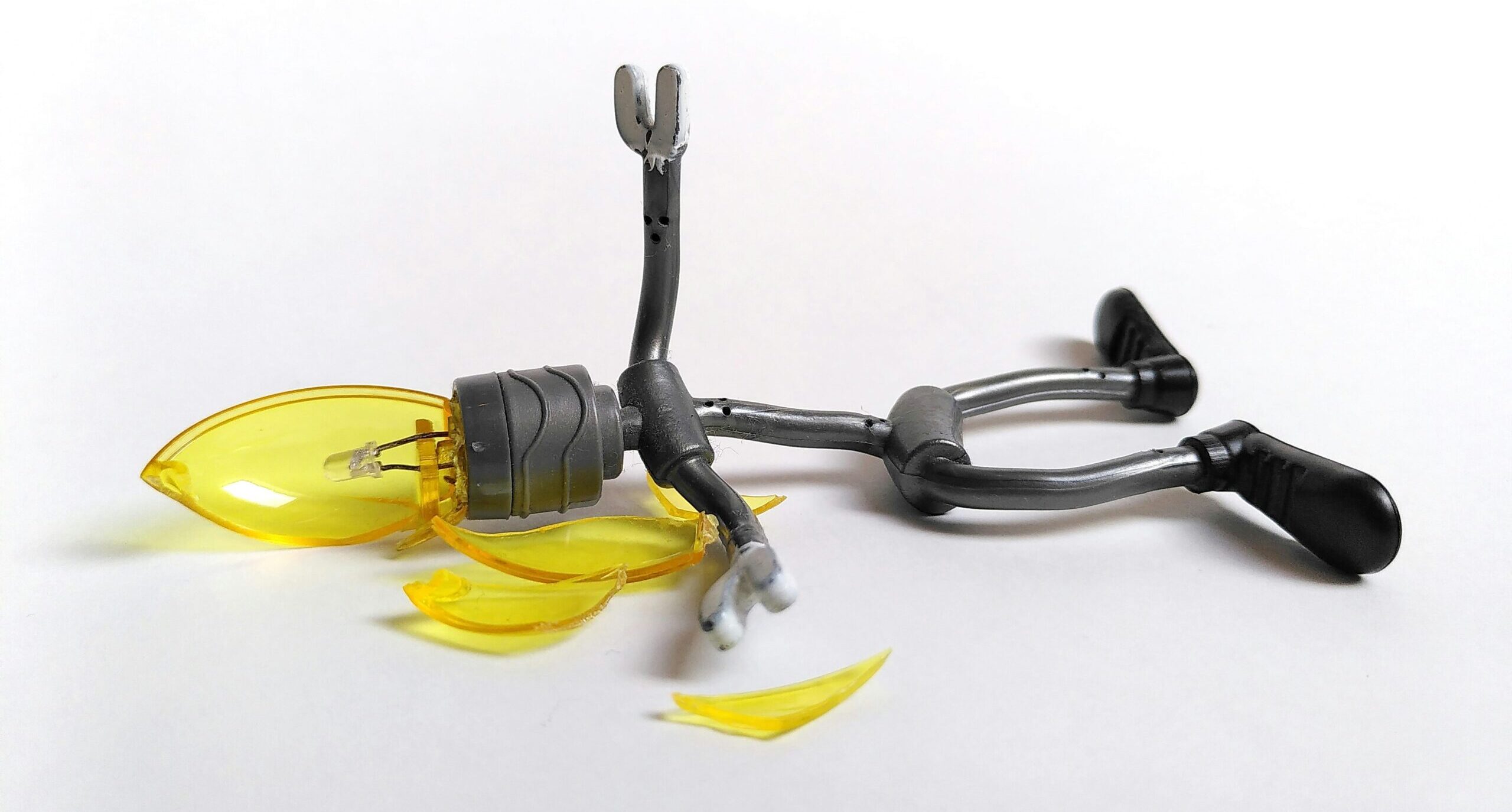
If you are asking what are the five stages of burnout you are likely noticing rising stress, shrinking recovery, and a sense that work is costing more than it gives. Burnout is not an overnight event. It unfolds in stages that you can spot and interrupt. When you know the pattern you can respond sooner, protect your health, and sustain high performance without sacrificing your life outside of work.
In this article we outline the five stages of burnout, the science of what is happening in your body and brain, and simple ways to break the cycle. You will also find practical steps for individuals and leaders, plus tools to measure early signals so you can act before things escalate.
What is Burnout?
Burnout is a work related syndrome that results from chronic job stress that has not been successfully managed. It is marked by emotional exhaustion, cynicism or detachment, and reduced professional efficacy. The
World Health Organisation recognises burnout as an occupational phenomenon and not a personal failure.
What Are The Five Stages Of Burnout?
Different models exist, but the five stage pattern below reflects what we see with Australian professionals across industries.
- Honeymoon: High drive and optimism. You say yes to everything and rely on adrenaline to power through. Healthy routines may slip.
- Onset Of Stress: Sleep gets lighter. You feel rushed, skip breaks, and rely on caffeine or sugar for quick energy. Small irritations feel bigger.
- Chronic Stress: Fatigue lingers. You withdraw, procrastinate, and make more errors. Recovery windows are rare and weekends no longer reset you.
- Burnout: Exhaustion, detachment, and reduced effectiveness. You feel flat or numb, with brain fog and little motivation.
- Habitual Burnout: Symptoms become embedded. Health risks rise, including depression, anxiety, cardiovascular strain, and sleep disorders.
Why it Matters
Chronic stress alters your stress response system. Cortisol and adrenaline stay elevated, which disrupts sleep, blood sugar, immunity, and mood. Decision quality drops and reaction times slow. Over time, sustained load without recovery increases risk of anxiety and depression, high blood pressure, insulin resistance, and musculoskeletal pain. Poor sleep alone impairs working memory and emotional regulation, making hard days even harder.
Learn how sleep loss impacts performance.
For organisations, burnout drives absenteeism, presenteeism, safety incidents, and turnover. Better Being’s Mindset Matters research shows that daily wellbeing behaviours are strong signals for burnout risk and retention intent. Leaders who protect recovery, model boundaries, and support flexible work see better engagement and lower burnout.
Download the Mindset Matters report.
How to Interrupt Each Stage
1. Honeymoon Stage Reset
Action: Set guardrails before things get busy. Decide your non-negotiables for sleep, movement, and downtime.
Why it works: Boundaries protect recovery capacity so enthusiasm does not flip into overload.
Try this: Lock a 30 minute walk or strength block into your calendar three times a week. Treat it like a client meeting. For ideas that fit full schedules, read
3 Tips For Nutrition At Work and
Desk Exercises At Work.
2. Onset of Stress Course Correct
Action: Stabilise energy and sleep within seven days.
Why it works: Even small improvements in sleep continuity and blood sugar control reduce cortisol spikes and mood swings.
Try this: Aim for a consistent sleep window and a wind down routine for 20 minutes. Build each meal around protein, colourful plants, and slow carbs. See
The Impact Of Sleep On Employee Performance.
3. Chronic Stress Circuit Breaker
Action: Reduce load and increase recovery at the same time.
Why it works: You cannot recover your way out of chronic overload without also changing inputs. Dual strategy restores capacity faster.
Try this: Cancel or delegate one non essential project for four weeks. Add two ten minute walking meetings daily. Use a breathing protocol before complex tasks. Practical tools here:
Stress Management Techniques For High Performers and
Leveraging Stress To Your Advantage.
4. Burnout Recovery Plan
Action: Seek support and reset expectations with your manager or clients. Prioritise medical and psychological care if needed.
Why it works: Burnout is a system issue. Shared solutions reduce stigma and enable workload and role clarity changes that stick.
Try this: Book your GP to screen for sleep disorders, iron, thyroid, and mood. Consider a short leave to recover and rebuild habits with coaching. Start with low intensity movement and sunlight exposure early in the day. Explore
Burnout Strategies.
5. Habitual Burnout Rebuild
Action: Redesign work patterns and identity level habits to prevent relapse.
Why it works: New defaults reduce friction and keep recovery automatic when work ramps up again.
Try this: Adopt a four part daily anchor routine. Wake time, movement snack, focused deep work block, wind down ritual. Review quarterly with your leader. See
Achieving Work Life Balance Tips and
Performing Under Pressure.
Measure Early Signals Before Burnout Takes Hold
You cannot improve what you do not measure. Better Being’s Wellbeing Index tracks evidence based lead indicators like sleep quality, energy, focus, recovery habits, and psychological safety. Teams use this data to spot stage two and stage three patterns early and act before people reach burnout.
Explore the Wellbeing Index.
What Can Employers do?
- Assess risk regularly: Use validated surveys and the Wellbeing Index to monitor early signals at team and organisation levels.
- Normalise recovery: Encourage breaks, micro recovery, and walking meetings. Model this at leadership level.
- Right size workload: Align priorities, reduce conflicting deadlines, and cap after hours communication. See Right To Disconnect.
- Build leader capability: Train managers to recognise stages and respond with support not blame. Start with Supporting Leadership Wellbeing and Leadership Burnout.
- Design flexible work well: Protect focus time and team connection to reduce chronic stress. Practical tips in Balancing Hybrid Work.
- Offer skilled coaching: Provide access to evidence informed coaching that targets sleep, stress, and workload management. See outcomes from this case study.
A One Week Reset Plan
- Sleep anchor: Fixed wake time and a 20 minute wind down with screens off.
- Morning light and move: Ten minutes outside within an hour of waking to set your body clock.
- Protein at breakfast: Around a palm of protein plus fibre to stabilise energy.
- Focus block: One 60 to 90 minute deep work block before midday with notifications off.
- Recovery breaks: Two ten minute walking meetings or stretch breaks.
- Think time: Five minutes to plan tomorrow’s top three and close your laptop with intent.
Repeat for seven days and reassess. If you do not feel a shift, you may be in stage three or four and need extra support.
Key Takeaways
- Knowing what are the five stages of burnout helps you act early before health and performance decline.
- Stress becomes harmful when high demand meets low recovery for weeks or months.
- Interrupt the cycle by reducing load and boosting recovery at the same time.
- Leaders play a critical role by modelling boundaries and designing sustainable workloads.
- Measure what matters with the Wellbeing Index to catch stage two and stage three early.
- You can recover with the right plan and support. Small consistent steps beat heroic sprints.
If you are ready to build a burnout prevention plan for yourself or your team,
get in touch with Better Being for tailored support.
READY TO IMPLEMENT A WELLBEING PROGRAM WITH TANGIBLE BENEFITS FOR EVERYONE INVOLVED?