
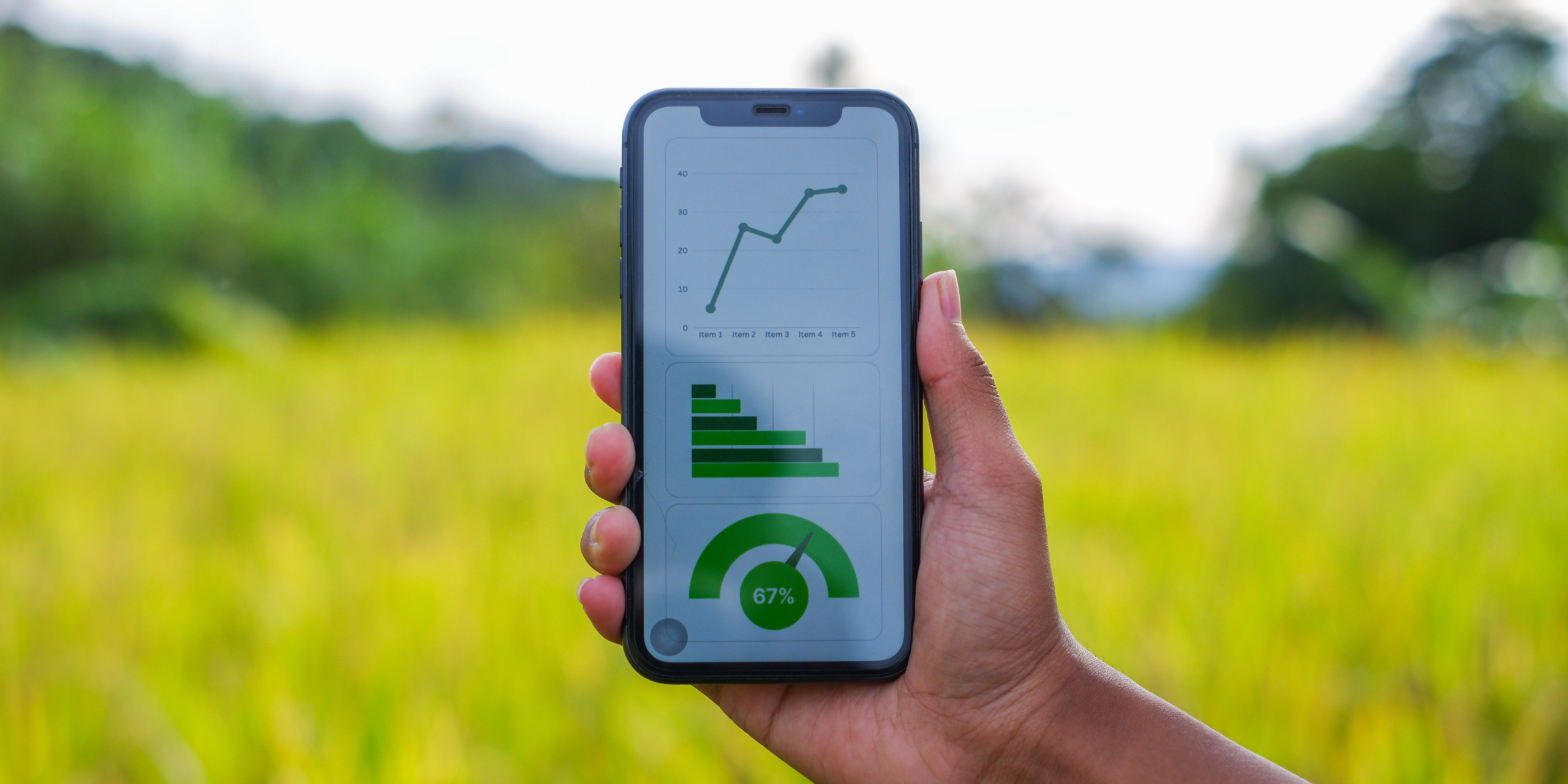
If you are running a workplace initiative and want better visibility on what is working, choosing the right technology matters. The top apps for tracking employee health during wellness campaigns can help you measure participation, spot behaviour trends, and support people in a way that feels practical rather than intrusive.
Many organisations invest in wellness campaigns with good intent, but then struggle to answer simple questions. Are people engaging? Which habits are improving? Where are the barriers? Without useful data, it is hard to build momentum or prove value to leaders.
The good news is that the best apps do more than count steps. They can support sleep, movement, stress, nutrition, education, and behaviour change while giving HR and wellbeing leaders clearer insight into outcomes. In this article, we will break down what to look for, why it matters, and how to choose the right platform for your team.
What is Employee Health Tracking During Wellness Campaigns?
Employee health tracking is the use of digital tools to monitor wellbeing related behaviours and outcomes during a defined workplace campaign. That might include daily movement, sleep, hydration, stress check ins, habit completion, health risk screening, or participation in coaching and education sessions.
Importantly, this should not mean invasive monitoring. Good workplace wellbeing technology focuses on consent, privacy, aggregated reporting, and support. The goal is to help people build healthier routines and help employers understand what kinds of initiatives are actually resonating.
A common mistake is assuming that any fitness app will do the job. In reality, workplace campaigns usually need broader functionality. If your aim is culture change, not just a step challenge, you need tools that support sustainable habits, easy engagement, and meaningful reporting.
Why Top Apps For Tracking Employee Health During Wellness Campaigns Matter
Workplace health affects focus, energy, morale, absenteeism, and long term risk. According to the World Health Organisation, poor mental health and unhealthy work conditions can reduce performance and participation at work. The Safe Work Australia guidance on psychosocial hazards also reinforces the importance of proactive workplace systems that support wellbeing rather than reacting once issues escalate.
Tracking matters because behaviour change is easier when people can see progress. Simple feedback loops improve awareness and consistency. Leaders also need evidence. If you are trying to justify investment, it helps to know whether your campaign improved participation, movement, sleep quality, perceived stress, or team connection.
This is especially important if your organisation is trying to avoid common pitfalls like low uptake or poor measurement. Better Being has written about this in how to measure your employee wellbeing program. The right app can support both engagement and accountability when it is chosen well.
How to Choose The Best App For Your Wellness Campaign
1. Start With Your Campaign Goal
Be clear on what you want the app to support. Is your priority movement, stress reduction, sleep, preventative screening, or overall wellbeing engagement? A step challenge app may be enough for a short movement campaign, but it will fall short if your focus is burnout, resilience, or healthy routines for professionals.
Tip: Write down two success measures before you compare platforms, such as participation rate and self reported energy.
2. Look For More Than Step Counting
The top apps for tracking employee health during wellness campaigns usually offer a mix of features. These may include habit tracking, educational content, nudges, check ins, wearable integration, team challenges, and dashboards for reporting.
This matters because employee wellbeing is multi dimensional. Better results often come from combining movement, sleep, nutrition, stress management, and social connection rather than focusing on one behaviour in isolation.
Tip: Shortlist apps that align with the broader principles discussed in the science of wellbeing and not just competition based activity.
3. Prioritise Privacy And Trust
If people do not trust the tool, engagement will drop. Employees need to know what data is collected, who can see it, and how it will be used. The best platforms make privacy clear and rely on aggregate reporting for employers.
Why this matters is simple. Psychological safety drives participation. If staff think health data could be used against them, they are less likely to engage honestly.
Tip: Ask vendors whether reporting can be anonymised by team, location, or campaign cohort.
4. Make The User Experience Easy
Busy people will not use a clunky platform for long. The app should be simple, mobile friendly, and quick to engage with during a normal workday. Think lunch break check ins, walking prompts, or two minute habit logs rather than complex workflows.
Ease of use is one of the strongest predictors of sustained engagement. Small actions repeated consistently beat a system that feels impressive but rarely gets opened.
Tip: Ask to test the employee view, not just the admin dashboard.
5. Choose Reporting That Supports Decisions
You do not need endless data. You need useful data. Good reporting should show participation trends, challenge completion, changes in wellbeing markers, and areas where extra support may be needed.
If your organisation is focused on return on investment, reporting should also help connect campaign activity to broader wellbeing outcomes. Better Being explores this further in ROI of employee wellbeing programs and understanding lead indicators in employee wellbeing.
Tip: Avoid platforms that only provide vanity metrics such as total clicks or app opens.
6. Match The App To Your Workforce
A desk based team in Sydney may engage differently from a frontline workforce spread across multiple sites. The top apps for tracking employee health during wellness campaigns should suit your people, not just your procurement checklist.
For example, hybrid teams may value flexibility, asynchronous challenges, and wellbeing prompts that fit around varied schedules. If that sounds familiar, see Better Being’s insights on balancing hybrid work and improving wellbeing for remote workers.
Tip: Consider language options, accessibility, phone compatibility, and whether staff can realistically use wearables.
7. Think About Support, Not Just Software
An app is a tool, not a full strategy. The strongest campaigns combine technology with expert guidance, communication, and leadership support. This is often the difference between a short burst of interest and a genuine behaviour shift.
Tip: If possible, pair the platform with workshops, health education, coaching, or a broader program design approach.
Better Being’s Wellbeing Index
The Wellbeing Index is a digital tool that measures employee physical and psychological health across four pillars – Movement, Mindset, Nutrition and Recovery. Employers receive anonymised employee data that allows them to understand which businesses units and/or locations are performing well, those that may be at risk, and track changes over time. Employees receive a personalised Wellbeing Index score, encouraging behaviour change. Learn more about the Wellbeing Index and how it can help you track employee health here.
What Can Employers Do?
- Set a clear purpose: Explain why the campaign is running, what success looks like, and how employee data will be protected.
- Choose inclusive measures: Track more than activity so people who are not runners or gym goers can still participate meaningfully.
- Make access easy: Ensure the app is simple to download, easy to use, and supported by clear instructions and reminders.
- Normalise leadership involvement: Encourage leaders to participate visibly so the campaign feels supported from the top.
- Use data wisely: Focus on trends and opportunities for support, not surveillance or individual scrutiny.
- Connect the campaign to strategy: Align app tracking with broader wellbeing goals such as engagement, resilience, retention, and culture.
- Review outcomes after the campaign: Use insights to refine future initiatives and strengthen the long term wellbeing plan.
For many organisations, the real return comes from combining measurement with human support. Better Being’s articles on boosting employee engagement with wellbeing programs and how to get leadership buy in on your employee wellbeing program highlight why implementation matters just as much as intent.
Key Takeaways
- The top apps for tracking employee health during wellness campaigns should measure meaningful behaviours, not just steps.
- Privacy, trust, and ease of use are essential if you want strong participation across a busy workforce.
- Good reporting helps you improve future campaigns and build a stronger case for wellbeing investment.
- The best platform depends on your goals, workforce needs, and the behaviours you want to support.
- Technology works best when paired with education, leadership support, and a broader wellbeing strategy.
If you want help designing a workplace wellbeing strategy that uses data well and supports real behaviour change, get in touch with Better Being.