
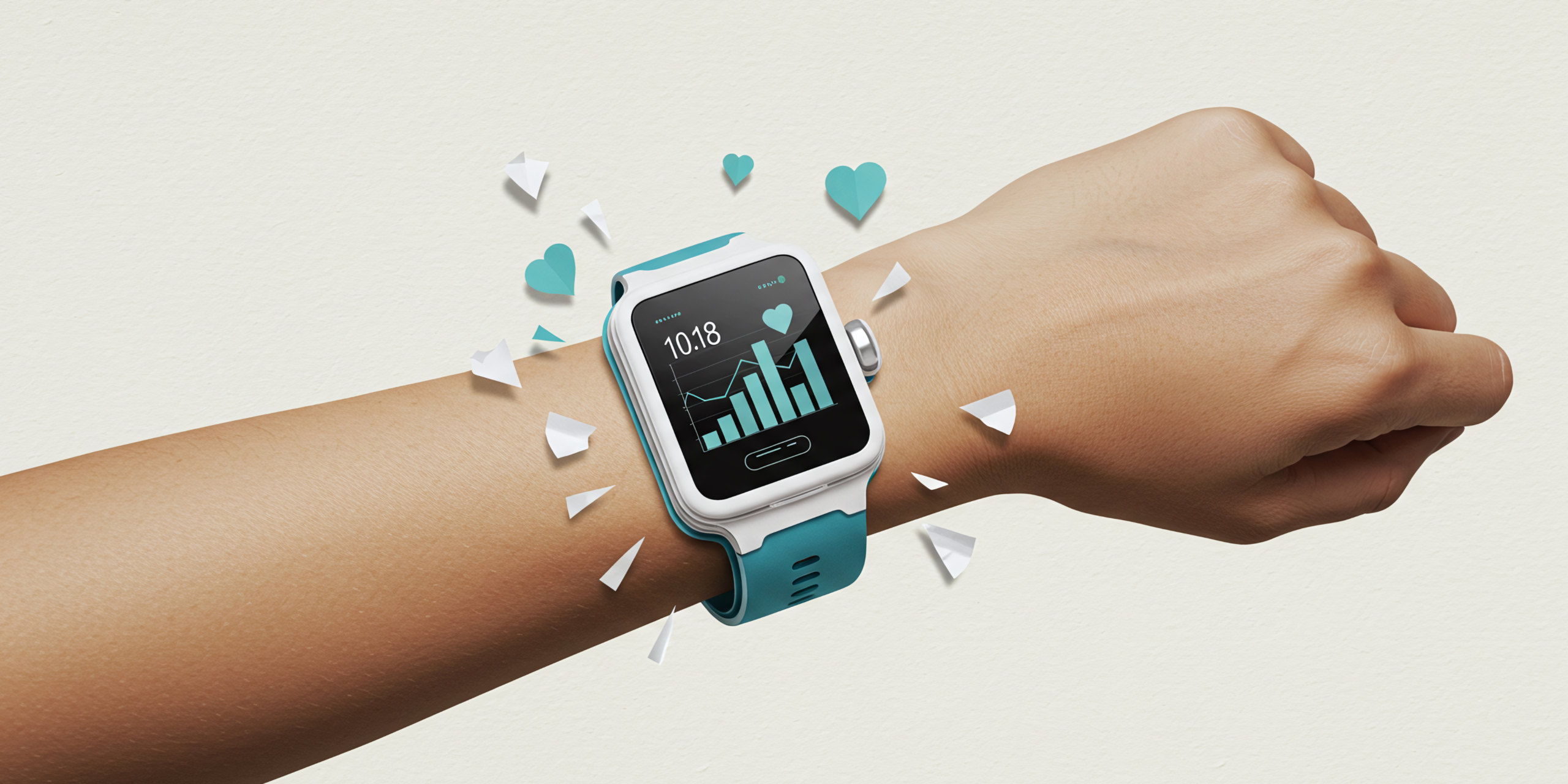
If you juggle long days, back to back meetings and family life, it is easy for stress to creep up and recovery to slip. Wearable devices that monitor stress and recovery promise to make the invisible visible so you can act before burnout hits. Used well, they can sharpen your focus, improve sleep and help you train smarter, not just harder.
In this article we explain how wearable technology that monitors stress and recovery works, what to track, and exactly how to turn the numbers into better daily decisions. You will get a simple action plan you can start this week and ideas for how workplaces can support this at scale.
What is Wearable Technology For Stress And Recovery?
Wearables are devices like watches, rings and sensors that measure signals from your body. The most useful for stress and recovery track resting heart rate, heart rate variability, sleep stages, movement and in some cases skin conductance or temperature. Together these markers help you understand how your nervous system is coping with load and whether you are bouncing back overnight.
Heart rate variability is a key signal. In simple terms it looks at the tiny differences between heart beats. Greater variability generally reflects a more adaptable nervous system and better recovery. Lower variability may indicate higher stress or insufficient recovery. The Australian Sleep Health Foundation explains how sleep quantity and quality influence daytime function and recovery, and why consistent sleep matters for stress resilience. Learn more from the Sleep Health Foundation.
Why it Matters
Chronic stress without sufficient recovery is linked with higher risk of cardiovascular disease, impaired cognition and lower productivity. The World Health Organisation outlines the wide impacts of stress on health and work. At work, sustained overload drives mistakes, poor decisions and absenteeism. For active people, training hard on a stressed system often leads to plateaus, niggles and more fatigue.
Wearables give you early warning. Trends in resting heart rate, heart rate variability and sleep efficiency can show rising load days before you feel flat. That lets you reduce intensity, prioritise sleep, eat to support energy and add short recovery practices. For deeper context on how stress affects the heart, see our article The Impact Of Stress On Heart Health. If recovery is your priority, read How To Speed Up Recovery for practical strategies that pair well with wearable insights.
How to Use Wearables to Manage Stress And Recovery
1. Pick a device you will actually wear
Comfort and battery life beat niche features. Look for reliable resting heart rate, heart rate variability and sleep tracking. If you already have a watch, start there rather than waiting for the perfect option.
2. Set your personal baseline
Wear it day and night for two to three weeks without changing anything. Note average resting heart rate, heart rate variability range, sleep duration and typical activity. Your baseline is your reference point for change.
3. Track the few metrics that matter
- Resting heart rate: Aim for a stable trend. A jump of three to five beats for two days can flag extra load.
- Heart rate variability: Watch your personal pattern. A drop below your usual range suggests more recovery is needed.
- Sleep duration and efficiency: Most adults need seven to nine hours. Consistency of bedtime is as important as total time.
- Daytime movement: Steps or active minutes help buffer stress and improve sleep pressure.
4. Use a simple red amber green system
Green day means your markers are near baseline. Keep planned training or challenging tasks. Amber means adjust. Reduce intensity by twenty to thirty percent and add a short recovery practice. Red means prioritise recovery, sleep and low strain movement like an easy walk or mobility.
5. Pair data with how you feel
Each morning rate sleep quality and energy on a simple one to five scale. The combo of subjective feel and wearable data is stronger than either alone. If they do not match, trust the trend over one odd reading.
6. Breathe to reset your nervous system
Short breath practices can shift stress in minutes and support heart rate variability. Try three minutes of slow nasal breathing with a count of four in, six out before big meetings and again before bed.
7. Move every ninety minutes
Frequent light movement reduces muscle tension, steadies blood sugar and improves focus. Book walking meetings or do a lap of the office each time you finish a task. For ideas, see Desk Exercises At Work.
8. Protect your sleep window
Keep a consistent eight hour sleep opportunity. Dim lights after dinner, avoid large meals and switch screens to night mode. Your wearable will show better sleep efficiency within a week. Our guide on The Impact Of Sleep On Employee Performance explains why sleep is your greatest performance enhancer.
9. Fuel for steadier energy
Base meals on protein, fibre and colour. Space caffeine earlier in the day and limit alcohol on work nights. Your sleep and heart rate variability data will quickly reflect these choices. For more on performance nutrition read The Truth About Post Workout Nutrition.
10. Train with intent and recover on purpose
On green days, lift heavy or do intervals. On amber days, choose moderate steady work. On red days, go easy and finish with mobility. This stops you from going hard on a tired system and makes good sessions count.
11. Set smart alerts and boundaries
Turn on inactivity nudges and bedtime reminders. Switch off non essential notifications after hours. Boundaries reduce mental load and help your nervous system switch to recovery mode.
12. Review your week and adjust
On Sunday glance at your trends. If sleep dipped and resting heart rate rose midweek, plan a lighter Wednesday, add a walking meeting and bring dinner earlier. Small planned tweaks beat big reactive changes.
13. Mind your privacy
Check what your device shares by default and who can see it. Keep health data private unless you choose to share it with a coach or clinician. The OAIC explains your rights under the Australian Privacy Act.
Common Questions
Are the numbers accurate enough to act on?
Consumer devices are best for trends, not medical diagnosis. Day to day noise is normal. Look for two to three day patterns against your baseline before making changes.
Which metric should I prioritise first?
Sleep duration and consistency, then resting heart rate and heart rate variability trends. Improve sleep and the rest usually follows.
Can wearables reduce burnout risk?
They can highlight early strain and prompt timely recovery. Pair them with healthy routines, workload boundaries and support. For practical strategies, see Burnout Strategies and Stress Management Techniques For High Performers.
For Workplaces
- Normalise data informed recovery: Encourage staff to use wearables to spot rising load and adjust training or workloads early.
- Make access easy: Offer education sessions on reading resting heart rate, heart rate variability and sleep trends, and how to respond.
- Protect sleep: Avoid late evening meetings and set expectations for response times to reduce after hours pressure.
- Build movement breaks into culture: Schedule walking meetings and quiet focus blocks to reduce cognitive strain.
- Measure what matters: Use Better Being’s Wellbeing Index to capture early signals of fatigue and burnout across teams, then target support. Explore the Wellbeing Index.
- Partner with experts: Better Being can integrate wearable insights with coaching and group programs to lift energy, resilience and performance. See our approach in How Exercise Enhances Employee Performance and Mental Fitness In Corporate Wellbeing.
- Respect privacy: Use opt in, de identified data only and communicate clearly how information will be used.
Key Takeaways
- Wearable devices that monitor stress and recovery help you act early by tracking resting heart rate, heart rate variability, sleep and movement.
- Trends relative to your personal baseline are more useful than single readings.
- Use a simple red amber green plan to adjust training, workload and recovery practices day to day.
- Sleep consistency is the biggest lever for better heart rate variability, energy and focus.
- For workplaces, pairing education, supportive norms and privacy safe measurement drives better performance and culture.
If you want tailored support to translate your data into better daily decisions, get in touch with Better Being.


