
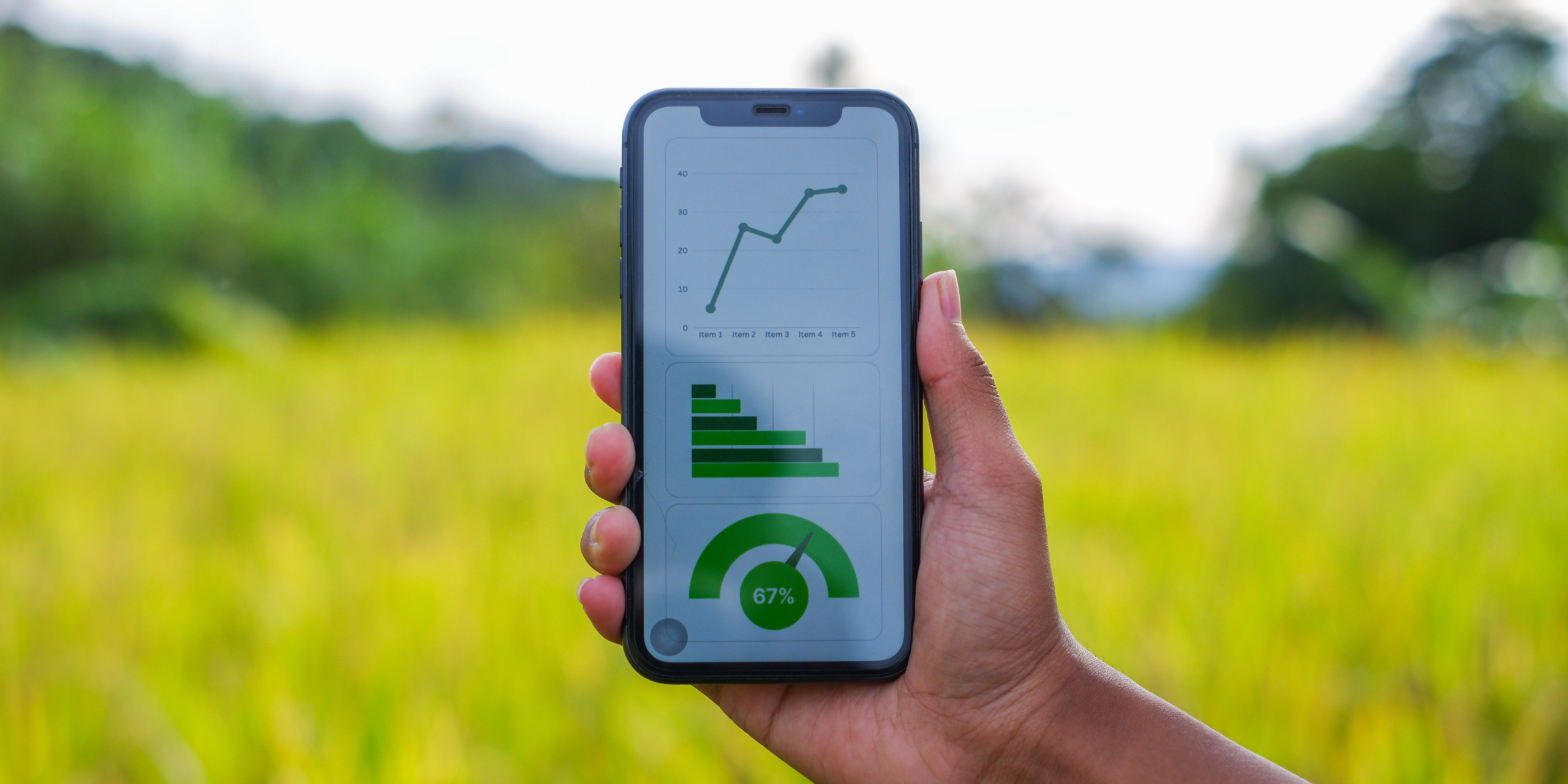
If you are planning activities for Wellbeing Week, you might be asking; what wearable devices help monitor wellbeing during wellbeing week? With so many watches, rings, bands, and apps on the market, it can be hard to tell what is genuinely useful and what is just noise.
The right wearable can help you and your team build awareness around sleep, movement, stress, recovery, and daily habits. That matters because wellbeing is easier to improve when people can see patterns clearly. A device will not solve burnout or poor workplace culture on its own, but it can support better decisions and stronger conversations.
For busy professionals and workplace wellbeing leaders, the goal is not perfect tracking. It is practical insight. In this article, we will break down what wearable devices help monitor wellbeing during wellbeing week, what they can and cannot do, and how to use them in a way that is realistic, evidence based, and actually helpful.
What wearable devices help monitor wellbeing during wellbeing week?
Wearable devices are tools you wear on your body that collect health and behaviour data throughout the day. During Wellbeing Week, they are often used to track steps, heart rate, sleep, exercise, recovery, and sometimes stress patterns.
The most common options include smartwatches, fitness bands, smart rings, heart rate straps, and continuous glucose monitors. For most people and workplaces, the most useful wearables are smartwatches, fitness bands, and rings because they are easy to wear and provide broad wellbeing data in one place.
Why It Matters
Wearables can support behaviour change because they make normally invisible habits more visible. Seeing your sleep duration, step count, resting heart rate, or activity levels can prompt reflection and action. This matters because the foundations of wellbeing, including movement, sleep, and stress regulation, are strongly linked to mental performance, recovery, and long term health.
For example, the World Health Organisation recommends regular physical activity because it supports physical and mental health, lowers disease risk, and improves wellbeing. Sleep matters just as much. According to the Centers for Disease Control and Prevention, insufficient sleep affects mood, focus, and overall health. Wearables can help people spot when they are moving less, sleeping poorly, or pushing too hard.
That said, consumer wearables are not medical diagnostic tools. The National Heart, Lung, and Blood Institute highlights the importance of healthy sleep, but a wearable should be seen as a guide rather than a diagnosis. Trends over time are usually more useful than a single score on one day.
In a workplace setting, this can be especially powerful during Wellbeing Week. Wearables can create awareness, spark healthy routines for professionals, and support activities focused on movement, recovery, and stress management. When used well, they can reinforce broader wellbeing education, not replace it. If this is a focus for your organisation, Better Being has also shared insights on the impact of sleep on employee performance, exercise and employee performance, and stress management techniques for high performers.
How To Choose Wearables That Track Wellbeing During Wellbeing Week
1. Start with the wellbeing goal
Choose the device based on what you actually want to monitor. If your Wellbeing Week theme is movement, a basic fitness tracker may be enough. If the focus is sleep and recovery, a smartwatch or ring with sleep tracking may be more useful.
This matters because clear goals keep the experience simple and relevant. For example, if your team is running a step challenge, there is no need to complicate things with advanced readiness scores.
2. Use smartwatches for all round tracking
Smartwatches are often the best all round option because they combine movement, heart rate, sleep, and workout tracking. Many also include reminders to stand, breathe, or move during the workday.
They are practical for people who want one device that supports general wellbeing. A good example is using a watch to prompt a walking meeting, a lunchtime stretch, or a wind down routine before bed.
3. Consider fitness bands for simple workplace challenges
Fitness bands are usually more affordable and easier to roll out for group activities. They tend to focus on steps, active minutes, heart rate, and sleep, which is enough for many Wellbeing Week campaigns.
If your workplace wants broad participation without overwhelming staff, this can be a smart choice. Simplicity often improves engagement.
4. Choose smart rings for comfort and sleep focused insights
Smart rings appeal to people who do not want to wear a watch all day or overnight. They are often popular for tracking sleep, resting heart rate, and recovery trends.
This can be especially useful for professionals who want better recovery awareness without constant screen interaction. If sleep is a pain point in your team, this category may be worth considering.
5. Be cautious with stress scores
Many devices now estimate stress using heart rate variability, resting heart rate, and other signals. These features can be helpful, but they are not perfect and should be interpreted with context.
A high stress score could reflect poor sleep, alcohol, a tough workout, illness, travel, or an emotionally demanding day. The value is in noticing patterns, not panicking about one reading.
6. Focus on behaviour change, not just measurement
The best answer to what wearable devices help monitor wellbeing during wellbeing week is the device that leads to action. A wearable only becomes valuable when it helps someone walk more, sleep earlier, recover better, or notice signs of overload.
For example, if someone sees that their step count drops on work from home days, they can plan a short walk before logging on or after lunch. If their sleep data consistently shows late bedtimes, they can set a regular wind down cue.
7. Protect privacy and choice
In workplaces, participation should be voluntary and respectful. People should never feel pressured to share personal health data. Wellbeing Week should build trust, not surveillance.
A better approach is to encourage private self reflection and optional team challenges based on broad metrics like steps, minutes moved, or screen free breaks.
What Can Employers Do?
- Set a clear purpose: Decide whether your Wellbeing Week is focused on movement, sleep, stress, recovery, or awareness so the wearable activity feels meaningful.
- Keep participation voluntary: Let staff opt in without pressure and avoid collecting personal health data from individuals.
- Make it inclusive: Offer non wearable alternatives such as walking logs, mindfulness minutes, or paper based habit trackers.
- Use education alongside tracking: Pair wearable challenges with practical sessions on sleep, stress, nutrition, and recovery to help people understand what the data means.
- Reward consistency, not intensity: Celebrate small daily actions like lunchtime walks or regular bedtimes rather than extreme goals.
- Measure engagement sensibly: Track participation, feedback, and behaviour change themes rather than only focusing on competition results.
- Connect it to culture: A wearable challenge works best when supported by leadership, realistic workloads, and psychologically safe conversations about wellbeing.
- Partner with experts: Better Being can help you design workplace wellbeing experiences that are practical, evidence informed, and aligned with business outcomes.
Key Takeaways
- What wearable devices help monitor wellbeing during wellbeing week depends on your goal, but smartwatches, fitness bands, and smart rings are the most practical options for most people.
- Wearables can help track movement, sleep, heart rate, and recovery, which makes habits more visible and easier to improve.
- They work best when used as behaviour change tools, not as a source of pressure or perfectionism.
- For workplaces, simple and voluntary challenges usually drive stronger participation than complicated tracking systems.
- Privacy matters. Staff should always have choice, and personal data should not be used in ways that reduce trust.
- Wellbeing Week has more impact when wearable activities are supported by education, leadership, and a broader wellbeing strategy.
If you want to create a more effective and engaging Wellbeing Week, get in touch with Better Being for tailored support.


