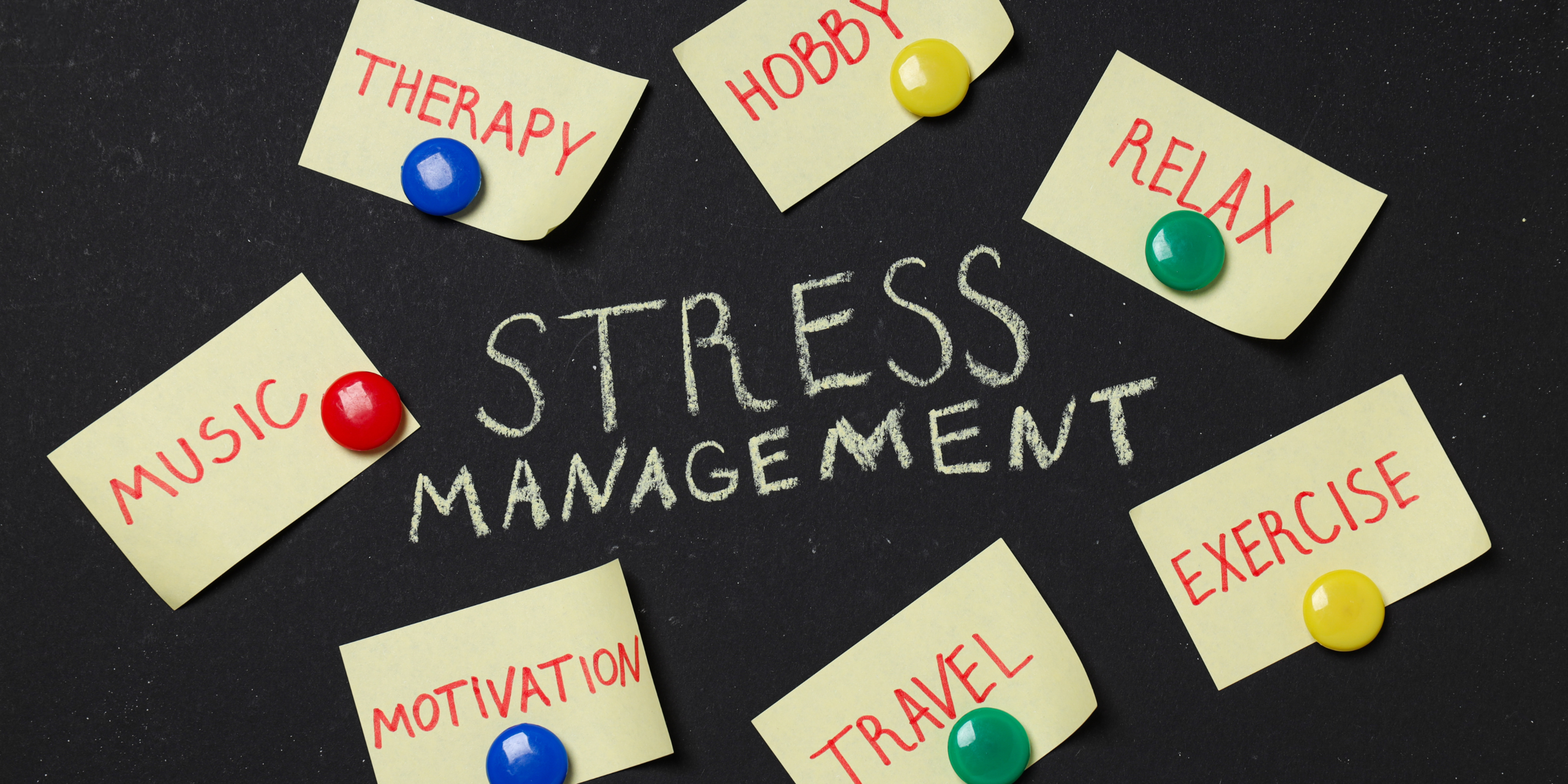
Burnout drains energy, engagement, and performance. If you are searching for where to purchase stress management tools for employees experiencing burnout, you are already taking a positive step. The right tools can reduce pressure, build resilience, and support recovery. The challenge is knowing what to buy, which options actually help, and how to make them easy to use at work.
In this guide, we outline where to purchase stress management tools for employees, how to select evidence based options, and the best way to embed them in your culture so they deliver real outcomes.
What is Burnout And Why Tools Alone Are Not Enough?
Burnout is a work related state of exhaustion that involves energy depletion, mental distance, and reduced effectiveness. The World Health Organisation recognises burnout as an
occupational phenomenon that results from chronic workplace stress that has not been managed.
Stress management tools can help people regulate their nervous system, improve sleep, and build coping capacity. But tools work best alongside good job design, psychological safety, and leadership behaviours that protect time, clarity, and recovery. For context on culture and leadership drivers, see
Building Psychological Safety Through Leadership and
Leadership Burnout.
Why it Matters
Chronic stress elevates cortisol and sympathetic drive, disrupting sleep, immune function, and executive performance. Over time, this raises risk for mental health claims and absenteeism. Australian data shows mental health related claims are rising and expected to continue without proactive action. See our overview
Workplace Mental Health Claims Set To Double By 2030.
Safe Work Australia highlights psychosocial hazards like high job demands, poor support, and low role clarity as key drivers.
Addressing hazards plus providing practical tools produces better outcomes.
Better Being’s Mindset Matters report highlights that small daily wellbeing behaviours are strong signals of mental health risk and intent to leave. Measuring these patterns and responding early can prevent escalation.
Download Mindset Matters.
Where to Purchase Stress Management Tools For Employees
Below is a practical marketplace map, with examples of what to look for and how to buy. Choose options that are easy to access, simple to use, and measurable.
1. Enterprise Wellbeing Platforms And Apps
What they offer: Guided breathing, mindfulness, sleep programs, micro learning, and analytics. Look for clinical oversight, Australian data hosting or robust privacy, SSO, and evidence of outcome improvement.
Where to buy: Direct from vendors via enterprise plans or through procurement marketplaces. Ask for a pilot, usage benchmarks, and outcome reporting by cohort.
Tip: Choose habit building features with short daily practices and nudges. For tips on technique selection, see
Stress Management Techniques For High Performers.
2. Coaching And Behaviour Change Programs
What they offer: Personalised coaching to build routines in sleep, movement, nutrition, and recovery. Strong evidence supports coaching for sustained change and reduced burnout risk.
Where to buy: Engage specialist providers with qualified coaches and a clear methodology. Seek programs that integrate with your calendar and communications stack.
Tip: Combine one to one sessions with small group coaching to normalise healthy routines. Explore Better Being’s
Wellbeing Programs for tailored options.
3. Workshops And Training For Teams And Leaders
What they offer: Practical education on stress physiology, workload management, and recovery. Leader specific sessions can shift behaviours that drive culture.
Where to buy: Book evidence based providers with engaging facilitators and measurable outcomes. Request pre post surveys and leader toolkits.
Tip: Pair training with follow up nudges and office hours. See
Leveraging Stress To Your Advantage and
Performing Under Pressure for relevant learning themes.
4. Evidence Based Employee Assistance Programs
What they offer: Confidential counselling, critical incident support, and manager advice. EAP is most effective when promoted early and often and when stigma is reduced.
Where to buy: Select providers with transparent utilisation data and pathways to ongoing care. Ensure clear service level agreements and easy booking.
Tip: Train leaders to make warm referrals and normalise regular check ins.
5. Recovery And Regulation Tools
What they offer: Simple physical tools that support down regulation and movement snacking, such as acoustic breathing timers, mats for stretch breaks, light boxes for circadian support, or noise reduction devices for focus.
Where to buy: Reputable workplace suppliers or specialist retailers. Prioritise safety, durability, and clear instructions.
Tip: Create recovery zones with quiet spaces and short guided routines. For movement micro breaks, try these
Desk Exercises At Work.
6. Digital Cognitive Skills And Focus Tools
What they offer: Attention training, time boxing, and digital boundaries that reduce overload. Look for tools that enable do not disturb windows and meeting hygiene nudges.
Where to buy: SaaS marketplaces or direct vendor contracts with admin controls.
Tip: Align with your right to disconnect policy. See
Right To Disconnect And Corporate Wellbeing.
7. Measurement Tools To Detect Burnout Early
What they offer: Survey tools and leading indicator dashboards that track energy, sleep, workload, and recovery. Early signals allow targeted support and efficient spend.
Where to buy: Use Better Being’s
Wellbeing Index to measure early signals of burnout, segment by team, and track improvement over time with clear actions for leaders.
How to Choose Tools That Actually Work
1. Start With Needs Not Products
Use a short pulse survey and listening sessions to clarify pain points such as after hours email, meeting overload, or poor sleep. The Wellbeing Index provides a fast baseline and highlights priority teams.
2. Check The Evidence And Safety
Favour tools with published studies, clinical advisory panels, or validated measures. The
Black Dog Institute digital tool library is a useful reference for quality signals.
3. Prioritise Ease Of Access
Look for single sign on, mobile and desktop access, and fewer clicks. Adoption and daily use predict outcomes more than feature lists.
4. Build Routine Not One Off Events
Combine education with practice and prompts. For example, a monthly workshop paired with a five minute daily breath routine and a weekly team check in. See
Burnout Strategies for routine ideas.
5. Protect Privacy And Psychological Safety
Choose anonymous aggregate reporting and clear data policies. Communicate confidentiality and opt in choices to build trust.
6. Measure What Matters
Track adoption, engagement streaks, changes in stress, sleep quality, recovery breaks, and manager behaviours. Tie results to outcomes such as absenteeism or turnover. The Wellbeing Index links habits to burnout risk and retention intent.
What Can Employers Do?
- Map hazards and needs: Use listening sessions and the Wellbeing Index to identify pressure points and priority teams.
- Pick a simple tool stack: Choose one measurement tool, one skill building app, one coaching option, and one leader training stream.
- Make access easy: Offer SSO, mobile options, and clear how to guides in onboarding and weekly comms.
- Embed recovery rhythms: Set meeting free windows, encourage five minute breath breaks, and run short walking meetings.
- Equip leaders: Provide conversation guides and office hours for early support. Link managers to training on psychological safety.
- Monitor and iterate: Review monthly usage and quarterly outcomes. Expand what works and retire what does not.
- Show the ROI: Track reductions in stress risk, improved engagement, and fewer mental health claims. See our ROI Of Employee Wellbeing Programs.
Key Takeaways
- Knowing where to purchase stress management tools for employees is only half the job. Start with needs and culture, then choose simple solutions that fit daily work.
- Combine measurement, skills training, and coaching for the strongest impact on stress and burnout risk.
- Ease of access and leadership behaviours drive adoption and outcomes more than features.
- Protect privacy and track leading indicators like sleep, recovery breaks, and workload clarity.
- Better Being’s Wellbeing Index detects early burnout signals and guides targeted investment.
If you want expert help to select and implement tools that reduce burnout and lift performance,
get in touch with Better Being.
READY TO IMPLEMENT A WELLBEING PROGRAM WITH TANGIBLE BENEFITS FOR EVERYONE INVOLVED?