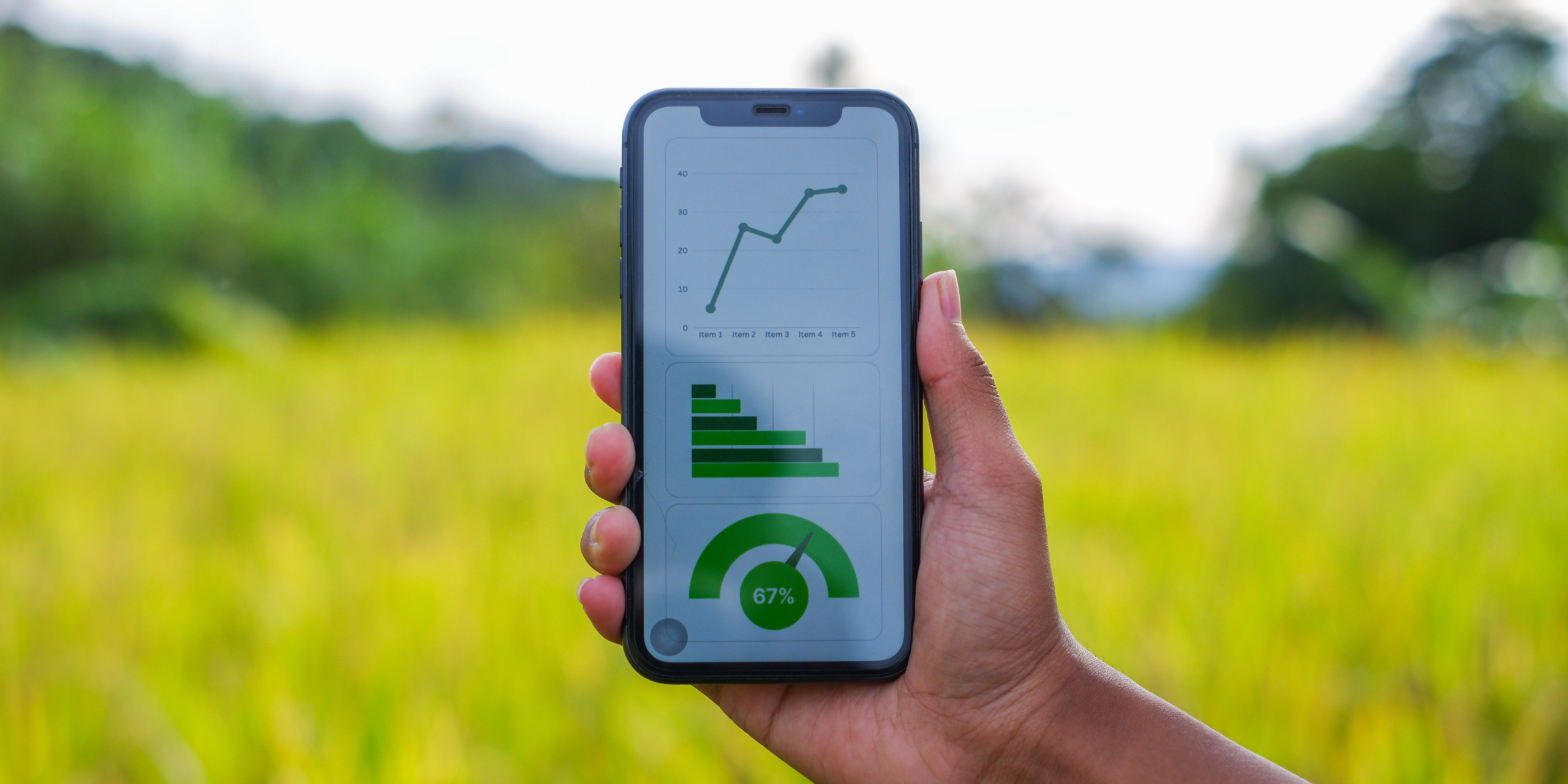
Workplace wellbeing platforms with customised health programs are becoming a smarter way for organisations to support their people. For many Australian workplaces, the challenge is not a lack of wellbeing intent. It is that support is scattered, generic, and hard for employees to use when they actually need it.
If your team is already juggling deadlines, meetings, hybrid work, and rising stress, another one size fits all wellbeing initiative is unlikely to land well. People want support that feels relevant to their role, health goals, work patterns, and stage of life. Leaders and HR teams also need a solution that is practical to manage and easier to measure.
That is where workplace wellbeing platforms with customised health programs can make a real difference. When the right content, services, and pathways are brought together in one place, engagement becomes easier and healthier habits become more realistic to maintain.
In this article, we will break down what these platforms are, why they matter, and how to choose an approach that supports both employee wellbeing and business performance.
What Are Workplace Wellbeing Platforms With Customised Health Programs?
A workplace wellbeing platform is a central place where employees can access health and wellbeing support. This might include webinars, articles, challenges, coaching, mental health resources, organisational updates, and links to support services.
The important part is the customised health program element. Instead of pushing the same message to everyone, a stronger platform gives people support that reflects their needs. That could mean content for sleep, stress, nutrition, movement, burnout prevention, psychological safety, leadership wellbeing, or recovery during busy periods like EOFY.
Customisation can happen at different levels. It may be tailored by team, role, risk profile, location, wellbeing goals, or business priorities. For example, a frontline workforce may need practical fatigue and recovery support, while office based teams may benefit from movement prompts, stress management tools, and strategies for better focus during long desk days.
This approach also helps solve a common problem in workplace wellbeing: too much information in too many places. If resources are buried in emails, intranets, PDFs, and separate systems, even high quality support can go unused.
Why It Matters
Workplace wellbeing is strongly linked to performance, absenteeism, psychological health, and culture. According to the
World Health Organisation, mental health conditions such as anxiety and depression can significantly affect productivity and participation at work. The
Safe Work Australia data also shows the growing impact of work related psychological injury, which reinforces the need for practical and preventative support.
But access matters just as much as intent. If employees cannot easily find support, they are less likely to use it. Behavioural science tells us that convenience, relevance, and timing all shape whether healthy actions actually happen. The simpler you make the healthy choice, the more likely people are to engage consistently.
This is one reason centralised platforms are gaining traction. They reduce friction. They also create a clearer employee experience, which matters in hybrid and dispersed workplaces where people may feel disconnected from available support. If you want to improve engagement, it helps to design wellbeing in a way that feels visible, easy, and worth returning to. Better Being explores this further in
Boosting Employee Engagement With Wellbeing Programs.
Customisation matters because health risks and motivators are not the same for everyone. A stressed leader, a new parent, a shift worker, and a graduate employee are unlikely to benefit from exactly the same intervention. Personal relevance improves uptake, while broad generic messaging often gets ignored.
There is also a stronger business case for platforms that combine access with strategy. When wellbeing support aligns with business goals such as reducing burnout risk, improving energy, or supporting retention, employers are in a far better position to justify investment. If ROI is part of your conversation, see
ROI Of An Employee Wellbeing Program and
How To Measure Your Employee Wellbeing Program.
How To Choose A Workplace Wellbeing Platform That Actually Works
1. Start With Your People Not The Software
Begin by understanding what your employees actually need. Look at common pressure points such as stress, fatigue, low movement, poor sleep, loneliness, or leadership overload.
The reason this matters is simple: if the platform is built around features instead of real human needs, engagement usually drops off quickly. Start with surveys, focus groups, claims data, absenteeism trends, or feedback from managers.
A practical tip is to identify three to five priority themes for the next 12 months rather than trying to cover everything at once.
2. Prioritise Easy Access
Your platform should be simple to access and easy to navigate. If employees need multiple logins, cannot find the right resources, or are unsure where to start, usage will suffer.
Convenience supports behaviour change because it removes friction. This is especially important in busy workplaces where people may only have a few minutes between tasks or during a lunch break.
A useful benchmark is whether an employee can find relevant support in under a minute. If not, simplify the journey.
For organisations looking for one trusted place for workplace wellbeing, the
Better Being Hub is designed to make expert resources, live webinars, updates, and support pathways easier for employees to access and easier for employers to manage.
3. Make Personalisation Meaningful
Personalisation should go beyond using someone’s name in an email. Strong workplace wellbeing platforms with customised health programs offer relevant pathways based on employee needs, job demands, and current challenges.
This improves engagement because people are far more likely to act on support that feels timely and useful. A finance team facing EOFY pressure may need recovery and stress tools, while remote workers may need boundaries, connection, and movement support.
One easy way to do this is to create themed content journeys such as focus and energy, mental fitness, healthy leadership, or sustainable exercise habits.
4. Blend Digital Support With Human Expertise
Platforms are most effective when they do not rely on content alone. Digital resources are useful, but many people also benefit from live workshops, coaching, Q and A sessions, or practical guidance from experts.
This matters because behaviour change is rarely driven by information alone. People need context, encouragement, and support to turn good intentions into action. Better Being discusses this broader approach in
5 Benefits Of Employee Wellbeing Coaching.
A good question to ask is whether the platform helps people know what to do next, not just what they should know.
5. Measure What Matters
Do not judge success on clicks alone. Engagement data is useful, but it should connect to broader outcomes such as participation, employee feedback, help seeking behaviour, retention, absenteeism, and perceived culture change.
Measurement matters because it helps you refine what is working and make a stronger case for future investment. It also keeps wellbeing tied to business outcomes rather than treating it as a nice extra.
A practical tip is to track both lead indicators and lag indicators. If this is new territory, Better Being covers it in
Understanding Lead Indicators In Employee Wellbeing.
What Can Employers Do
- Audit the current experience: Map where wellbeing information currently sits and identify where employees get stuck, disengage, or miss support altogether.
- Focus on relevance: Choose workplace wellbeing platforms with customised health programs that reflect your workforce, not just generic wellbeing trends.
- Support leaders well: Equip managers to model healthy behaviours and direct staff to the right resources. Leadership behaviour strongly shapes whether wellbeing feels real.
- Promote consistently: Use team meetings, onboarding, internal campaigns, and calendar moments to keep the platform visible throughout the year.
- Protect privacy: Make it clear what data is and is not being tracked so employees feel safe engaging with the platform.
- Measure ROI thoughtfully: Combine usage data with outcomes like engagement, reduced absenteeism, stronger culture, and improved employee sentiment.
- Partner with experts: Work with providers who understand both behaviour change and workplace realities, not just content delivery.
For many organisations, the best results come from combining a clear digital hub with expert led programs that can be tailored over time. That makes wellbeing easier to access, easier to communicate, and easier to sustain.
Key Takeaways
- Workplace wellbeing platforms with customised health programs help reduce friction by bringing support into one accessible place.
- Personalised wellbeing support is more likely to engage employees because it feels relevant to their role, pressures, and goals.
- The best platforms combine simple access, useful content, and human support rather than relying on information alone.
- For employers, stronger wellbeing access can support engagement, culture, prevention, and a clearer return on investment.
- A platform works best when it is built around employee needs and linked to measurable organisational priorities.
If you want to create a more effective and accessible wellbeing experience for your people,
get in touch with Better Being.
READY TO IMPLEMENT A WELLBEING PROGRAM WITH TANGIBLE BENEFITS FOR EVERYONE INVOLVED?