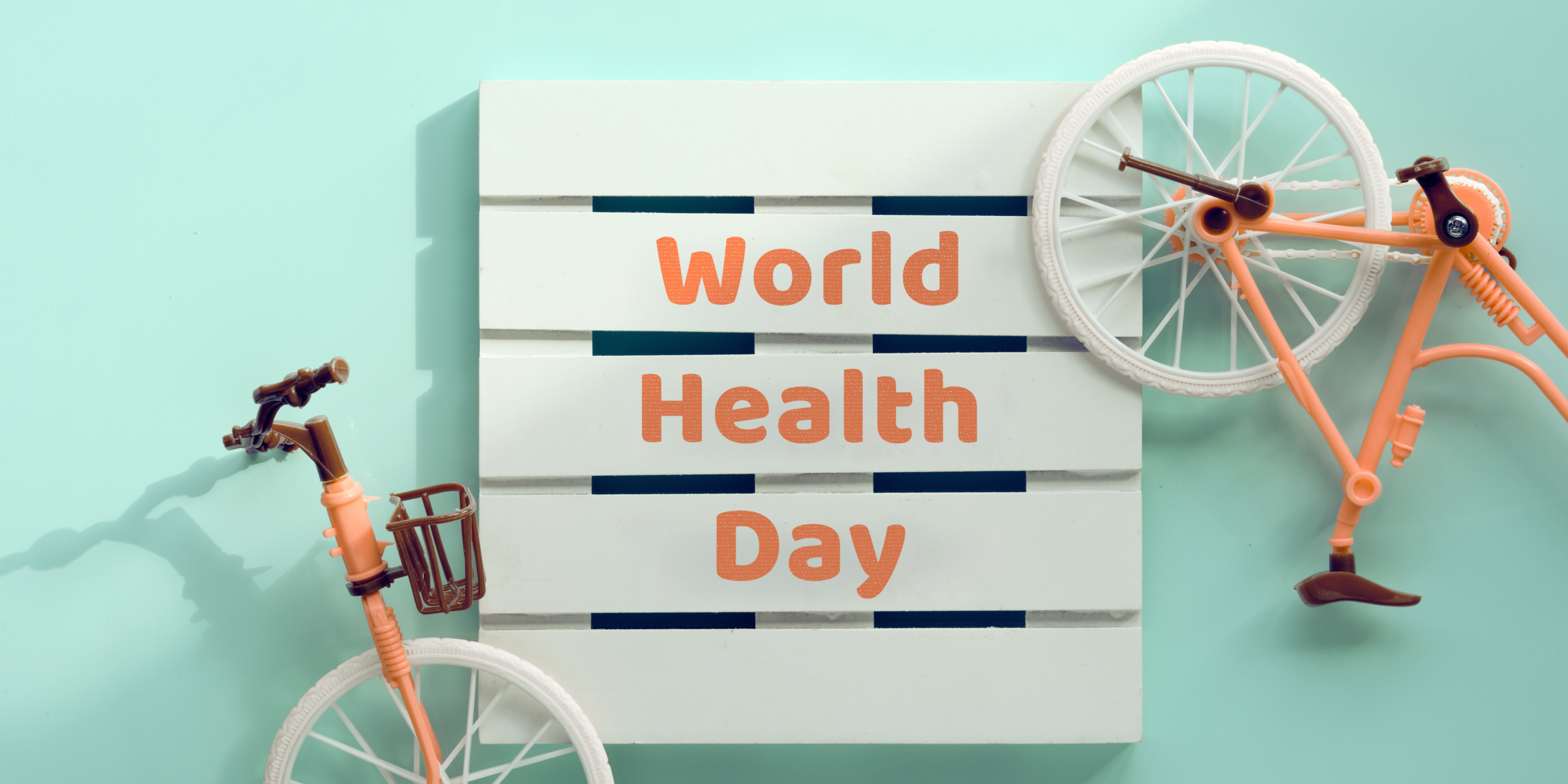
World Health Day activities are a powerful way to bring people together around a shared goal of better health. Whether you are leading a workplace team, coordinating a school, or activating a local group, the right activities can build momentum, spark behaviour change and leave a lasting impact.
If you are juggling deadlines or a busy calendar, you might wonder how to make this more than a one off event. The key is to keep it simple, make it inclusive and link it to daily habits. Done well, World Health Day can boost energy, connection and performance long after the day itself.
In this guide, we share evidence informed World Health Day activities, practical templates and tips for workplaces, schools and communities, plus ways to measure success and keep the momentum going.
What is World Health Day?
World Health Day is an annual event led by the World Health Organisation that spotlights a global health theme and encourages collective action across countries, communities and institutions. It is an ideal catalyst to start or refresh healthy routines for professionals, students and families. You can learn more about the initiative on the World Health Organisation website.
Why it Matters
Small coordinated actions can shift health behaviours at scale. Regular physical activity lowers the risk of chronic disease and improves cognitive function and mood. National guidelines recommend adults accumulate at least 150 minutes of moderate activity each week along with muscle strengthening on two days. See the Australian physical activity guidelines for detail.
Healthy eating patterns support blood sugar stability, focus and immunity across the day. Sleep and stress management underpin decision making, productivity and recovery. At a population level, chronic conditions account for a significant share of disease burden in Australia, which is why prevention and early action matter.
At work, health actions link directly to performance. Movement improves attention and creativity, sleep quality predicts workplace effectiveness, and social connection reduces burnout risk. For deeper insights, explore how exercise lifts employee performance in our article Exercise And Employee Performance, and how sleep shapes focus in The Impact Of Sleep On Employee Performance.
How to Plan World Health Day Activities That Stick
Choose A Theme With Clear Intention
Pick one focus that meets your people where they are, such as Move More, Eat For Energy, Sleep Well or Connect For Mental Health. A single theme keeps planning tight and messages consistent.
Example ideas
Workplaces: Move More with walking meetings and a step challenge
Schools: Eat For Energy with a lunch box swap and classroom tasting
Communities: Connect For Mental Health with a neighbourhood walk and cuppa
Design Inclusive Movement Moments
Offer options for all abilities. Short bouts of movement support blood flow to the brain and lift mood. Even ten minutes counts.
Workplaces: Desk stretch sessions, stairs challenge, 15 minute mobility class. See simple options in Desk Exercises At Work.
Schools: Morning warm up on the oval, teacher student relay, dance break playlist
Communities: Family friendly parkrun meetup, pram walk, gentle tai chi in the park
Make Food Practical And Fun
Focus on easy swaps that improve energy stability. Provide plain language tips and quick demos.
Workplaces: Healthy snack bar with fruit and nuts, lunch and learn on balanced plates, hydration station. For realistic nutrition wins, read 3 Tips For Nutrition At Work.
Schools: Build a rainbow wrap station, water bottle artwork, label reading game
Communities: Community cook up, slow cooker recipe swap, local market tour
Protect Mental Fitness
Short recovery practices reduce stress reactivity and improve focus. Aim for simple, repeatable tools.
Workplaces: Guided two minute breath breaks before meetings, gratitude wall.
Schools: Quiet corner with mindful colouring, peer kindness challenge
Communities: Nature walk with device free time, community yoga class
Run Bite Size Learning
Short talks or Q and A build knowledge and motivate action. Keep sessions under 30 minutes with one clear takeaway.
Workplaces: Expert webinar on sleep or stress, myth busting panel.
Schools: Healthy lunch box masterclass for parents, screen time and sleep chat
Communities: First steps to heart health, safe strength training for beginners
Create Social Connection
Connection buffers stress and supports adherence. Pair activities with conversation and recognition.
Measure simple metrics: Track attendance, feedback, energy and focus ratings, then share results back to teams.
Keep momentum: Lock in monthly mini events and embed practices like walking meetings and recharge breaks. For low cost ideas, read Impactful Employee Wellbeing On A Budget.
Keeping The Benefits Beyond The Day
World Health Day activities work best when they seed habits people can keep. Anchor new behaviours to existing routines, make them social and remove friction. For example, set a recurring walking meeting on Tuesdays, keep fruit visible in shared spaces, and protect a short wind down window before bed. For a deeper dive into stress and recovery strategies that sustain performance, see Stress Management Techniques For High Performers.
Key Takeaways
World Health Day activities are most effective when they are simple, inclusive and linked to daily habits.
Movement, nutrition, sleep and connection each drive focus, mood and long term health.
Short sessions and small wins reduce barriers and help busy people stay consistent.
Measure participation and how people feel to guide what to keep, stop or start next time.
For workplaces, leadership support and clear purpose lift engagement and ROI.
Convert one day actions into weekly rituals to sustain energy and culture.
If you would like expert support to design World Health Day activities and turn them into lasting routines, get in touch with Better Being.
READY TO IMPLEMENT A WELLBEING PROGRAM WITH TANGIBLE BENEFITS FOR EVERYONE INVOLVED?