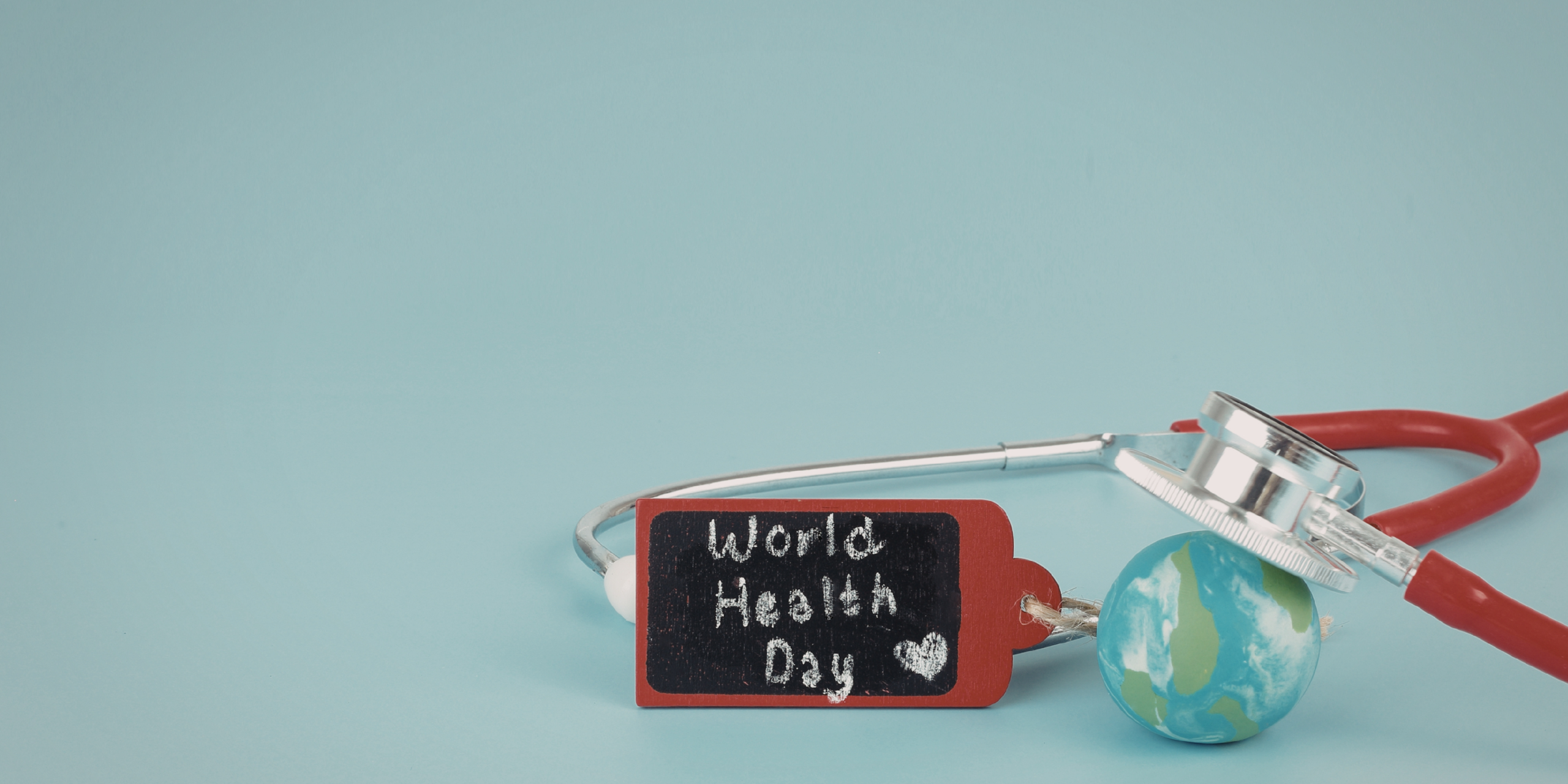
World Health Day is a timely reminder that health is the foundation for how you feel, think, and perform. If you are juggling deadlines, family commitments, and a busy lifestyle, it is easy to ignore the basics until something gives. Energy dips, brain fog, poor sleep, and creeping stress are common signals that your health needs attention.
On World Health Day, we step back and ask a simple question. What would move the needle most for your wellbeing and performance this year? Small, consistent actions compound. With the right plan, you can feel sharper, manage stress, and show up better at work and at home.
In this article, we unpack World Health Day meaning and history, why it matters for you and your workplace, and practical steps to turn awareness into action.
What is World Health Day?
World Health Day is observed every year on 7 April to mark the anniversary of the founding of the World Health Organisation. Each year focuses on a theme that highlights a major health priority and encourages action across communities, workplaces, and governments. You can learn more about this global event on the
World Health Organisation campaign page.
The purpose is simple. Make health a shared responsibility and inspire practical steps that improve daily life. For busy professionals, that means building routines that support energy, mood, focus, and long term prevention.
Why World Health Day Matters
Good health underpins performance. When you sleep well, eat well, move often, and manage stress, you regulate blood sugar and key hormones like cortisol and melatonin. This supports stable energy, sharper thinking, better mood, and faster recovery. It also lowers long term risks for conditions like cardiovascular disease and type 2 diabetes.
In workplaces, the stakes are high. Unchecked stress and poor recovery can drive fatigue, errors, absenteeism, and burnout. Claims related to mental health are projected to keep rising without proactive strategies. For a deeper view on the trend and what to do, explore our article on
workplace mental health claims set to double by 2030.
Evidence continues to show that healthy routines improve focus and output. Regular movement increases blood flow to the brain, lifts mood, and supports cognitive performance. If you want the science behind movement at work, read
how exercise enhances employee performance.
Sleep is also non negotiable. Quality sleep supports memory, decision making, and emotional regulation. Even one short night can impair attention and reaction time. See our guide on the
impact of sleep on performance for simple changes that help.
At a population level, World Health Day aligns with the goal of universal health coverage and prevention first. The World Health Organisation provides the backbone of guidance across nutrition, movement, vaccination, and access to care.
How to Turn World Health Day into Action
Use these steps to build momentum. Start small. Be consistent. Track what works for you.
1. Check Your Big Four
Focus on sleep, movement, nutrition, and stress. These pillars drive most of your day to day energy and mood. A quick self audit helps you choose the first lever to pull.
Tip: Rate each pillar out of ten. Pick the lowest score and set one action for the next two weeks. For example, lights out by 10pm four nights a week.
2. Move Every 90 Minutes
Short movement breaks reduce stiffness, lift alertness, and stabilise blood sugar. Even two minutes of walking or desk mobility can reset your focus. Try a walking call or a lap around the building after back to back meetings. For simple ideas, explore our
desk exercises at work.
3. Build A Performance Plate
Anchor meals around vegetables, lean protein, smart carbs like whole grains, and healthy fats. This supports stable energy and reduces afternoon slumps. Pack a balanced lunch or choose options like salmon and salad, burrito bowl with beans and brown rice, or a chicken stir fry with extra veg.
Tip: Keep a protein rich snack on hand to prevent the 3 pm scramble. Greek yoghurt with berries or a handful of nuts works well.
4. Protect Your Sleep Window
Aim for seven to nine hours in a consistent sleep window. Dim lights after dinner, set devices aside, and keep your room cool and dark. A short wind down routine helps shift your nervous system into rest mode.
5. Train Your Stress Response
Stress is not the enemy. Your response is the lever. Use slow nasal breathing, short movement breaks, and clear work boundaries to regulate your system. Practise a 4 6 breath for two minutes between meetings. For more tools, read our piece on
stress management techniques for high performers.
6. Book A Preventive Check
Prevention beats cure. Speak with your GP about blood pressure, cholesterol, blood glucose, and age appropriate screenings. Early action protects long term health and keeps you performing at your best.
7. Schedule Social Connection
Connection buffers stress and improves resilience. Book a weekly walk with a friend or a team coffee catch up. If loneliness has crept in, see our practical advice on
addressing loneliness in the workplace.
8. Set One Habit Cue
Attach a new habit to an existing routine. After making coffee, step outside for two minutes of daylight. After lunch, take a ten minute walk. Simple cues reduce friction and help habits stick.
What Can Employers Do?
World Health Day is a chance for leaders to model action, not just awareness. Here is how to turn intent into impact.
- Make movement normal: Encourage walking meetings and micro breaks. Provide a simple mobility routine staff can use between calls.
- Protect focus time: Set meeting free blocks so teams can work deeply and finish on time. Respect right to disconnect outside agreed hours. See our guide on the right to disconnect.
- Invest in sleep education: Offer sessions on sleep basics and recovery. Provide resources for shift and travel heavy roles.
- Fuel better choices: Stock workplaces with water, fruit, nuts, and balanced options. Nudge healthy defaults in catering.
- Train leaders in wellbeing skills: Equip managers to spot early signs of overload and have supportive conversations. Start with building psychological safety.
- Measure what matters: Track participation, energy, focus, and health risk indicators. Link outcomes to engagement and turnover. For a roadmap, see how to measure your employee wellbeing program.
- Choose evidence based programs: Partner with providers who align with your risk profile and culture. For impact and ROI, read our take on ROI in wellbeing programs.
Key Takeaways
- World Health Day highlights prevention and access, and it is your cue to act on the basics that shape daily energy and mood.
- Sleep, movement, nutrition, and stress are the highest leverage habits for performance at work and at home.
- Short movement breaks and balanced meals stabilise blood sugar and sharpen focus through the afternoon.
- Leaders can drive impact by protecting focus time, normalising recovery, and measuring outcomes that matter.
- Consistent small steps beat short term sprints. Pick one action this fortnight and build from there.
If you are ready to build healthy habits that actually last, we would love to help.
Get in touch with Better Being for tailored support.
READY TO IMPLEMENT A WELLBEING PROGRAM WITH TANGIBLE BENEFITS FOR EVERYONE INVOLVED?