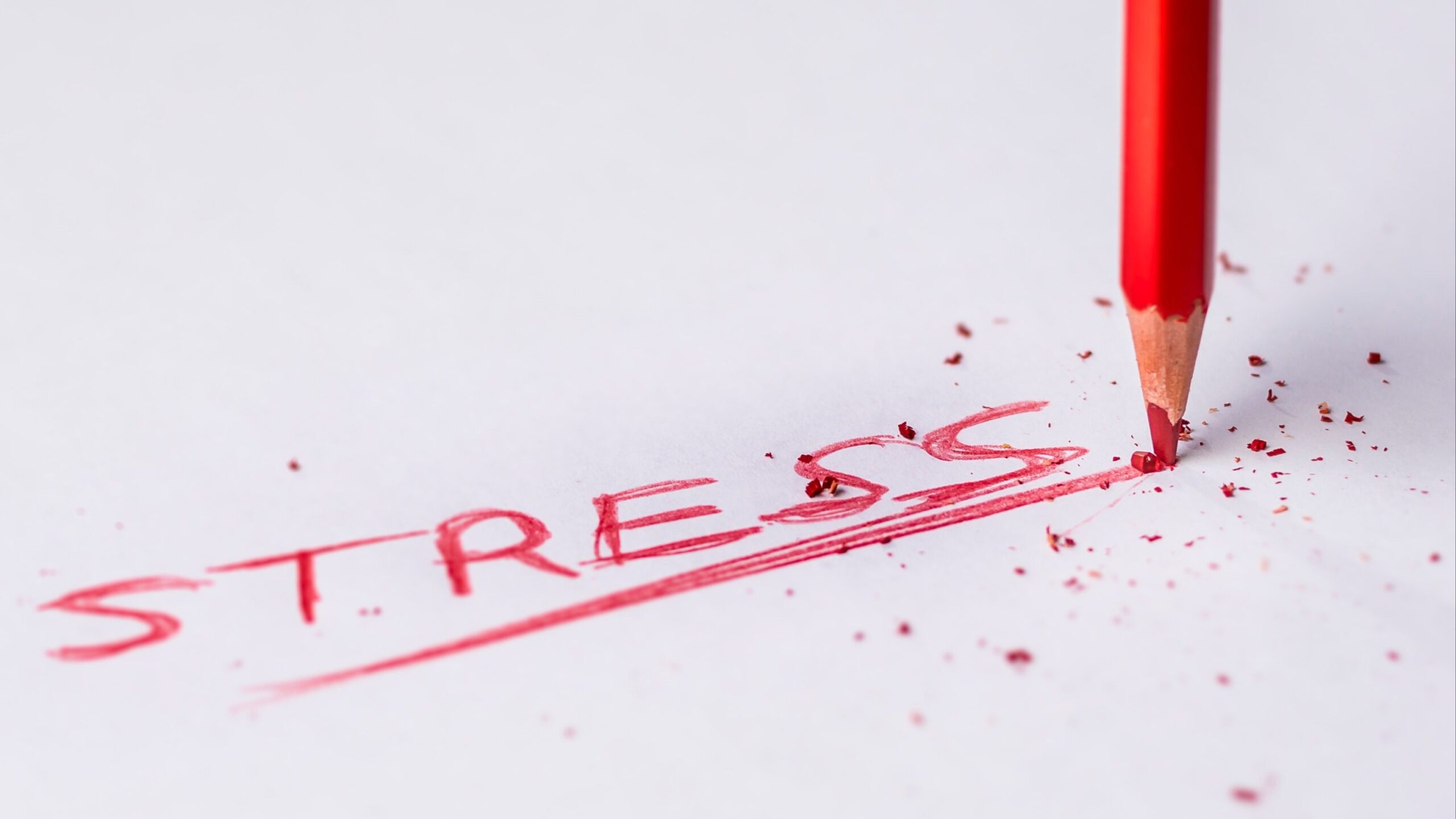
If you have noticed stress symptoms creeping into your day like tense shoulders, a jittery mind, or broken sleep, you are not alone. In fast paced Australian workplaces, ongoing pressure can quietly drain energy and focus. Left unchecked, these stress symptoms can ripple into your performance, relationships, and long term health.
The good news is that stress is understandable and manageable. With the right strategies, you can reduce the noise, think clearly, and feel more in control without needing a total life overhaul.
In this article, we will explain what stress symptoms look like, why they matter, and practical steps you can use today to settle your system and perform at your best.
What Are Stress Symptoms?
Stress is your body’s response to demand. Short bursts can be helpful, sharpening focus and reaction time. Problems start when stress is frequent or constant. Common stress symptoms show up in your body, mood, and behaviour.
Physical Signs
Headaches, tight neck and shoulders, jaw clenching, racing heart, shallow breathing, stomach upset, skin flare ups, frequent colds, disrupted sleep, fatigue.
Mental And Emotional Signs
Racing thoughts, worry, irritability, low mood, forgetfulness, difficulty concentrating, decision fatigue, feeling overwhelmed.
Behavioural Signs
Procrastination, increased caffeine or alcohol, skipping meals, late night scrolling, withdrawal from others, perfectionism, reduced exercise.
If this list feels familiar, you may also find our guide on
burnout warning signs helpful.
Why Stress Symptoms And Effects Matter
When stress persists, hormones like cortisol stay elevated. In the short term this can disturb sleep and appetite. Over time it can impact memory, mood regulation, immunity, and heart health. For your heart and circulation, chronic stress can raise blood pressure and influence inflammation. We explain this further in our piece on the
impact of stress on heart health.
Sleep also takes a hit. Stress activates the brain when it should be winding down, leading to light sleep and early waking. Poor sleep then raises next day stress reactivity. The Sleep Foundation summarises this two way loop
here.
In workplaces, ongoing stress symptoms are linked with reduced focus, errors, absenteeism, and increased mental health claims. Learn more about the trend in our article on why workplace mental health claims are set to double by 2030
here.
Common Barriers
- Lack of time: packed calendars and back to back meetings crowd out recovery.
- Conflicting advice: noise from social media makes it hard to know what works.
- All or nothing thinking: waiting for the perfect routine delays small wins.
- Unsupportive culture: after hours emails and unclear boundaries fuel overload.
The good news is you do not need a complete overhaul. Small, consistent changes reduce stress symptoms and build resilience.
How To Reduce Stress Symptoms And Improve Daily Performance
1. Breathe Low And Slow For Two Minutes
Why it helps: Slow diaphragmatic breathing nudges the nervous system toward calm and steadies heart rate. This can reduce muscle tension and racing thoughts.
Try this: Inhale through your nose for four, exhale for six, repeat for two minutes before meetings or after tough emails.
2. Move Every Ninety Minutes
Why it helps: Short movement breaks lower stress hormones, boost blood flow to the brain, and ease tight hips and shoulders.
Try this: Set a gentle timer. Stand, roll your shoulders, and take a brisk two minute walk. For desk friendly ideas, see our
desk exercises.
3. Anchor Your Day With A Consistent Wake Time
Why it helps: A stable wake time regulates your body clock and improves sleep pressure at night, which eases stress symptoms like fatigue and irritability.
Try this: Pick a wake time you can sustain seven days a week. Get morning light within an hour of waking.
4. Balance Your First Two Meals
Why it helps: Protein, fibre, and healthy fats steady blood sugar and reduce afternoon slumps and cravings that amplify stress.
Try this: Eggs or Greek yoghurt with fruit and nuts for breakfast. Lunch with lean protein, colourful veg, and whole grains. For more at work ideas, read our
nutrition tips at work.
5. Set Clear Digital Boundaries
Why it helps: Constant notifications keep your brain in alert mode. Creating off periods reduces mental load and improves recovery.
Try this: Use do not disturb in focus blocks. Delay send emails after hours. Agree on team norms for response times.
6. Schedule A Daily Wind Down
Why it helps: A simple pre bed routine tells your nervous system it is safe to switch off, improving sleep quality and next day clarity.
Try this: 20 minutes screen free, warm shower, light stretch, and write tomorrow’s top three tasks to offload worry.
7. Use Exercise To Process Stress
Why it helps: Moderate intensity activity lowers tension and improves mood regulators in the brain. It is one of the fastest ways to shift state.
Try this: 10 to 20 minutes of brisk walking, cycling, or resistance work on busy days. For a deeper guide, see how to
use exercise to combat stress.
8. Build Micro Recovery Between Demands
Why it helps: Short resets stop stress from stacking. You return to tasks with more focus and lower tension.
Try this: After each meeting, take 60 seconds to breathe, stand, sip water, and decide your next first step.
What Can Employers Do?
- Model healthy pace: Leaders start meetings at five past the hour to allow micro breaks.
- Make boundaries visible: Publish team norms for response times and meeting free focus blocks.
- Train stress skills: Offer practical workshops on breathing, mindset, and recovery. See our guide for high performers.
- Simplify access to support: Promote confidential coaching and clear referral pathways for mental health care.
- Measure what matters: Track energy, focus, and workload markers, not just output. For information, check out our Wellbeing Index.
If your environment involves frequent pressure, our articles on
performing under pressure and
leveraging stress to your advantage show how to channel stress without burning out.
Long Term Habits And Accountability
Choose one or two actions, tie them to existing routines, and track how you feel over two weeks. Use small cues like calendar prompts, a water bottle on your desk, or a brief walking meeting after lunch. If you are already feeling stretched, start with two minutes of breathing and a consistent wake time. Consistency beats intensity.
For tailored support, Better Being provides coaching and workplace programs that help teams build resilience and reduce stress symptoms through evidence based strategies. You can explore our services on our Wellbeing Programs page.
Key Takeaways
- Stress symptoms are common and manageable with small, consistent actions that calm the body and clear the mind.
- Chronic stress affects sleep, mood, immunity, and heart health, which can reduce performance at work and at home.
- Simple routines like breathing, movement breaks, and balanced meals ease daily tension and improve focus.
- Clear digital boundaries and a nightly wind down reduce alertness at the wrong times and support better sleep.
- Workplaces can reduce stress symptoms by modelling pace, setting norms, and training practical skills.
- Start small, track progress, and build support to make habits last for the long term.
If you want expert guidance to reduce stress symptoms and build resilience,
get in touch with Better Being.
READY TO IMPLEMENT A WELLBEING PROGRAM WITH TANGIBLE BENEFITS FOR EVERYONE INVOLVED?