
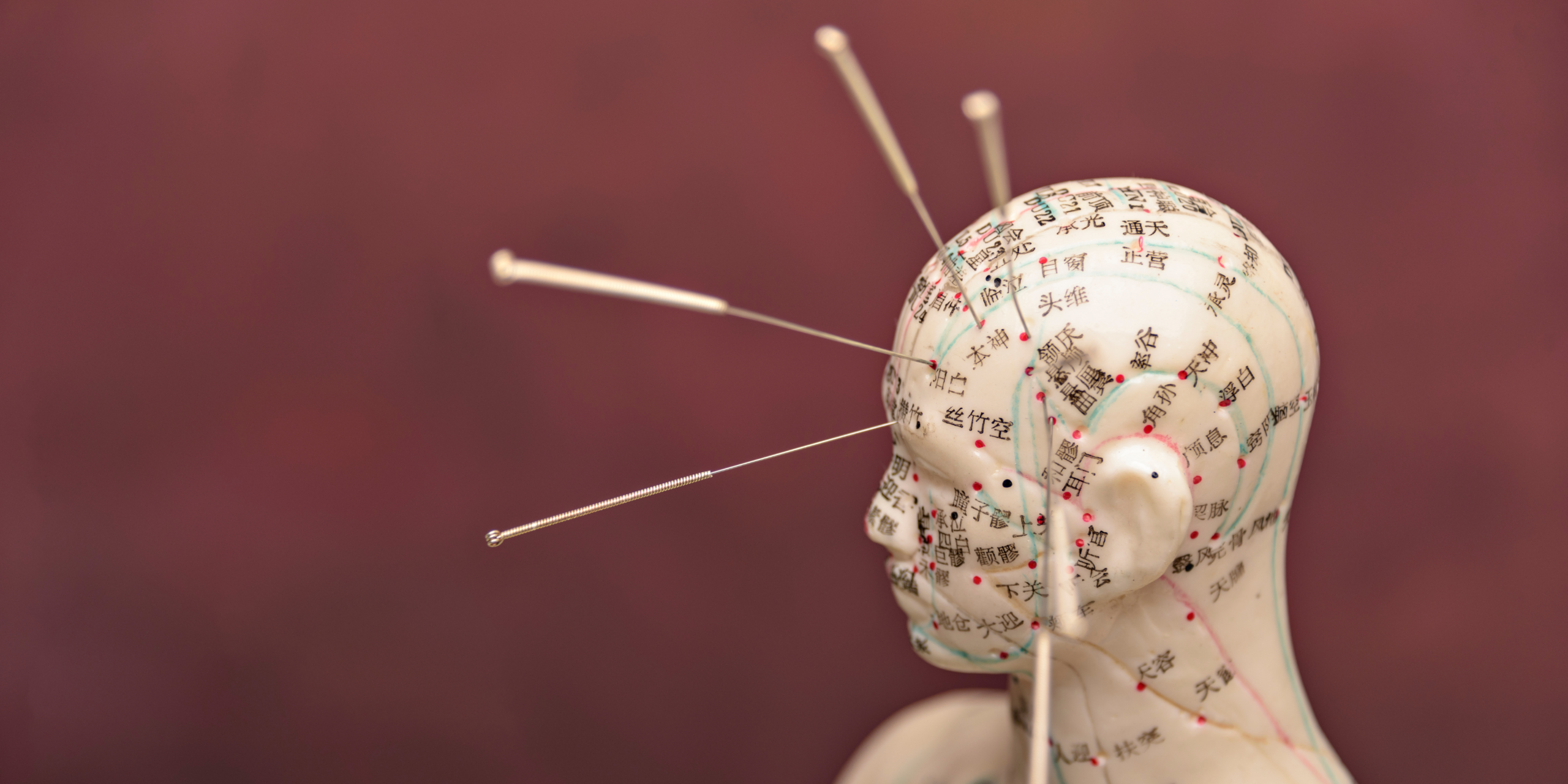
Men are looking for safe ways to boost energy, manage stress, ease pain and support fertility without relying only on medication. Acupuncture for men’s health is increasingly popular, but it can be hard to know what is evidence based and what is not. This guide explains how acupuncture may help men with pain, sleep, stress and reproductive health, what the science says, and how to combine it with healthy routines for professionals so you get real world results.
What is Acupuncture?
Acupuncture is a clinical therapy where very fine needles are inserted into specific points on the body to influence nerves, muscles and connective tissue. From a physiology lens, needling can trigger local tissue responses, release endorphins, modulate pain signalling in the spinal cord and brain, and shift autonomic balance which is the body’s stress control system. Modern practice often blends traditional point selection with current pain science.
In Australia, acupuncturists can be registered through the Australian Health Practitioner Regulation Agency, which helps set training and safety standards. Talk to your GP if you have a medical condition, and make sure your practitioner uses sterile single use needles.
Benefits of Acupuncture for Men’s Health Matters
Men carry a high burden of preventable disease and often delay care. Australian data shows heart disease remains a leading cause of death for men, with risk driven by blood pressure, cholesterol, smoking and inactivity. Stress and poor sleep also erode performance and recovery. Workplace strain and long hours are common factors for Australian men.
Evidence suggests acupuncture may help with several relevant areas:
- Pain and musculoskeletal issues. High quality reviews report benefit for chronic low back pain, osteoarthritis and tension type headaches, which can limit training and work capacity.
- Stress, anxiety and sleep. Needling can influence the autonomic nervous system, potentially improving relaxation and sleep quality.
- Headaches and migraines. Several guidelines include acupuncture as an option for prevention, which matters for men prone to tension headaches from long days at a screen.
- Male fertility and sexual health. Research is mixed, but small studies suggest potential benefits for sperm motility and pelvic blood flow. Lifestyle factors remain critical.
Acupuncture for men’s health is not a cure all. It can be a useful adjunct alongside exercise, nutrition, sleep and medical care. For a broader view on men’s health priorities and actions, start with this practical guide Five things men can do.
How to Decide if Acupuncture is Right For You
Match the method to your goal
Clarify your main outcome. Pain relief, better sleep, stress regulation or fertility support need different strategies. For pain, sessions may focus on local and segmental points to reduce central sensitisation. For sleep and stress, the aim is to shift the autonomic system toward parasympathetic recovery. This targeted approach makes acupuncture for men’s health more effective and easier to measure.
Use a short trial and track a few metrics
Commit to four to six sessions, then review. Track two or three markers such as pain scores, sleep efficiency, morning energy, headache days or training load tolerance. Objective checks cut through bias and guide next steps. If energy is a key issue, this article offers a quick lens on fatigue drivers you can modify now Why am I so tired.
Stack acupuncture with foundational habits
Acupuncture can lower muscle guarding and stress arousal, which opens a window for better movement and sleep. Lock in simple anchors on the same days as your sessions.
- Movement. Do a 20 minute zone two walk or cycle after treatment to improve circulation and mood. Gentle movement leverages endorphin release.
- Sleep routine. Dim lights, reduce screens and use a ten minute breathing drill before bed. Lowering pre sleep arousal improves melatonin signalling which supports deeper sleep. For structure, see our tips on rest and recovery during busy periods Rest and recover.
- Nutrition. Anchor protein and colourful plants at meals to support tissue repair and blood sugar stability. Stable glucose helps mental clarity at work.
Target stress with evidence based performance strategies
Use a simple daily practice to regulate stress between sessions. Three minutes of slow nasal breathing at four seconds in and six seconds out reduces sympathetic drive and helps heart rate variability. Pair this with a short body scan. For more strategies that translate to the office and the field, explore practical tools here Exercise and stress and here Leverage stress.
For pain add strength and mobility while the window is open
When pain eases after a session, use the window to rebuild capacity. Start with controlled tempo strength for hips, trunk and upper back, plus mobility for the areas you protect during pain. This retrains the nervous system to trust movement and reduces the chance of flare ups. If desk time feeds your symptoms, use these simple movements during the day Desk exercises at work.
Know when to see your GP
Red flags like chest pain, new neurological symptoms, severe unexplained weight loss, blood in stool or urine, or persistent night pain need medical review. For heart risk, learn the warning signs and get a check up if you have family history, high blood pressure, or are over 40 with risk factors. The Heart Foundation provides clear guidance Heart Foundation.
How Acupuncture May Support Specific Goals
Pain and recovery from training
By modulating pain pathways and reducing local muscle tension, acupuncture can make it easier to resume progressive loading. Combine with resistance training two to three days a week which is central to weight management and longevity. For a primer on why strength work matters, read our guide to resistance training and weight loss Resistance training guide.
Sleep quality and mental clarity at work
Acupuncture sessions late afternoon may help downshift before bed. Protect a consistent sleep window and a calm wind down to improve mental clarity at work the next day.
Stress regulation and mood
Needling can support a calmer baseline by influencing autonomic tone. Add short daily practices that reinforce it. A thirty second cold rinse, a brief walk after lunch and a phone free first hour on waking all reduce stress load. These evidence based performance strategies are small but powerful when done consistently.
Fertility and sexual health
For men trying to conceive, start with medical assessment, then address alcohol, weight, heat exposure to the groin area and sleep. Acupuncture for men’s health may complement these steps, but the basics move the needle most.
Safety and Smart use
Acupuncture is generally safe with trained practitioners. Common minor effects include temporary soreness or light bruising. People with bleeding disorders or on anticoagulants should discuss risks with a GP. Choose registered providers and inform them of all medications and conditions. For a balanced overview, visit Healthdirect. If you have chronic heart or metabolic conditions, co design care with your GP and a clinical team.
Key Takeaways
- Acupuncture for men’s health can help with pain, headaches, stress and sleep when used alongside lifestyle and medical care.
- Use a focused four to six session trial and track simple metrics to judge impact on your goals.
- Stack sessions with movement, nutrition and sleep habits to sustain benefits and improve mental clarity at work.
- For heart and fertility outcomes, lifestyle and medical checks remain the foundation and acupuncture can be a useful adjunct.
- Choose registered practitioners, watch for red flags and involve your GP when needed.
Looking for more helpful resources when it comes to health and wellbeing? Get in touch with Better Being to explore our range of workplace wellbeing programs.


