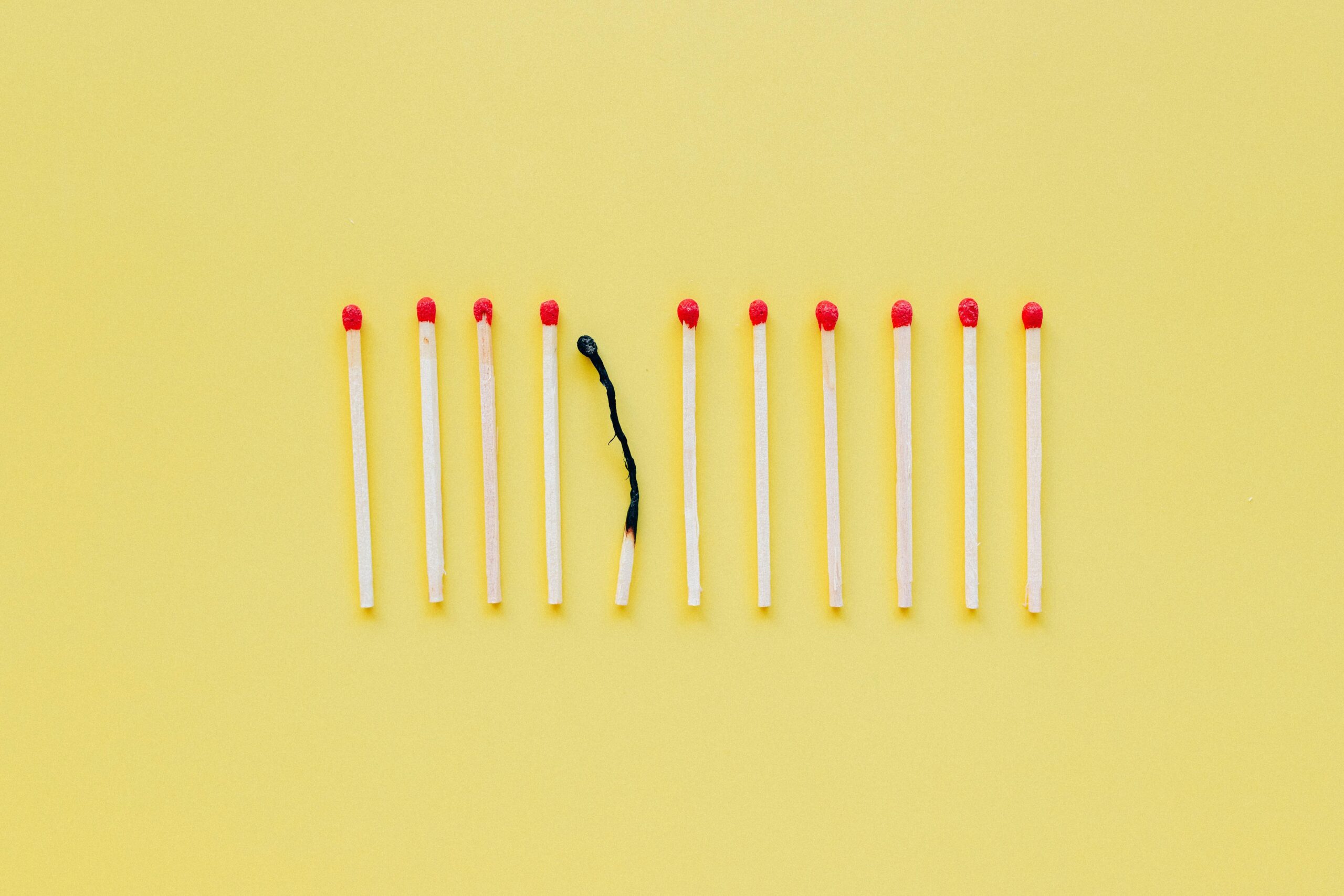
If you have been pushing through long days, running on coffee and sheer will, and feeling strangely numb about work you once cared about, you are not alone. Many busy professionals in Australia reach a tipping point where stress stops being a short term squeeze and becomes a constant state. Knowing what is the final stage of burnout helps you recognise the red flags early and take action before your health and career take a bigger hit.
In this article, we explain what the final stage of burnout looks like, why it matters for your body and mind, and exactly how to turn things around. You will find clear steps you can start today, plus guidance for leaders and HR on creating a healthier work environment.
What is Burnout?
Burnout is a work related state of energy depletion, mental distance or cynicism, and reduced professional efficacy. The World Health Organisation classifies burnout as an occupational phenomenon linked to chronic workplace stress that has not been managed.
Burnout tends to unfold in stages. Early on, you might feel pressure and longer hours. Over time, recovery windows shrink, sleep quality drops, and motivation fades. Eventually, the final stage of burnout can set in if nothing changes.
What is The Final Stage of Burnout?
The final stage of burnout is when symptoms become persistent and embedded in daily life. Fatigue does not lift even after weekends. You feel detached or cynical most days. Work feels joyless and heavy. Productivity falls despite working harder. You may notice headaches, gut issues, frequent colds, or aches in your neck and back. Decisions feel harder, memory slips, and small tasks feel overwhelming.
This stage often shows up as emotional blunting or irritability with colleagues and family, avoidance of tasks, and a constant sense of running behind. Sleep is disrupted, either trouble falling asleep or early waking. Many people rely on caffeine to start and alcohol to switch off, which can make the cycle worse.
If you are wondering what is the final stage of burnout in practical terms, think of it as being stuck in stress mode. Your system is no longer bouncing back between effort and recovery. Instead, stress chemistry is always on, recovery signals are quiet, and your body starts to ration energy by shutting down motivation, focus, and social engagement.
For a quick self check on signs, you can also read our guide
Are You Burnt Out.
Why it Matters
Chronic stress can disrupt sleep, gut function, immune balance, and cardiovascular health. Long term exposure is linked with higher blood pressure, insulin resistance, low mood, and anxiety. Burnout also reduces cognitive capacity which affects accuracy, decision quality, and safety at work. A clear summary of how sleep loss impacts performance is here in our article
The Impact Of Sleep On Employee Performance.
At a team level, the final stage of burnout leads to absenteeism, presenteeism, low engagement, and turnover. Mental health claims are increasing across Australia. For context on the trend and what organisations can do, see our article
Workplace Mental Health Claims Set To Double By 2030. Guidance from Safe Work Australia also outlines psychosocial hazards and employer duties which you can explore on the
Safe Work Australia website.
Most importantly, this stage is reversible. With the right supports, consistent recovery habits, and workload adjustments, energy and engagement can return.
How to Recover From The Final Stage of Burnout
Below is a practical plan you can tailor to your situation. If symptoms are severe, speak with your GP or a qualified mental health professional. If there is any risk of harm to yourself or others, seek urgent support through emergency services or Lifeline.
1. Create A Real Recovery Window
Recovery requires time away from demands. Discuss a short leave block or a workload reset with your leader. Even a few days without meetings and deliverables can lower stress chemistry and restore sleep pressure. Protect evenings by setting a shut down time and moving notifications off your phone overnight.
2. Rebuild Sleep As Your First Keystone
Target a consistent eight hour sleep opportunity. Keep a stable wake time, dim lights after dinner, and avoid screens for the last hour before bed. If you struggle to switch off, try a ten minute wind down with breathing through the nose for five seconds in and six seconds out. Our sleep guide above offers more detail.
3. Stabilise Energy With Simple Nutrition
Start with a balanced breakfast within two hours of waking that includes protein, fibre, and colourful plants. Aim for regular meals to prevent energy crashes. Keep caffeine before midday and limit alcohol to improve sleep depth. For workdays, prepare a quick lunch like wholegrain wrap with chicken, salad, and hummus.
4. Move Gently And Often
Short bouts beat heroic sessions when you are depleted. Start with ten to twenty minutes of easy movement most days, such as a brisk walk after lunch or a light strength circuit. Movement reduces stress hormones and improves mood and sleep quality.
5. Renegotiate Workload And Boundaries
Book a clear conversation with your leader about priorities and capacity. Reduce context switching by batching similar tasks. Block two focus windows daily and keep meetings out of those times. Agree on response time expectations with your team so you are not living in your inbox at night. Our article
Stress Management Techniques For High Performers can help frame this discussion.
6. Use Brief Psychological Skills Daily
Try a two minute reset every ninety minutes. Stand up, breathe slowly through your nose for one minute, then do one minute of gentle stretches. Add a short writing prompt at the end of the day to close open loops. If ruminating, use a five minute body scan to settle the nervous system.
7. Rebuild Positive Connection
Schedule two small social contacts each day. A five minute chat with a colleague, or a short walk with a friend. Connection buffers stress and supports motivation. Consider pairing a weekly walk with someone at work to combine movement and support.
8. Measure Signals And Track Progress
Use simple weekly check ins across sleep, mood, focus, and energy. For workplaces, Better Being’s
Wellbeing Index identifies early indicators of burnout at a team or organisational level, so leaders can act before issues escalate. Data guided support helps target the right interventions.
9. Plan A Graded Return To Full Load
As energy returns, scale responsibilities over two to six weeks. Keep one protected recovery evening midweek, maintain focus blocks, and review capacity with your leader weekly. Continue the simple nutrition and movement habits that restored your base.
10. Build A Relapse Prevention Routine
Choose three anchors you can keep even in busy weeks. For example, a set wake time, a ten minute lunchtime walk, and screens off one hour before bed. Add a monthly check against your early warning signs and adjust workload or supports quickly if they appear. Our article
Burnout Strategies expands on long term prevention.
What Can Employers do?
- Identify early signals: Use the Wellbeing Index to track energy, workload pressure, and recovery across teams, then target support where risk is rising.
- Clarify priorities: Reduce conflicting deadlines and set clear goals so staff can focus on the work that matters most.
- Protect recovery windows: Encourage genuine breaks, reasonable hours, and meeting free focus time. Model healthy digital boundaries.
- Upskill leaders: Train managers to have supportive capacity conversations and to spot the signs of burnout. See Leadership Burnout and How To Support Leaders Wellbeing.
- Make help easy: Promote EAP and coaching options. Normalise help seeking and protect confidentiality.
- Design for energy: Build in movement, daylight, and access to healthy food. For practical ideas, read Exercise And Employee Performance.
- Measure and iterate: Review data monthly, share progress with staff, and adjust programs. Our guide on How To Measure Your Employee Wellbeing Program outlines a simple approach.
Frequently Asked Questions
How Long Does Recovery Take?
Recovery varies. Many people notice improvements in two to four weeks once sleep, workload, and basic routines improve. Full recovery from the final stage of burnout can take several months. Go steady and keep the anchors that work.
Do I Need Time Off?
Sometimes yes. If symptoms are severe or unsafe, take leave and seek professional care. In other cases, a workload reset and strong recovery habits can help you improve while staying at work.
Is This Depression Or Anxiety?
Burnout can overlap with mood and anxiety symptoms. A GP or psychologist can assess and guide treatment. If you are unsure, seek professional support and use work adjustments to reduce load.
Key Takeaways
- What is the final stage of burnout is a common question and the answer is persistent exhaustion, cynicism, and reduced efficacy that do not lift with normal rest.
- This stage carries real health and performance risks but it is reversible with the right supports.
- Start with sleep, simple nutrition, gentle movement, and clear workload boundaries to restore your base.
- Brief daily resets and social connection help settle the nervous system and rebuild motivation.
- For workplaces, early measurement, leader capability, and recovery friendly design reduce risk and improve engagement.
- Use the Wellbeing Index to spot early signals and direct support where it is needed most.
If you are ready to build healthy routines that last, we would love to help.
Get in touch with Better Being for tailored support.
READY TO IMPLEMENT A WELLBEING PROGRAM WITH TANGIBLE BENEFITS FOR EVERYONE INVOLVED?