
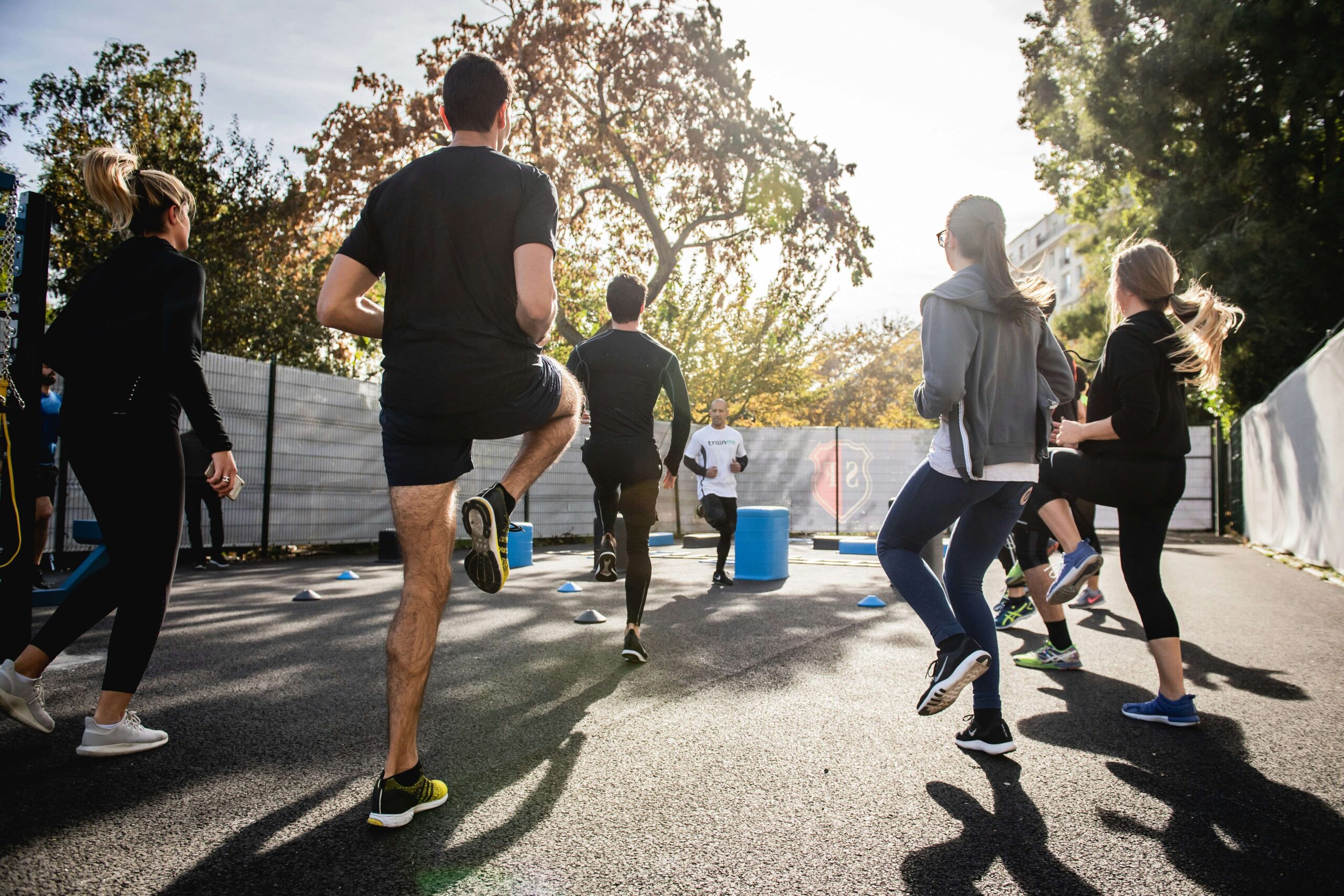
If you are wondering how to organise a company-wide fitness event for global employee health month, you are not just creating a fun calendar moment. You are creating an opportunity to improve energy, connection, morale, and healthy habits across your organisation.
Done well, a company wide fitness event can bring people together across offices, time zones, and work styles. Done poorly, it can feel tokenistic, hard to access, or only relevant to the already active. That is why thoughtful design matters.
For HR teams, wellbeing champions, and leaders, the goal is bigger than steps or sweat. It is about building a healthier culture in a way that feels inclusive, practical, and worth the investment. In this article, we will show you how to organise a company wide fitness event for Global Employee Health Month in a way that supports participation and delivers real value.
What is a company wide fitness event for Global Employee Health Month?
A company wide fitness event is a shared wellbeing initiative that encourages employees to move more, connect with others, and engage in healthy behaviours during a defined period. For Global Employee Health Month, that might include a walking challenge, virtual movement sessions, team based activities, educational workshops, or a mix of all three.
The key idea is accessibility. This is not about rewarding the fittest people in the business. It is about creating a positive experience that meets employees where they are, whether they love strength training, prefer a lunchtime walk, work remotely, travel often, or are just getting started.
A good event also fits within a broader wellbeing strategy. If you want a stronger foundation, Better Being has written about how to prioritise exercise in the workplace and why exercise supports employee performance and wellbeing.
Why it matters
Regular physical activity supports physical health, mental wellbeing, and work performance. According to the World Health Organisation, physical activity helps reduce the risk of major chronic diseases and supports mental health and cognitive function. That matters in every workplace, especially where long hours, stress, and sedentary work are common.
Movement also helps reduce the impact of prolonged sitting, which the Australian Institute of Health and Welfare links with poorer health outcomes when it becomes a regular pattern. For many employees, a fitness event can be the prompt that breaks up this cycle and helps them build more sustainable routines.
There is also a cultural benefit. Shared wellbeing experiences can improve social connection, which matters for engagement and belonging. If your business is trying to create a stronger wellbeing culture, Better Being explores this in boosting employee engagement with wellbeing programs and the top benefits of corporate wellbeing programs.
For leaders, this is not only a nice to have. Better health habits can support concentration, resilience, and recovery, all of which affect performance. A well designed event can also create momentum for longer term change rather than being a one off wellness activity.
How to organise a company wide fitness event for Global Employee Health Month
1. Set a clear goal
Start with the outcome you want. Is the focus on participation, team connection, physical activity, mental health, or awareness of your broader wellbeing offering? A clear goal shapes everything from format to communication.
For example, if your main goal is inclusion, a simple movement minutes challenge may work better than a competitive fun run. If your goal is team building across regions, choose activities people can join from anywhere.
2. Design for all fitness levels
The most common mistake is creating an event for people who already exercise regularly. Make it easy for beginners, people returning from injury, remote workers, and employees with different abilities to take part.
Offer multiple ways to join, such as walking, stretching, yoga, cycling, mobility sessions, or desk based movement. You can also include education on recovery, posture, and sustainable training habits. Better Being shares practical ideas in desk exercises at work.
3. Choose a simple format
Complex events create drop off. Keep the structure easy to understand and easy to join. Good options include a month long team challenge, a week of short daily sessions, or a points system where employees earn points for movement, sleep, hydration, or mindfulness habits.
If your workforce is global, make sure people can participate asynchronously. Recorded sessions, flexible tracking, and region based teams can help.
4. Build in local relevance
Your event should feel realistic in the context of work and life. In Australia, that might mean lunchtime walks, short movement breaks between meetings, or team sessions that work across hybrid schedules. If you have international teams, consider local seasons, public holidays, and cultural preferences.
Small examples make a big difference. A ten minute morning mobility session or a walk and talk meeting challenge is often more achievable than expecting everyone to do a high intensity workout.
5. Communicate the why, not just the activity
People are more likely to engage when they understand the benefit. Explain that the event is about energy, mood, connection, recovery, and healthy habits, not appearance or pressure. Keep the tone supportive and realistic.
You can also share short evidence based messages throughout the month. For example, movement can support stress management, mental clarity, and sleep. Better Being discusses related topics in stress management techniques for high performers and the impact of sleep on employee performance.
6. Make leadership visible
When leaders participate, employees notice. A short video from senior leaders, team captains, or leaders joining activities can help signal that wellbeing is genuinely valued. It also reduces the fear that taking part looks unproductive.
This aligns with Better Being’s advice on leadership’s role in employee wellbeing programs.
7. Use light accountability and smart incentives
You do not need big prizes to create momentum. Team based goals, badges, recognition, charity donations, or simple shout outs can work well. Keep competition friendly and optional. The aim is encouragement, not pressure.
It also helps to track a small number of useful metrics such as registrations, active participation, completion rates, and feedback scores. If you want to connect the event to a broader wellbeing strategy, see how to measure your employee wellbeing program.
8. Plan what happens after the event
The event should be a launch pad, not the finish line. At the end of the month, share results, celebrate wins, and give employees a next step. That could be ongoing movement sessions, wellbeing coaching, a workplace challenge series, or manager led habits that support healthy routines.
This is where long term value is created. A one month event can spark interest, but sustained support is what helps habits stick.
What can employers do?
- Make participation easy: Offer virtual and in person options so remote, hybrid, and office based employees can all join.
- Keep it inclusive: Provide alternatives for different fitness levels, abilities, and cultural preferences.
- Protect time: Encourage teams to participate during work hours where possible, such as lunch breaks or short movement windows.
- Support leaders to model the behaviour: Ask managers and executives to join activities and speak positively about wellbeing.
- Measure outcomes: Track participation, feedback, and engagement signals to understand what worked and where to improve.
- Connect it to strategy: Position the event as part of a broader wellbeing plan rather than a stand alone campaign.
- Consider ROI: Strong wellbeing initiatives can support engagement, retention, absenteeism, and culture, which Better Being explores in the ROI of employee wellbeing programs.
- Bring in expert support: Better Being can help design workplace wellbeing experiences that are evidence informed, practical, and aligned to your organisation’s goals.
Key takeaways
- A successful company wide fitness event is about inclusion, not just exercise. Make it easy for people of different abilities, locations, and confidence levels to participate.
- Clear goals improve results. Decide whether your focus is participation, connection, awareness, behaviour change, or all four.
- Simple formats work best. Short sessions, flexible challenges, and realistic activities usually outperform complex programs.
- Leadership involvement matters. When leaders join in, wellbeing feels more credible and culturally supported.
- The best events lead somewhere. Use Global Employee Health Month as a starting point for longer term wellbeing habits and programs.
If you want expert support to design a workplace wellbeing initiative that people actually engage with, get in touch with Better Being.


